Goal
Boil water rapidly and efficiently using acoustic resonance.
Problem
Inefficient water heating that wastes energy by boiling more water than needed.
Concept Summary
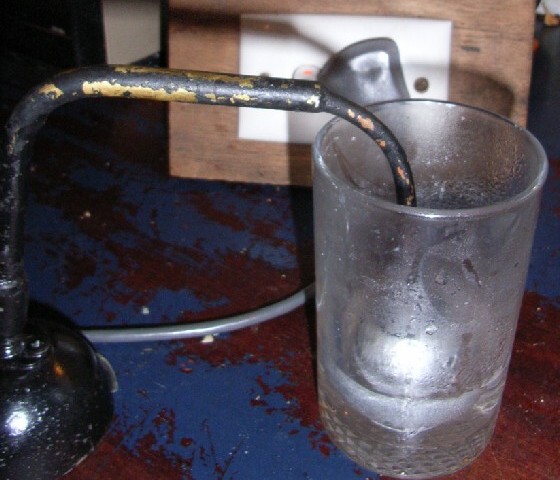
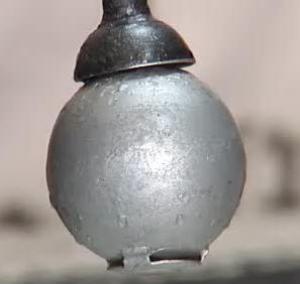
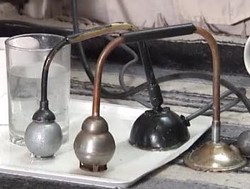
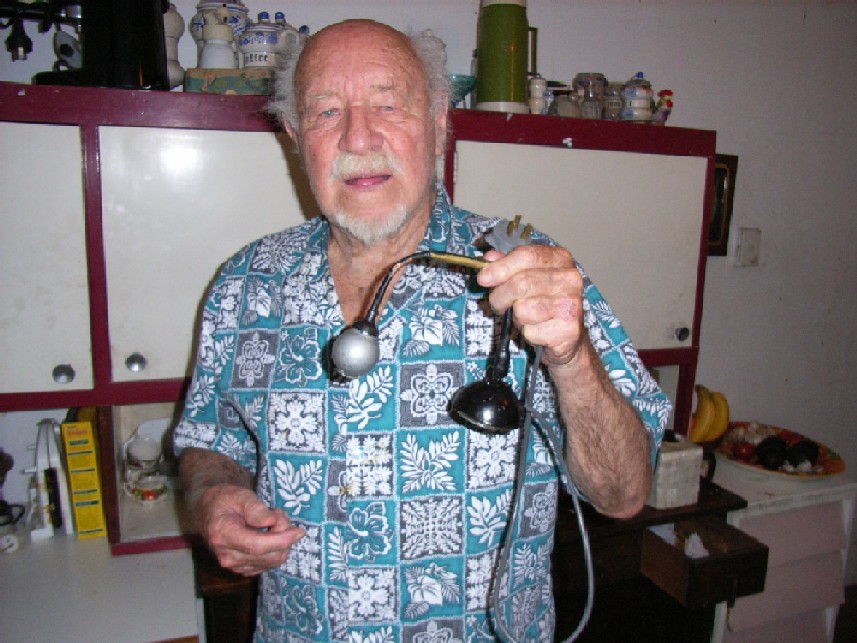
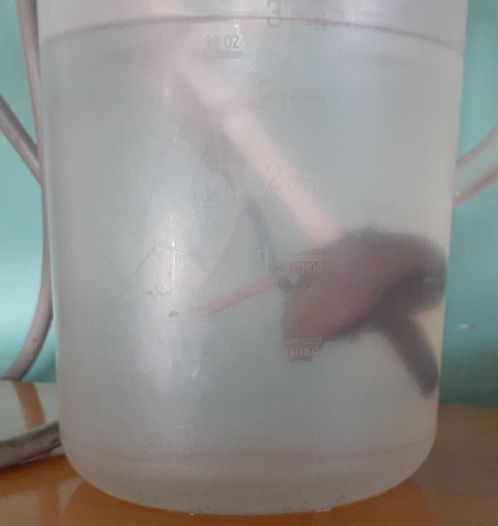
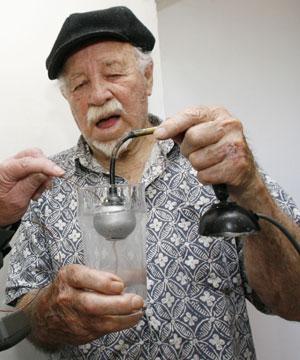
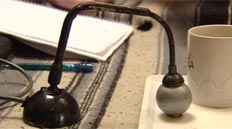
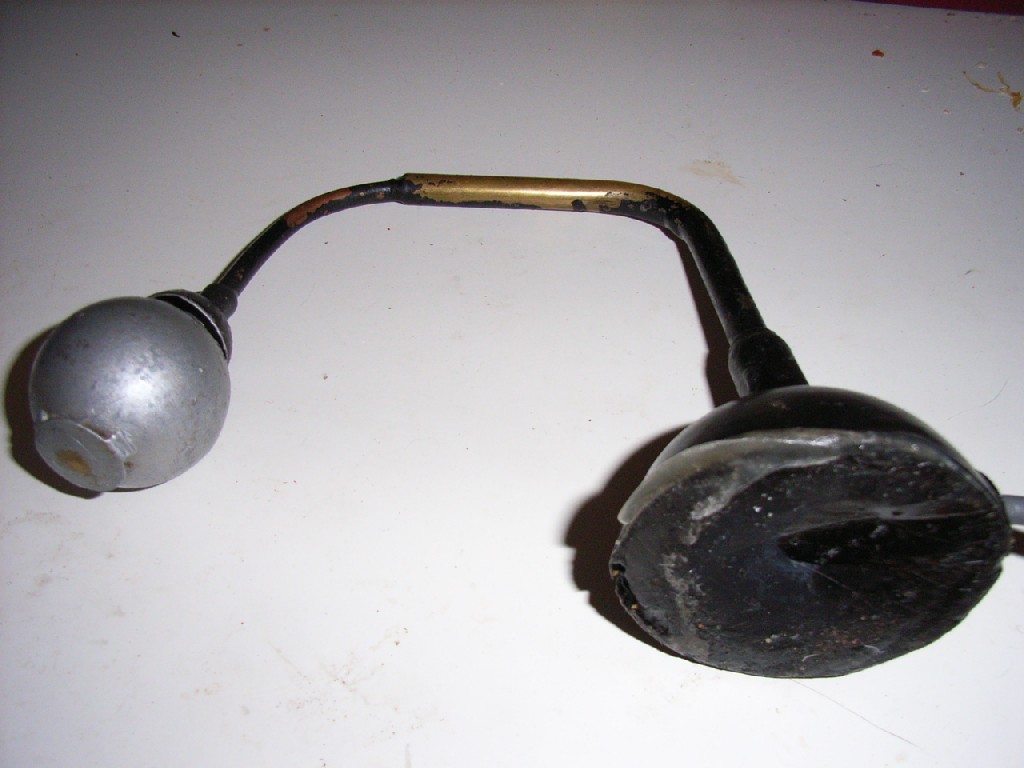
A compact device resembling a bent desk lamp with a metallic ball at the end is plugged into mains power. When the ball is lowered into water, it allegedly uses a resonant sound frequency to transfer energy into the water, causing it to boil within seconds, even for very small volumes.
Detailed Description
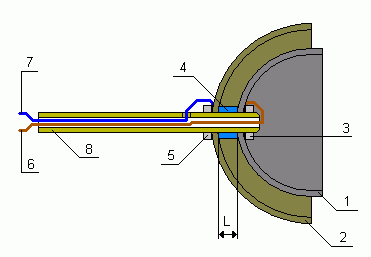
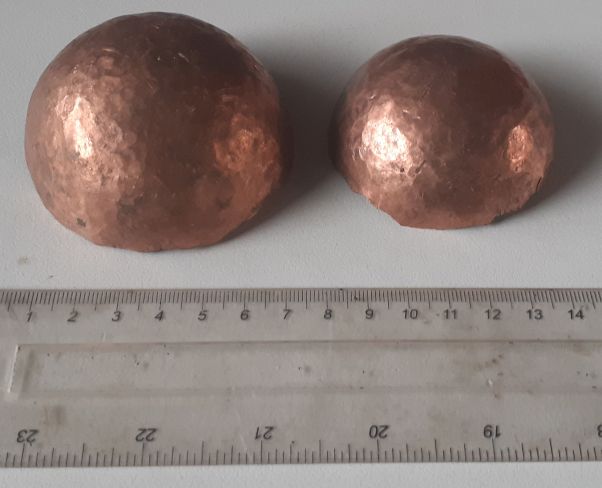
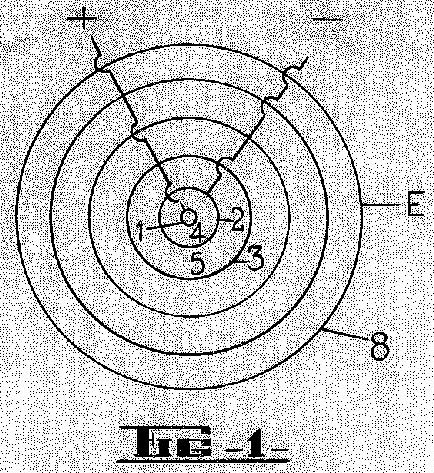
The device consists of a power-corded housing (shaped like a desk lamp) ending in a metal ball. The inventor claims the ball contains a component tuned to a specific acoustic frequency. When the ball is immersed, the device draws electrical power from the mains and converts it into mechanical vibrations that resonate with the water, heating it rapidly to boiling. The exact internal mechanism is not disclosed; experts who examined it were unable to determine how the energy transfer occurs. The inventor reports using the boiler for personal hot drinks for decades and estimates a manufacturing cost of about $9 per unit.
Principles
- Acoustic resonance
- Mechanical vibration energy transfer
- Ultrasonic cavitation (speculative)
- Possible Helmholtz resonator effect
Scientific Domains
Materials
- Metal (ball component)
- Plastic/metal housing
- Electrical wiring
- Water
Mechanisms of Action
- Resonant acoustic heating of water
- Conversion of electrical energy to mechanical vibration
- Potential ultrasonic-induced cavitation
Energy Sources
Applications
- Domestic hot-drink preparation
- Small-scale steam generation
- Portable water heating
Claimed Performance
Boils water within seconds, even as little as a tablespoonful; device cost estimated at $9 each.
Experimental Evidence
Anecdotal demonstrations observed by a journalist and a retired university engineer; no quantitative measurements or independent testing reported.
Replication Status
No independent replication documented.
Limitations
- Mechanism not scientifically explained
- No quantitative performance data
- Potential high power consumption
- Safety concerns with exposed electrical components
Red Flags
- Lack of peer-reviewed data
- Expert skepticism about energy transfer via sound
- No independent replication or certification