Goal
Reduce the time required for orthodontic tooth movement and improve patient comfort.
Problem
Conventional braces rely solely on mechanical force, leading to long treatment times (often years) and considerable discomfort.
Concept Summary
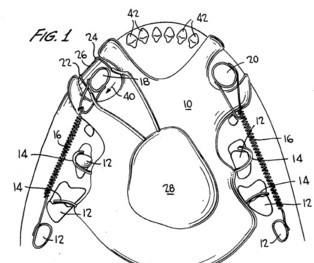
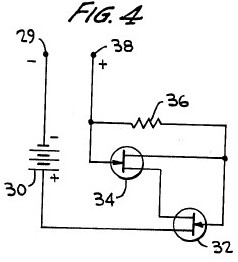
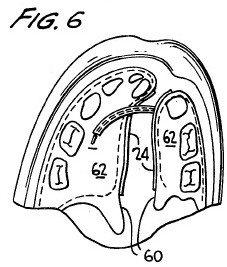
A small, battery-powered circuit delivers a constant low-level electric current (15-20 uA at ~1.5 V) to electrodes placed on the gingival tissue adjacent to a tooth. The electric field stimulates bone remodeling-enhancing resorption on the pressure side and accretion on the opposite side-thereby accelerating tooth movement when used together with standard orthodontic appliances.
Detailed Description
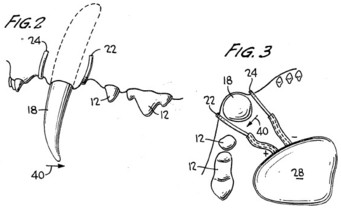
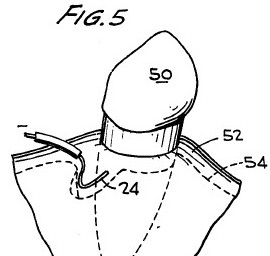
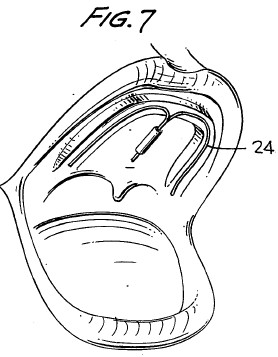
The device consists of a miniature power pack (size of two nickels) encased in epoxy and dental acrylic plastic. Inside are a transistor, resistors, and one or more miniature batteries that provide a constant current of 15-20 uA. One electrode (anode) is positioned on the gum side toward which the tooth should move; a cathode is placed on the opposite side. The current creates a directional stimulus that promotes bone resorption ahead of the moving tooth and bone formation behind it, amplifying the effect of the mechanical forces from braces. Initial animal studies on cats showed approximately a two-fold increase in tooth movement speed. A 3-year clinical study with 60 female patients was planned to evaluate safety and efficacy in humans. The device is intended to be worn primarily at night (8-10 hours).
Principles
- Electrical stimulation of bone remodeling
- Constant current delivery
- Directional electrode placement
Scientific Domains
Materials
- Epoxy
- Dental acrylic plastic
- Transistor
- Resistors
- Miniature batteries
Mechanisms of Action
- Electric fields enhance osteoclast activity on the anodic side, increasing bone resorption
- Electric fields promote osteoblast activity on the cathodic side, increasing bone formation
- Accelerated cellular turnover reduces the time needed for tooth repositioning
Energy Sources
Applications
- Accelerated orthodontic treatment
- Alveolar bone defect repair
- Cleft palate correction
- Maintenance of alveolar ridge in edentulous patients
Claimed Performance
Potentially halves orthodontic treatment time; animal tests showed tooth movement twice as fast compared with braces alone.
Experimental Evidence
Successful demonstration on cats (five female cats) with accelerated tooth movement; early human clinical study (60 patients) planned but not yet reported.
Replication Status
Only animal experiments reported; human trials ongoing, no independent replication documented.
Limitations
- Device bulkiness (size of two nickels) may affect comfort
- Current parameters not fully optimized for humans
- Limited human data; efficacy and safety still under investigation
Red Flags
- Lack of peer-reviewed human clinical results
- Reliance on animal data for performance claims