Goal
Store renewable energy by converting water into hydrogen and oxygen using radio-frequency energy.
Problem
High cost and limited capacity of batteries for large-scale renewable energy storage.
Concept Summary
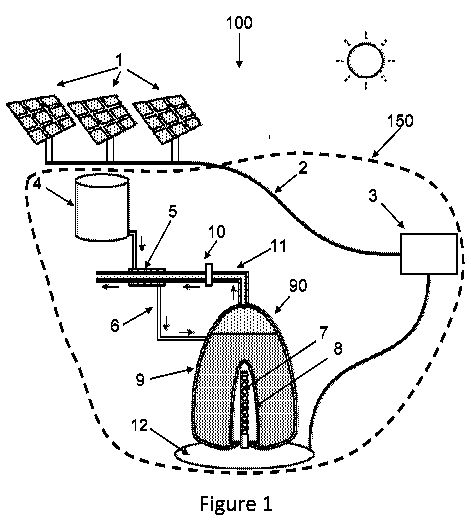
The system uses a 10-30 MHz radio-frequency field to resonantly vibrate water molecules, causing dissociation into hydrogen and oxygen. The hydrogen is collected and stored for later conversion to electricity or fuel.
Detailed Description
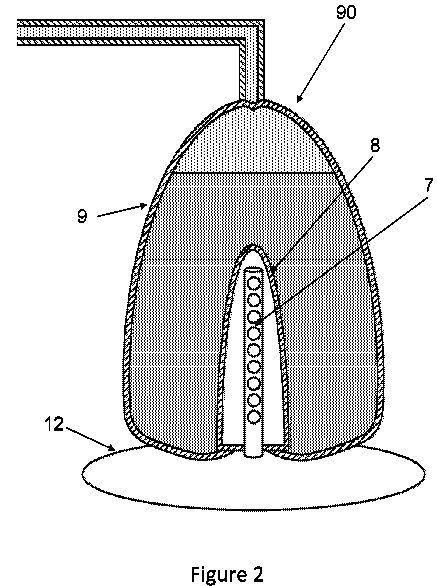
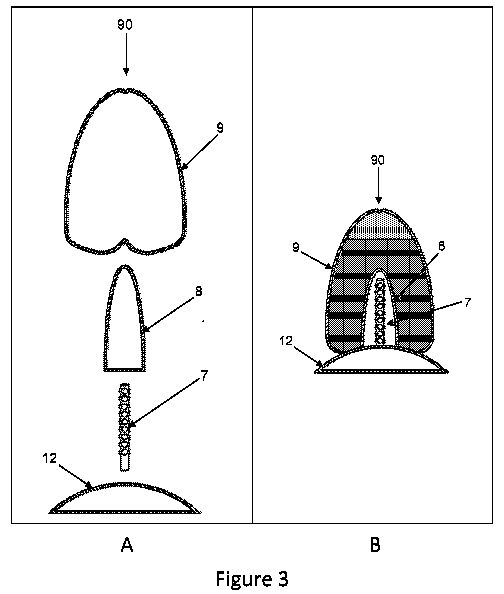
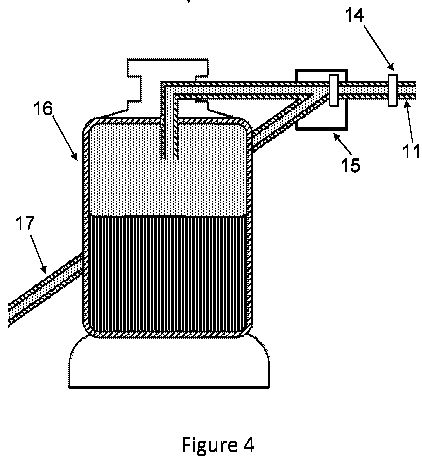
Fresh or salt water is atomized into droplets and exposed to a resonant RF field (~=10-30 MHz). The RF energy adds vibrational energy to the H_2O bond, breaking it into H_2 and O_2 gases. The gases are separated, filtered, and stored in containers. When energy is needed, the stored hydrogen can be fed to fuel cells or combustors to generate electricity. The process is claimed to achieve ~89 % conversion efficiency, surpassing conventional electrolysis (~60 %).
Principles
- Resonant radio-frequency electromagnetic energy induces molecular vibration
- Vibrational energy exceeds bond dissociation energy of water
- Separation of hydrogen and oxygen gases
Scientific Domains
Materials
- Water
- Salt (NaCl)
- Electrolyte solution
- Hydrogen gas
- Oxygen gas
Mechanisms of Action
- RF field couples to water dipole, increasing vibrational amplitude
- Molecular bond breaking yields H_2 and O_2
- Gas collection and storage
Energy Sources
Applications
- Large-scale renewable energy storage
- Hydrogen fuel production
- Fuel cell power generation
Claimed Performance
89 % conversion efficiency (~=29 % higher than conventional electrolysis); 60 % efficiency typical for electrolysis.
Experimental Evidence
Company studies report 89 % efficiency for RF-based water dissociation versus ~60 % for standard electrolysis.
Replication Status
Prototype demonstrated; patents filed in the US and Europe; no independent third-party replication reported.
Limitations
- System does not work with natural gas as feedstock
- Salt by-product handling required for large-scale deployment