Goal
To demonstrate that magnetic energy flows and can be harnessed for therapeutic effects on living systems.
Problem
The scientific community's reluctance to accept magnetic flux as a flowing form of energy and the under-utilisation of magnetic phenomena for health applications.
Concept Summary
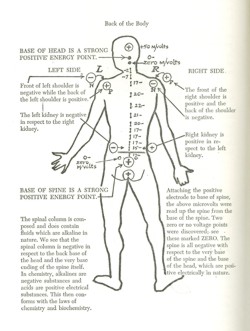
The authors argue that magnetism constitutes a form of energy that can flow between magnetic poles, similar to electric current. They propose that each pole supplies a distinct magnetic energy (negative and positive) that can interact with biological tissue, producing therapeutic effects such as pain relief, anti-cancer activity, and anti-aging benefits. The concept relies on magnetic domains, spin, and the use of a "keeper" to preserve magnetic flux.
Principles
- Magnetic flux flow
- Magnetic domains (negative and positive)
- Spin-related magnetic energy
- Use of magnetic keepers to prevent flux loss
Scientific Domains
Materials
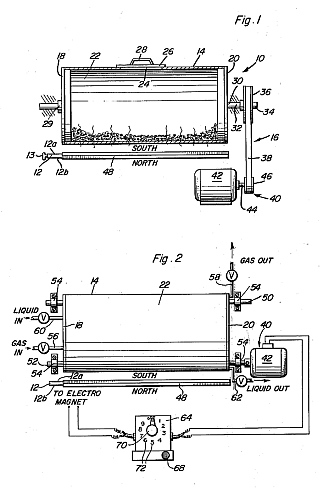
- Permanent magnets (e.g., ferrite, neodymium)
- Iron or ferromagnetic components
- Magnetic keeper (soft iron plate)
Mechanisms of Action
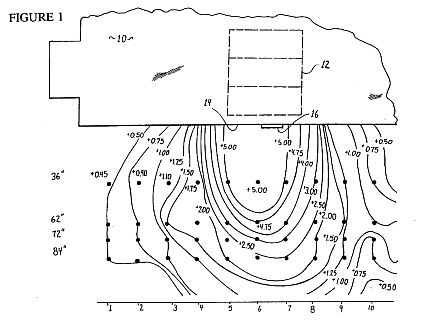
- Interaction of magnetic fields with biological tissues
- Spin alignment of electrons influencing cellular processes
- Modulation of magnetic flux across body tissues
Energy Sources
Applications
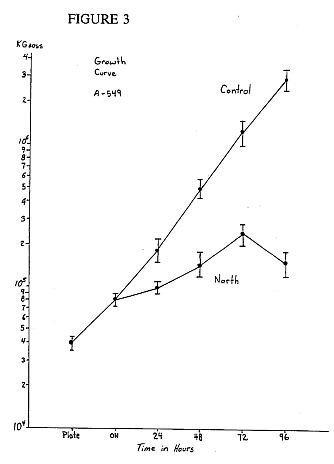
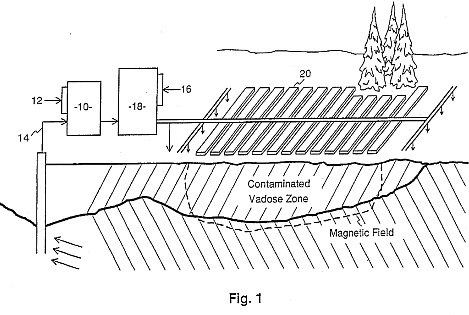
- Medical therapy for arthritis, cancer, glaucoma, sexual problems, aging
- General health and wellness
Claimed Performance
The diagnostic system works 100 % of the time on animal and human bodies, according to the authors.
Experimental Evidence
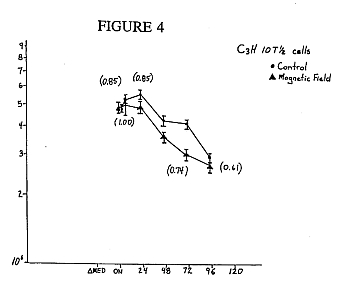
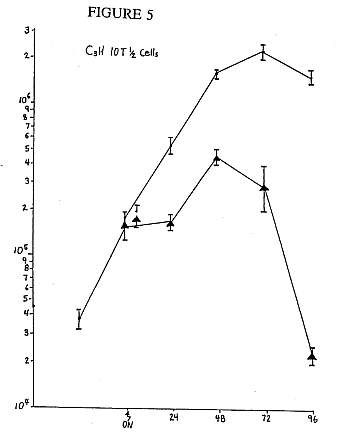
The authors state that their biomagnetic experiments have been successfully duplicated by members of the orthodox scientific community, but no quantitative data or peer-reviewed studies are provided.
Replication Status
Successfully duplicated by members of the orthodox scientific community (as claimed).
Limitations
- Lack of quantitative experimental data
- No peer-reviewed publications cited
- Mechanistic explanations are vague and not experimentally verified
Red Flags
- Extraordinary efficacy claims without supporting data
- Reliance on anecdotal duplication rather than published studies
- Potential classification as pseudoscience due to lack of rigorous testing