Goal
Generate usable electrical power by extracting energy from the vacuum and by low-energy nuclear fusion, thereby reducing dependence on conventional fuels.
Problem
Global energy shortage, reliance on fossil fuels, and the need for compact, self-sustaining power sources.
Concept Summary
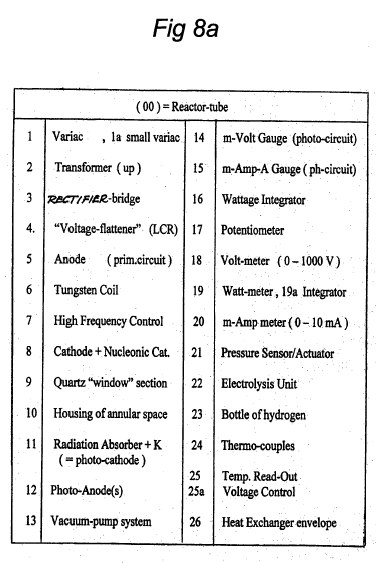
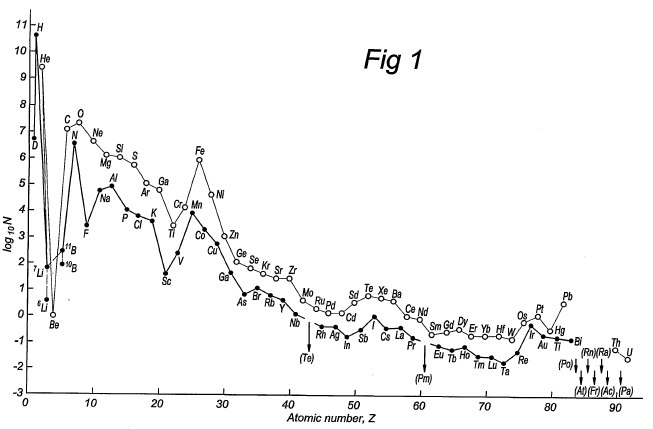
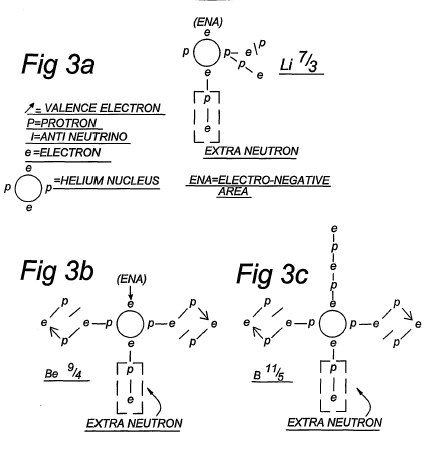
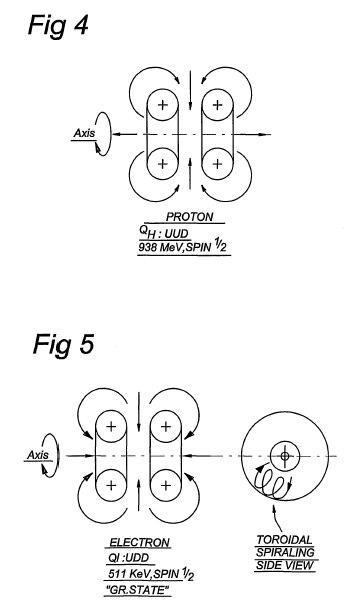
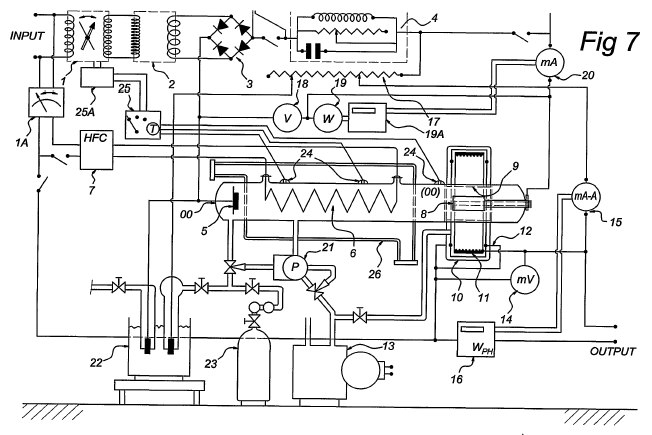
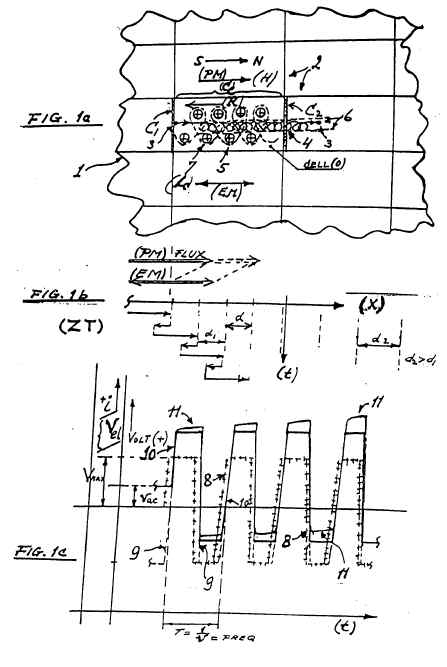
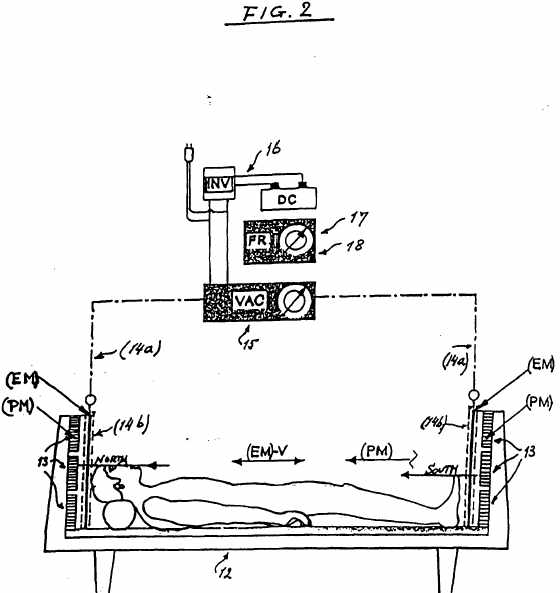
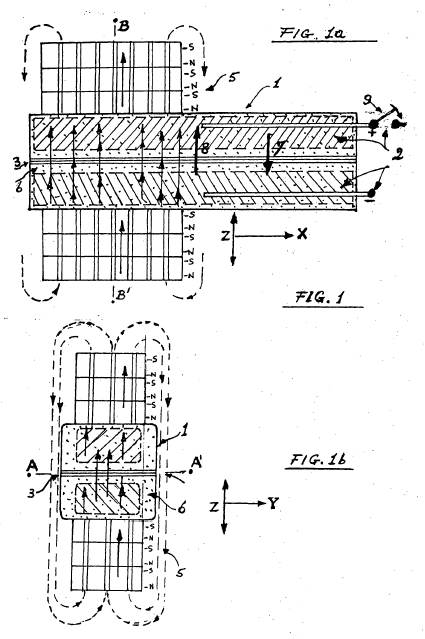
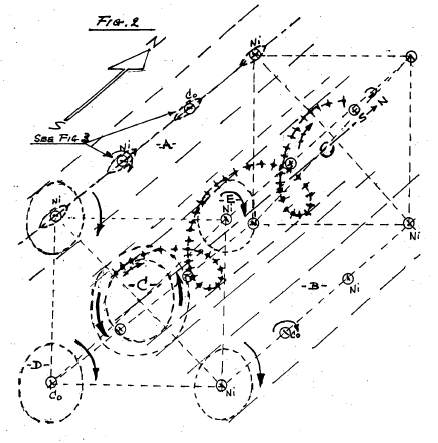
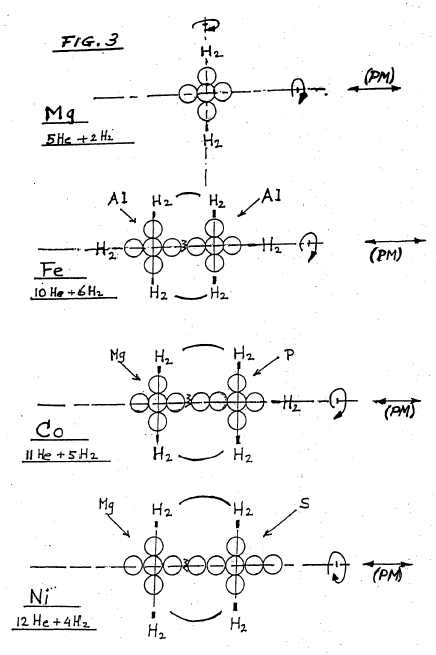
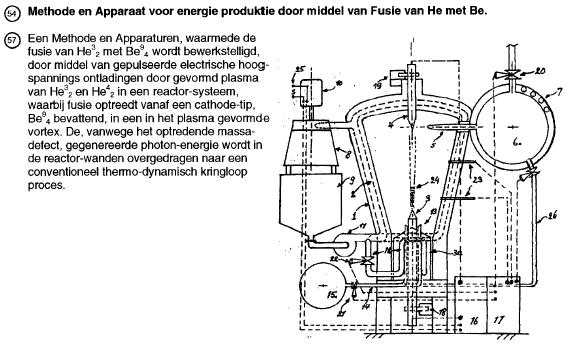
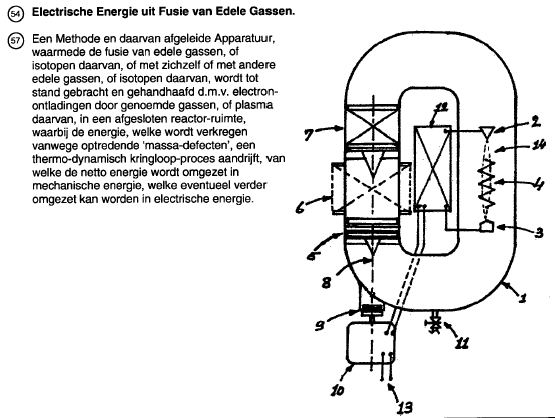
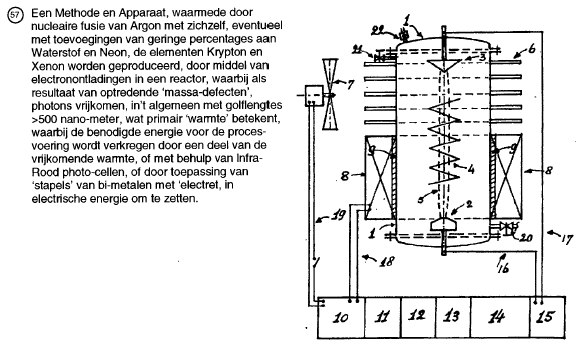
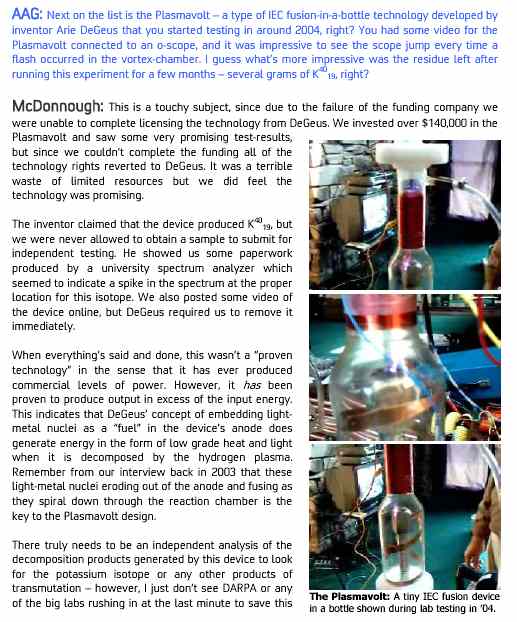
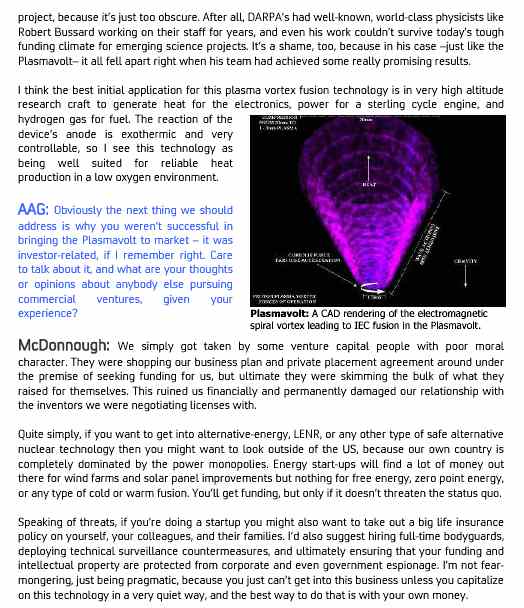
DeGeus claimed two complementary technologies: (1) a plasma-vortex (Plasmavolt) IEC fusion generator that fuses light-metal nuclei (Li, Be, B) using a rotating plasma vortex, producing net electrical power and potassium-40 as a by-product; and (2) a thin wafer-like "self-powering battery" that creates a permanent DC current by imposing an electromagnetic symmetry break in a material, thereby harvesting zero-point vacuum energy.
Principles
- Zero-point vacuum energy extraction
- Plasma vortex confinement for low-energy fusion
- Broken electromagnetic symmetry in solid-state materials
Scientific Domains
Materials
- Lithium
- Beryllium
- Boron
- Tourmaline (infrared crystal)
- Undisclosed wafer substrate
Mechanisms of Action
- Conversion of vacuum fluctuations into usable EM power via asymmetric electron currents
- Fusion of light nuclei in a rotating plasma vortex, releasing kinetic energy as electricity
Energy Sources
Applications
- Electric vehicles with self-charging battery packs
- Residential power generation
- Portable power sources
Claimed Performance
80 W electrical output from 50 W input (Plasmavolt) and continuous DC power from wafer; 6 g of pure K-40 produced after months of operation.
Experimental Evidence
Tester Michael McDonnough reported 80 W output from 50 W input and 6 g K-40 after several months; anecdotal description of wafer producing steady amperage.
Replication Status
No independent replication documented in the article.
Limitations
- Lack of peer-reviewed data
- Claims based on anecdotal testimony
- Unclear material composition and fabrication details
Red Flags
- Overunity claims without independent verification
- Potential for fraud or misrepresentation
- Absence of detailed experimental methodology