Goal
Electrochemically deposit metallic (gold/silver) fillings in dental cavities and apply biological coatings to implants.
Problem
Inaccurate wax impressions cause poor metal inlays; need for precise, rapid cavity filling and improved root-canal/implant surface treatments.
Concept Summary
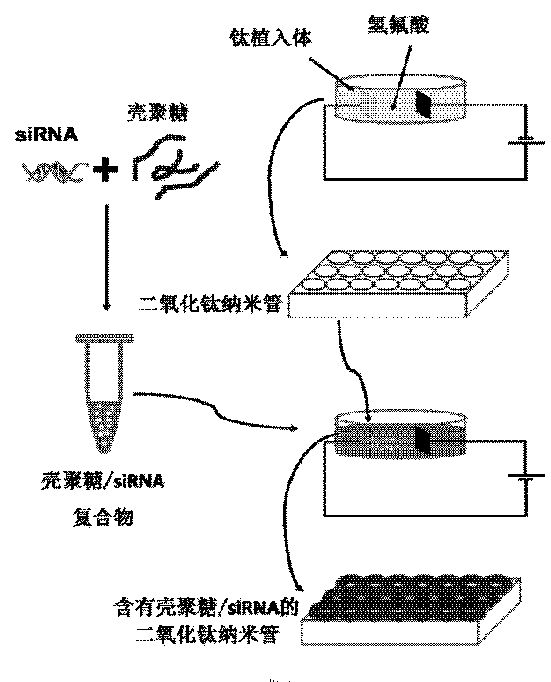
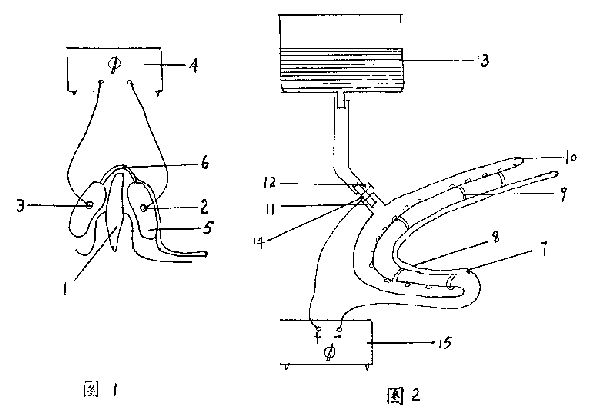
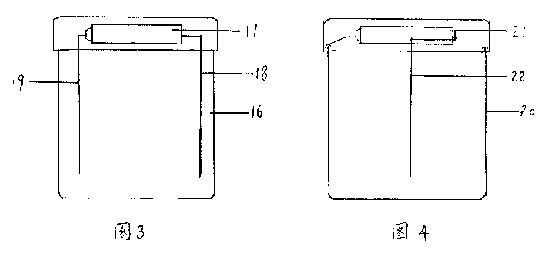
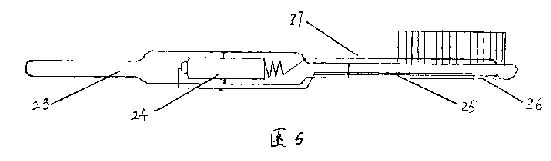
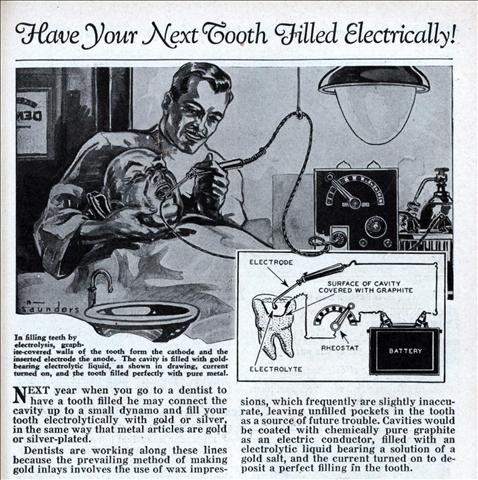
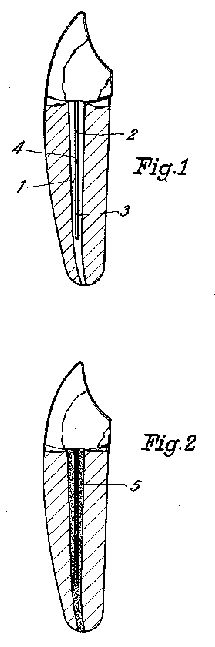
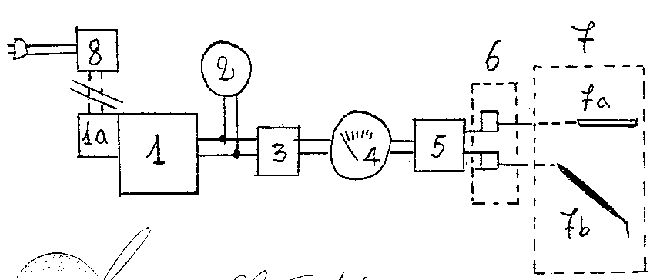
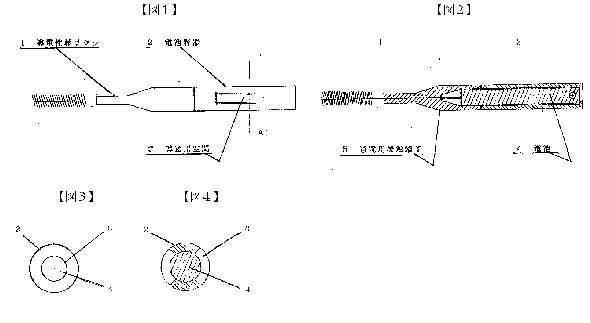
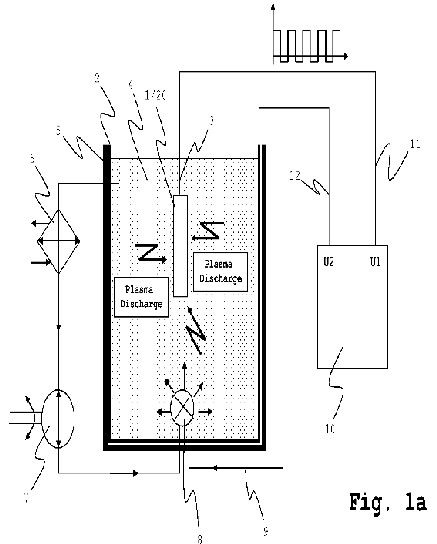
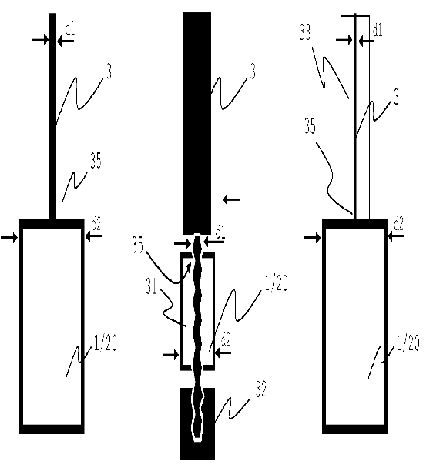
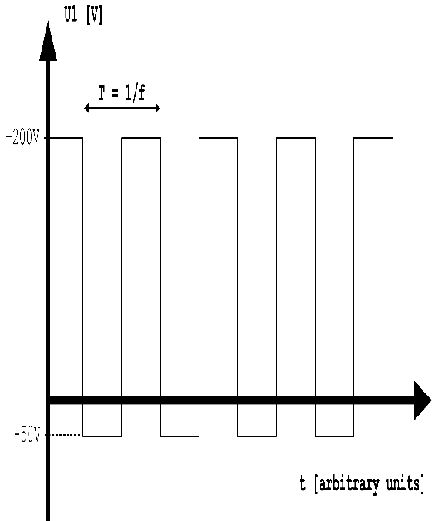
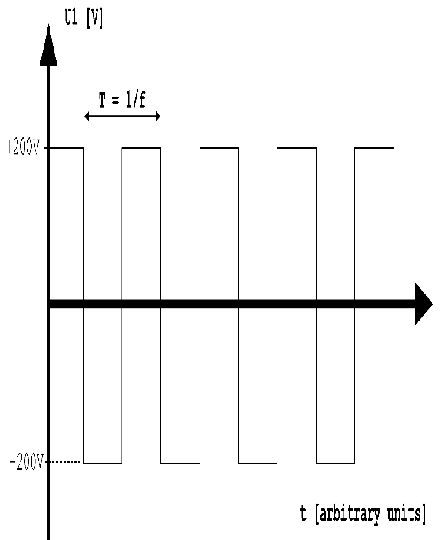
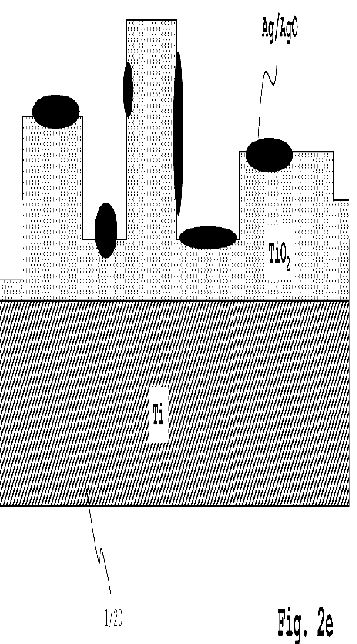
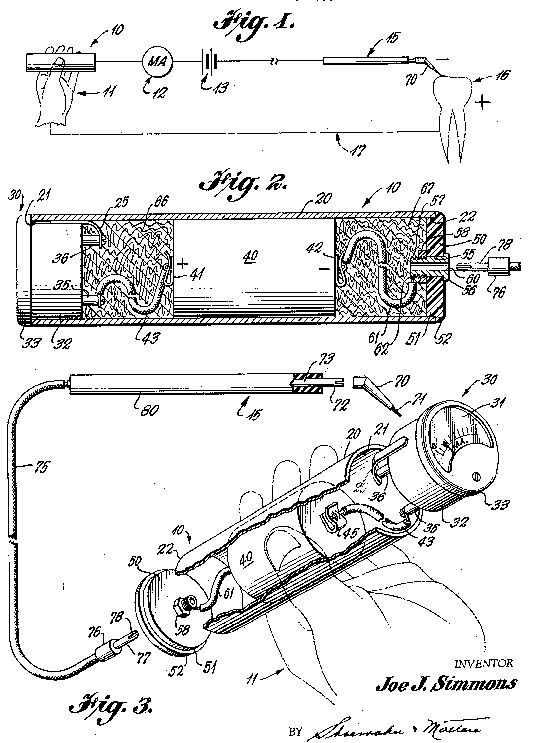
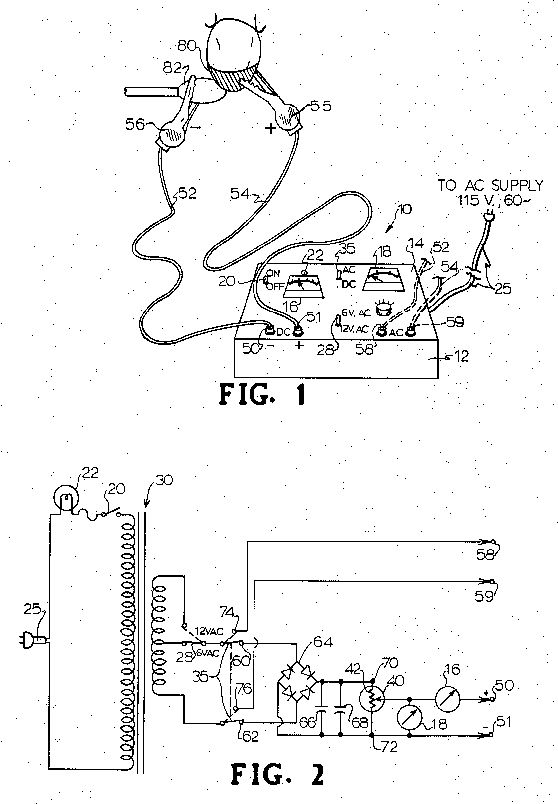
A conductive graphite coating is applied to a prepared cavity, then an electrolytic solution containing a gold- or silver-salt is introduced. A small dynamo supplies electric current, causing metal ions to plate onto the cavity walls, producing a perfect metallic filling. Similar electrodeposition techniques are described for coating dental implants, bone implants, and stents with chitosan-siRNA complexes using cathodic deposition on titanium-dioxide nanotube arrays.
Principles
- electrolysis
- electrodeposition
- cathodic deposition
- metal plating
Scientific Domains
Materials
- gold salt solution
- silver salt solution
- graphite
- orthophosphoric acid
- silver powder
- gold powder
- chitosan
- siRNA
- titanium dioxide nanotube arrays
- platinum electrode
Mechanisms of Action
- Electric current drives reduction of metal ions onto a conductive graphite layer in the tooth cavity.
- Cathodic electrodeposition of chitosan-siRNA complexes onto titanium-dioxide nanotube surfaces.
Energy Sources
Applications
- Dental cavity filling
- Root-canal treatment
- Implant surface functionalization
- Controlled drug release from medical implants
Claimed Performance
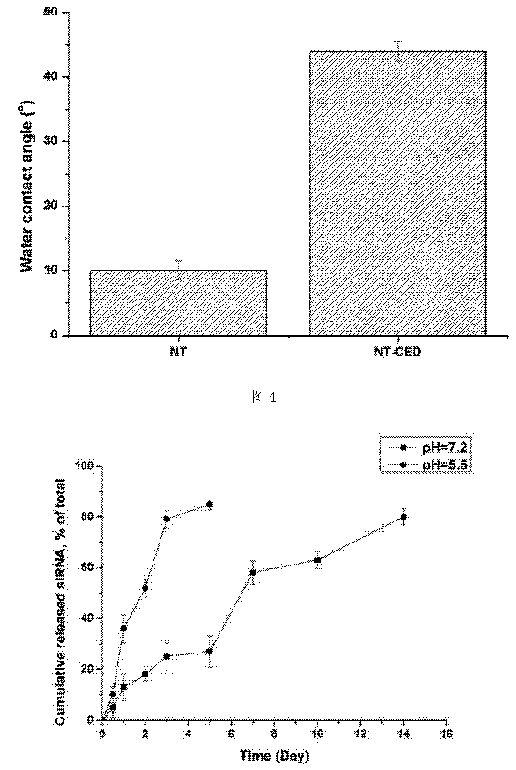
Perfectly contoured metallic filling; controlled, sustained release of siRNA from implant coatings; rapid (1-3 min) deposition.
Experimental Evidence
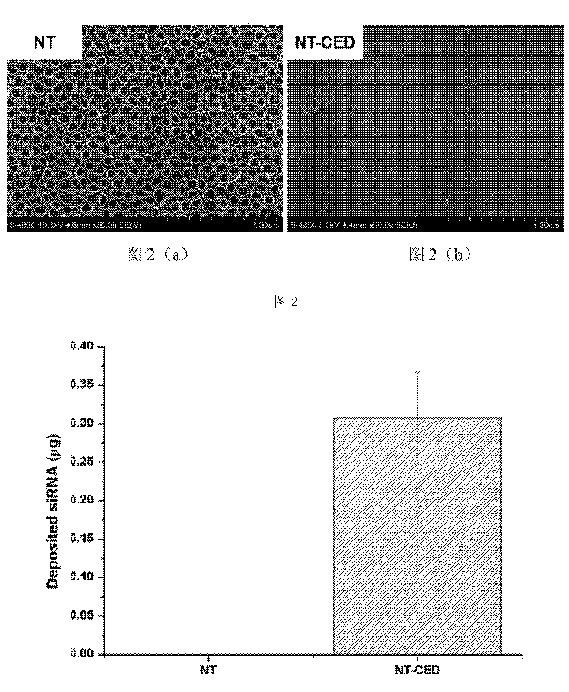
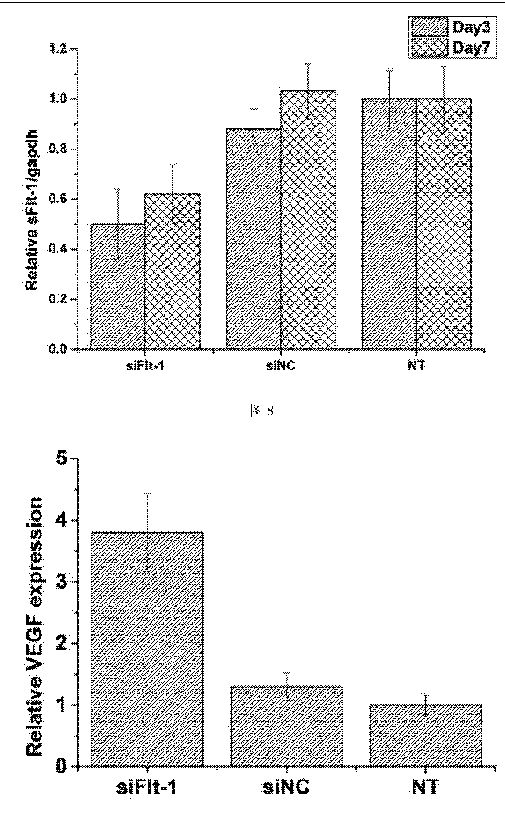
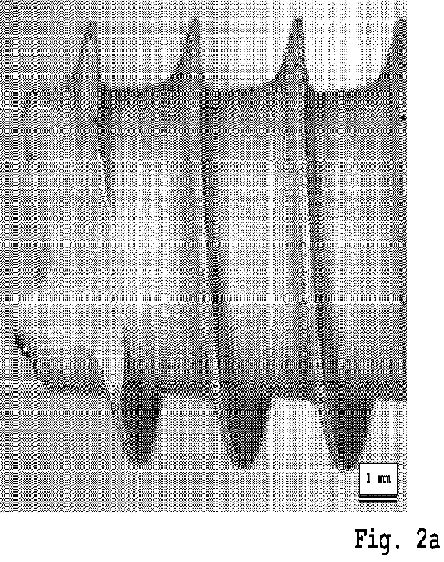
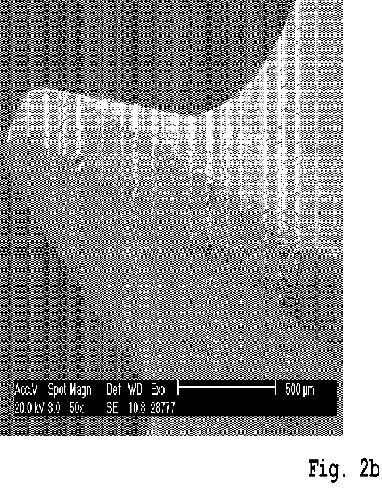
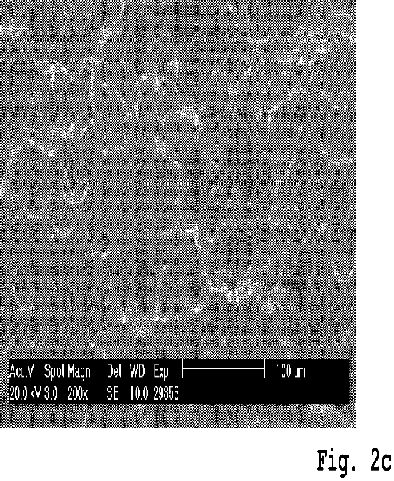
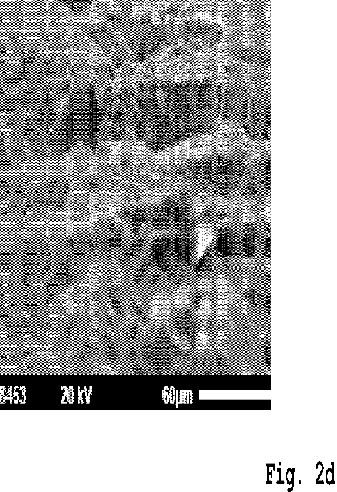
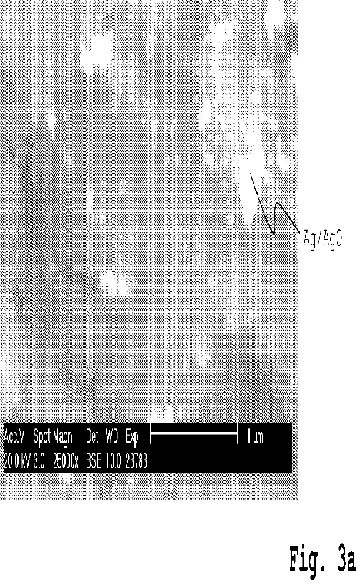
The article references several patents and shows SEM images of chitosan-siRNA coatings on titanium implants, but provides no quantitative performance data.
Limitations
- Requires electrical equipment and conductive coating
- Potential metal ion toxicity if not properly sealed
- Limited clinical data on long-term durability
Red Flags
- Metal toxicity concerns (gold/silver) if coating fails
- Lack of peer-reviewed clinical trials
- Potential regulatory hurdles for implant coating