Goal
Convert inertial impulses from high-energy cosmic particles into usable electric currents.
Problem
Provide an inexhaustible, clean energy source to replace fossil fuels and reduce environmental impact.
Concept Summary
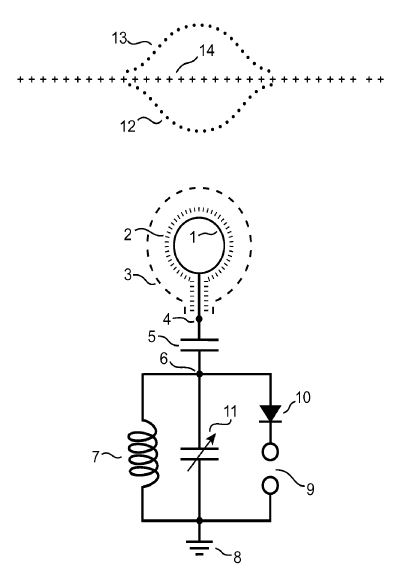
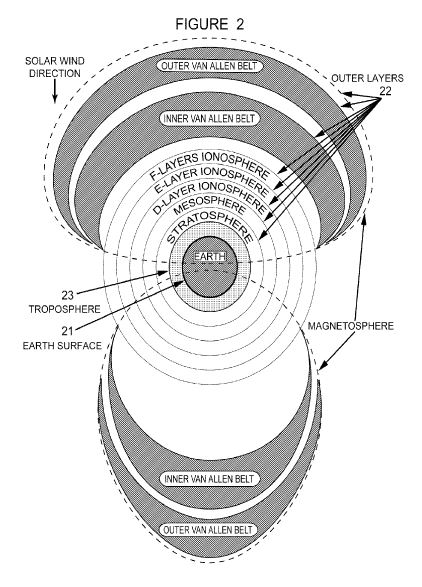
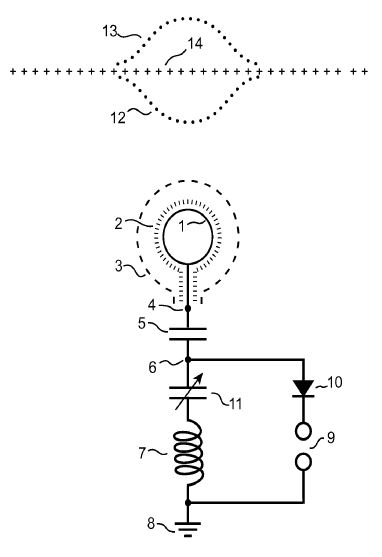
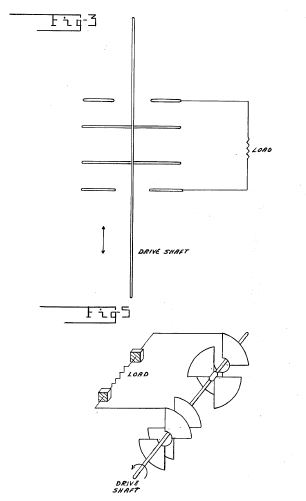
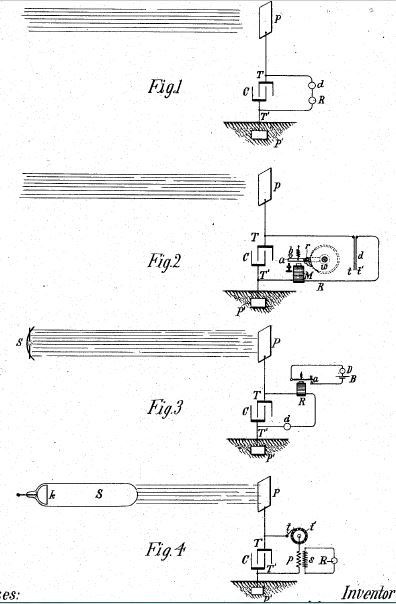
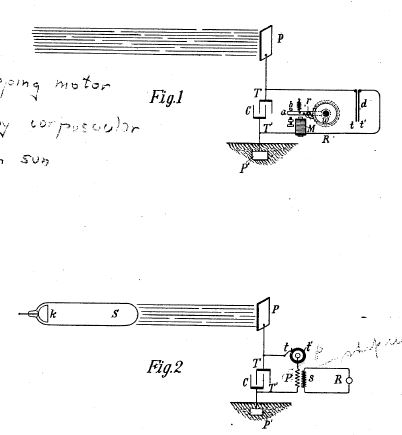
The HEED treats the Earth's outer layers (magnetosphere, ionosphere, etc.) and the Earth's surface as the plates of a gigantic capacitor with the troposphere acting as the dielectric. Random pressure waves generated by impacts of solar wind and other cosmic particles cause minute variations in the effective plate spacing, producing voltage fluctuations. A resonant LC circuit (parallel or series tuned) coupled to a conductive surface in the troposphere harvests these voltage changes, stores the energy, and releases it via a spark gap or resistive load, thereby generating electricity.
Principles
- Electrostatic induction between atmospheric plates
- Resonant LC energy storage
- Conversion of pressure-wave-induced plate spacing changes into voltage
Scientific Domains
Materials
- air (tropospheric dielectric)
- conductive metal surface
- high-voltage insulating polymer
- inductor coil (metal)
- variable capacitor (dielectric material)
- diode (semiconductor)
- spark gap (air)
Mechanisms of Action
- Random pressure waves alter effective plate spacing in atmospheric capacitor
- Voltage variations drive current into a resonant circuit
- Energy accumulates in the tank circuit and is released via spark discharge or load
Energy Sources
Applications
- Residential power generation
- Grid-connected electricity supply
Claimed Performance
Device can harvest energy from cosmic particle impacts and operate in the 4.5-7 MHz frequency band, producing usable electric power.
Limitations
- No publicly documented experimental data or peer-reviewed validation
- Performance depends on atmospheric conditions and cosmic particle flux
- Scalability and economic feasibility not demonstrated
Red Flags
- Absence of quantitative experimental results
- Claims of limitless energy without independent verification
- Potential classification as a free-energy claim