Goal
Provide an affordable, low-maintenance method to produce drinking water from saline sources using only sunlight.
Problem
Water scarcity in arid and semi-arid regions, especially rural India, where access to fresh water is limited.
Concept Summary
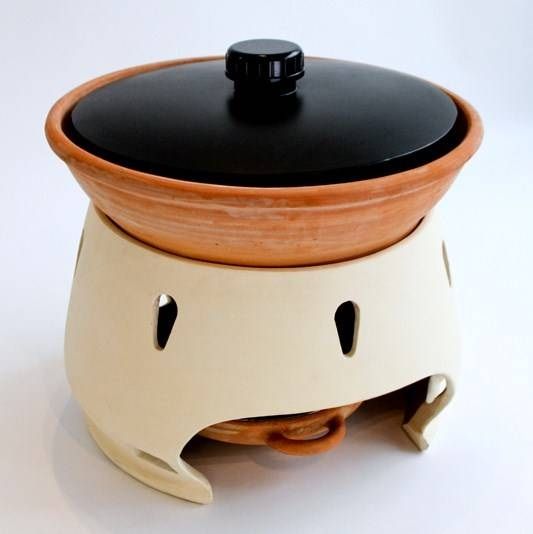
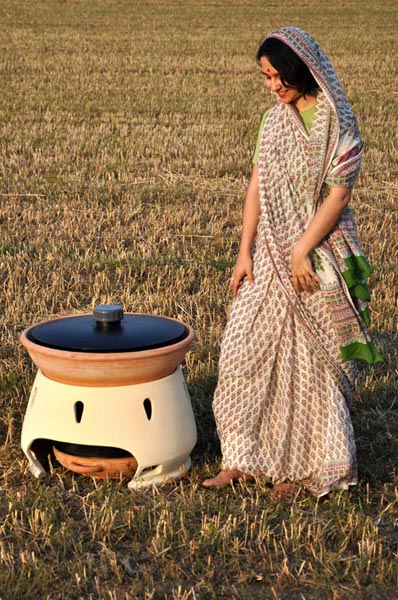
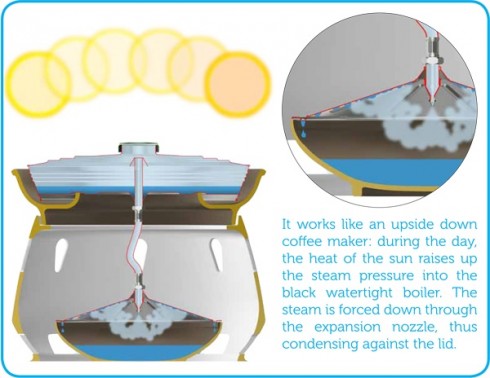
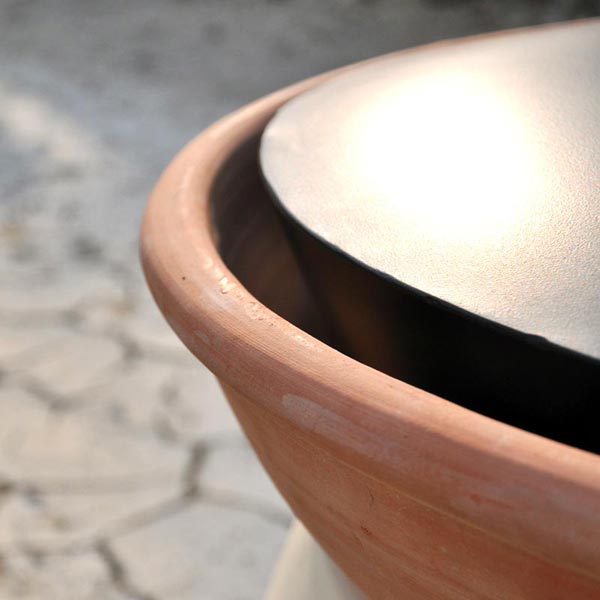
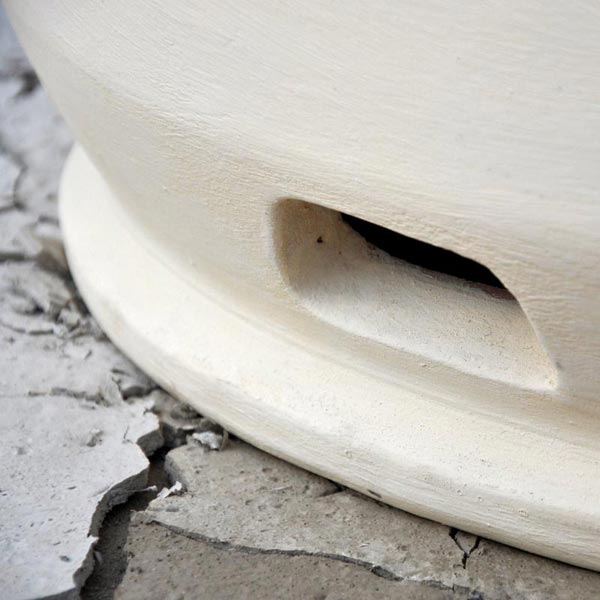
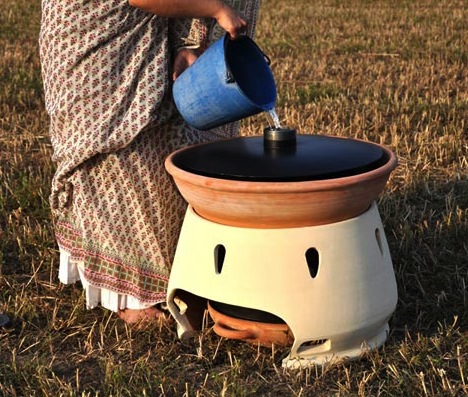
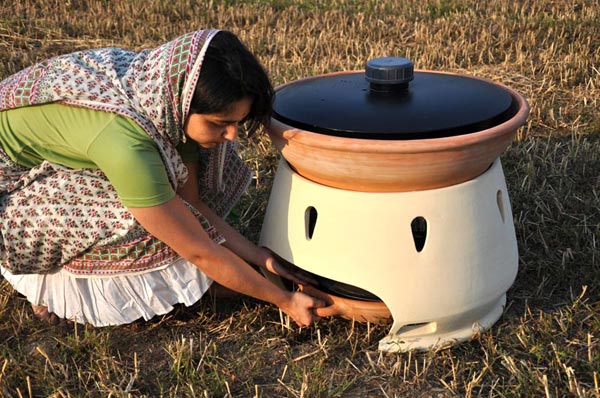
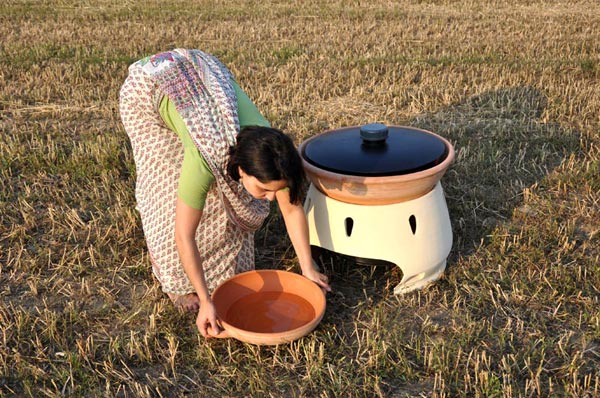
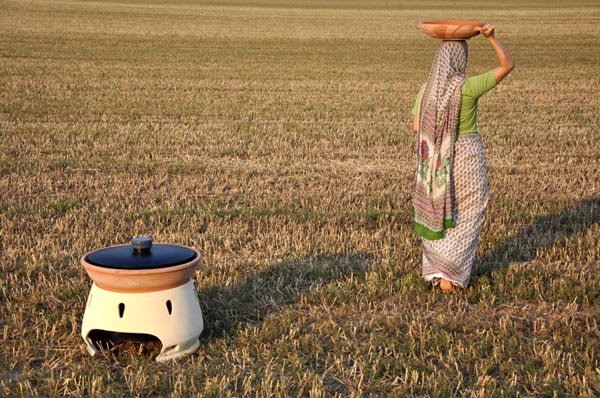
A passive solar still consisting of two stacked ceramic components. Sunlight heats a black container holding saline water, generating steam that is forced by pressure into a lower ceramic chamber where it condenses and is collected as freshwater. The system yields roughly five litres of water per day and costs under fifty dollars to build.
Principles
- Solar thermal heating
- Evaporation of saline water
- Gravity-driven steam flow
- Condensation of steam into freshwater
Scientific Domains
Materials
- Ceramic (two stacked pieces)
- Black-painted container (metal or ceramic)
- Glass or clear tube for steam transfer
- Plastic or rubber tubing (optional for water collection)
Mechanisms of Action
- Sunlight heats a black container, raising water temperature until it vaporises.
- Steam pressure pushes the vapor down a tube into a cooler lower ceramic chamber.
- Steam condenses on the interior surfaces of the lower chamber and drips into a collection basin.
Energy Sources
Applications
- Rural drinking-water supply
- Emergency or disaster relief water purification
- Off-grid desalination for small households
Claimed Performance
Produces about five litres of drinking water per day, roughly two litres more than a conventional solar still of comparable size.
Experimental Evidence
Field demonstrations reported a daily output of ~5 L of freshwater under direct sunlight conditions.
Limitations
- Limited daily output (~5 L)
- Performance depends on sunlight intensity and weather
- Requires fabrication of ceramic components
- No data on long-term durability or scaling
Red Flags
- No peer-reviewed experimental data published; performance claims are based on anecdotal demonstrations.