Goal
Treat cancer by reactivating mitochondrial metabolism and inducing apoptosis in cancer cells
Problem
Cancer (metabolic dysregulation and uncontrolled cell growth)
Concept Summary
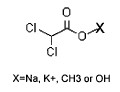
Dichloroacetate (DCA) is a small, inexpensive molecule that inhibits pyruvate dehydrogenase kinase, thereby re-activating mitochondrial oxidative phosphorylation in cancer cells. This metabolic shift from glycolysis to mitochondrial respiration triggers apoptosis, leading to tumor regression in vitro and in animal models while sparing normal tissue.
Principles
- Inhibition of pyruvate dehydrogenase kinase (PDK)
- Activation of pyruvate dehydrogenase (PDH)
- Metabolic re-programming from glycolysis to oxidative phosphorylation
- Induction of apoptosis in cancer cells
Scientific Domains
Materials
- Dichloroacetate
- Ceresine (alternative name)
Mechanisms of Action
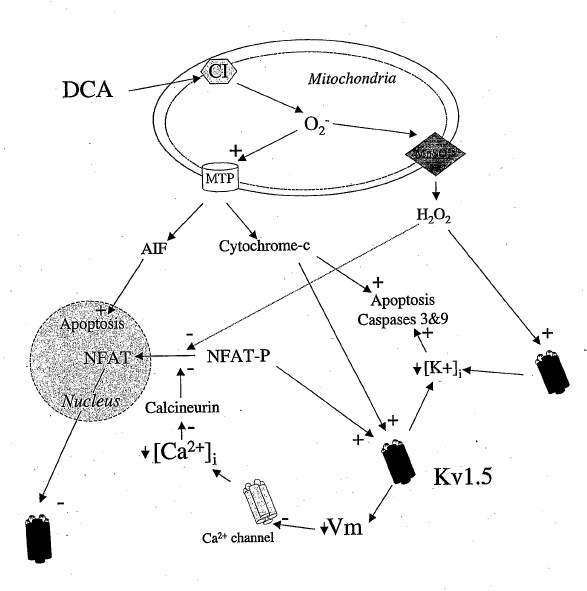
- DCA blocks PDK, preventing PDH inactivation
- Restores mitochondrial function and ATP production
- Reverses the Warburg effect in cancer cells
- Promotes apoptotic pathways leading to cell death
Applications
- Cancer therapy (potential monotherapy or adjunct)
- Metabolic re-programming of tumour cells
Claimed Performance
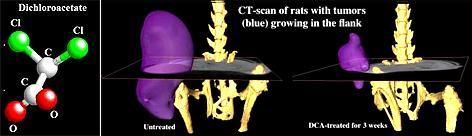
In vitro, DCA killed lung, breast and brain cancer cells while sparing normal cells; in rat models bearing human tumour xenografts, tumours shrank dramatically after several weeks of DCA-laced water.
Experimental Evidence
Laboratory studies showed loss of immortality and death of cancer cells; animal studies reported tumour regression in rats fed DCA-containing water; results published in the journal Cancer Cell.
Replication Status
Results published in Cancer Cell; no independent replication reported in the article.
Limitations
- No human clinical trials yet
- Potential peripheral neuropathy at therapeutic doses
- Lack of patent protection limiting commercial investment
- Unclear optimal dosing and treatment schedule
Red Flags
- Claims of a universal cure for cancer without human trial data
- Potential over-statement of efficacy based on pre-clinical results only