Goal
Increase the sensitivity and precision of dowsing/detection of subterranean substances, water, minerals, and other environmental phenomena.
Problem
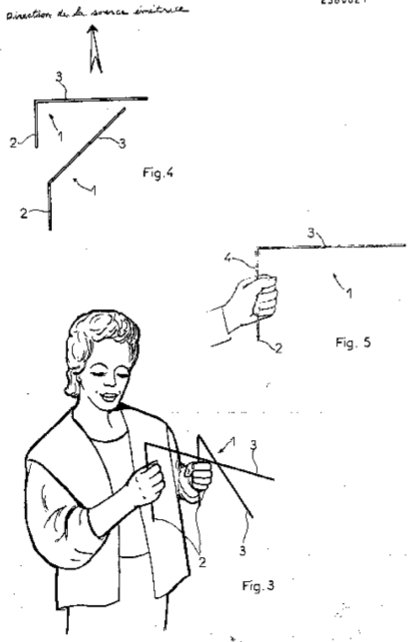
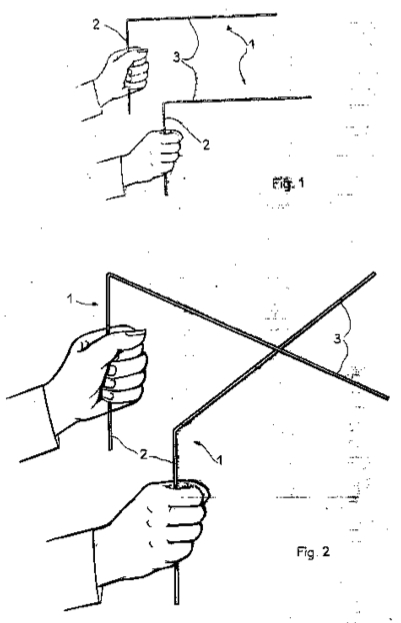
Traditional dowsing rods have low and and poor reproducibility, making it difficult to locate specific spots or regions in space with confidence.
Concept Summary
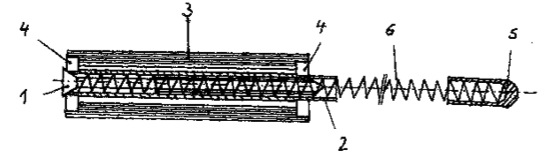
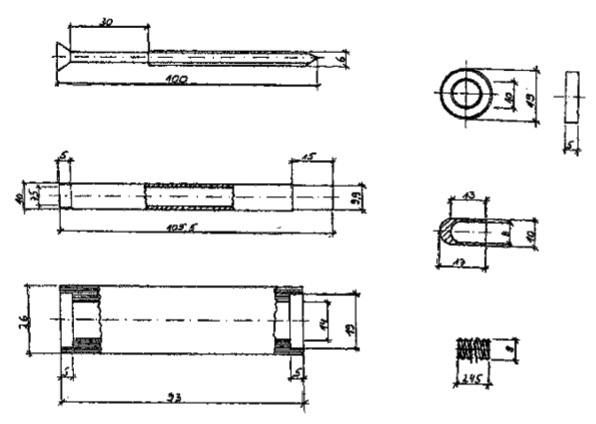
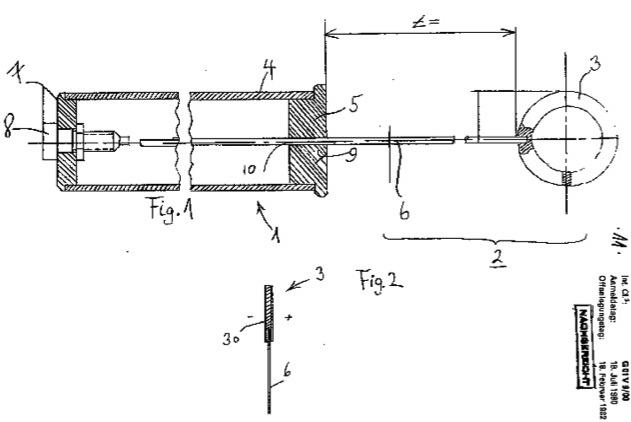
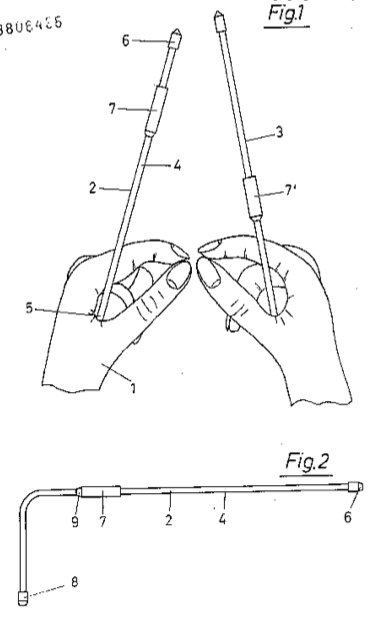
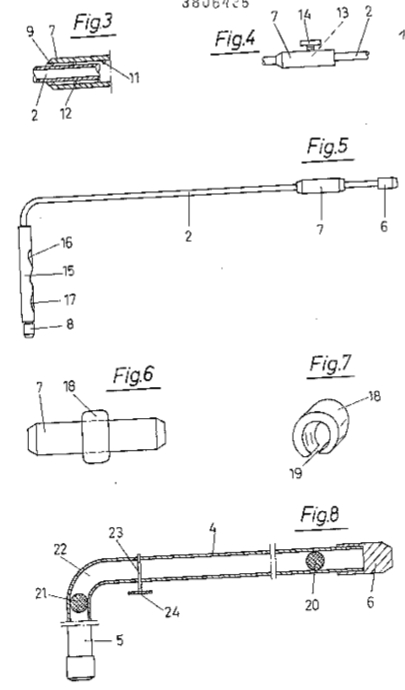
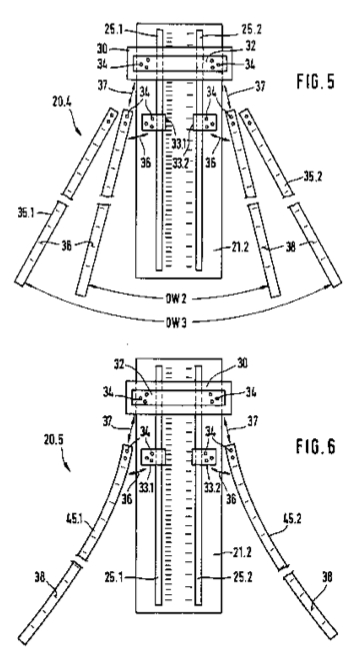
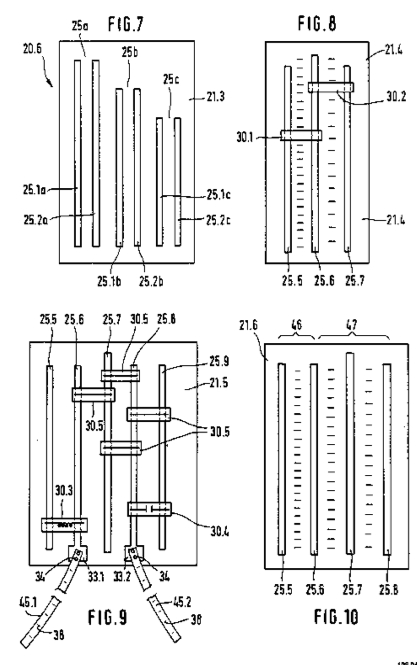
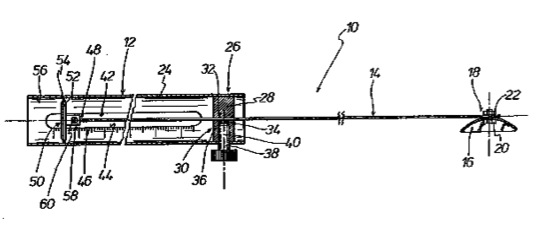
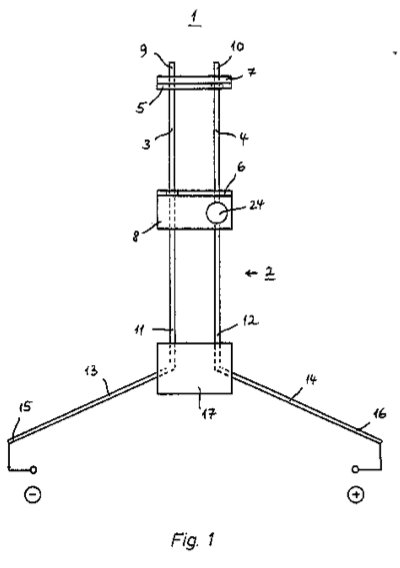
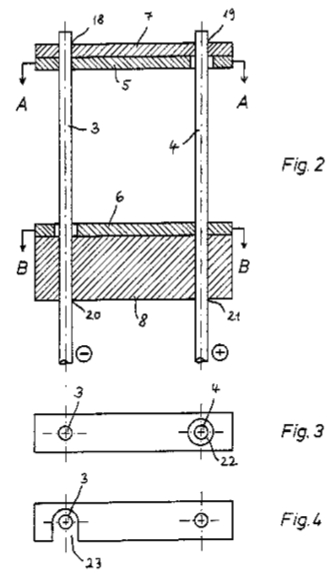
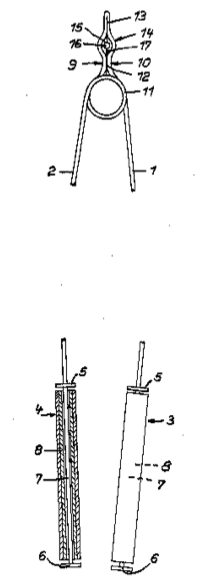
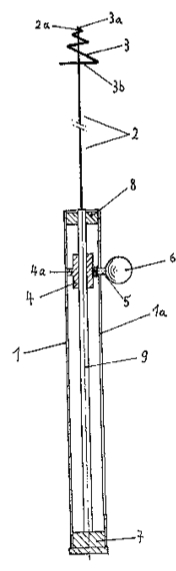
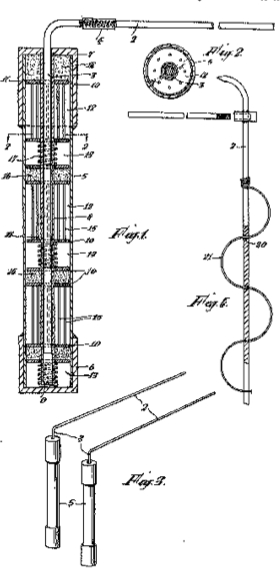
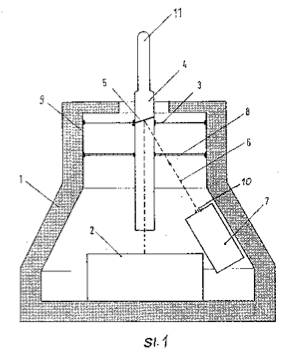
A one-hand test rod consisting of a conductive metal tube handle, a flexible indicator wire, and a slideable conductive tuning element inside the tube. By adjusting the tuning element, the rod forms an electric resonant cavity that amplifies deflection of the indicator tip when it encounters a target region. The device is claimed to provide reproducible, highly sensitive detection of water, minerals, and other geobiological stimuli.
Detailed Description
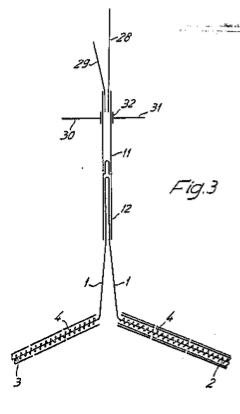
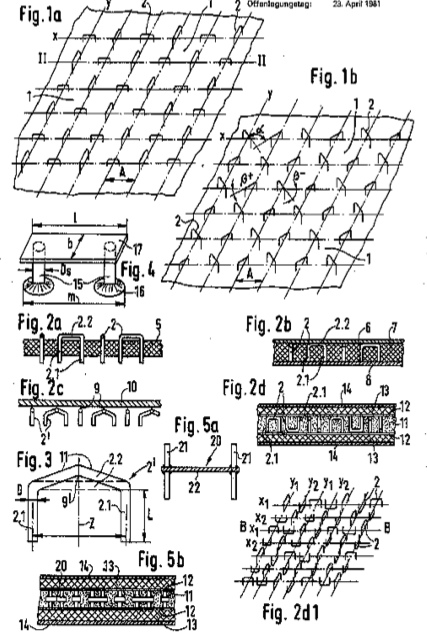
The invention comprises a cylindrical conductive tube (e.g., copper) that forms the handle, a straight indicator wire (e.g., brass) attached to a conical helix tip, and a longitudinally slideable conductive tuning element (copper or brass) inside the tube. The tuning element can be locked in position with a knob and stud mechanism. When the indicator tip is brought near a region of interest, the tuning element can be moved to a resonant position, causing the tip to vibrate or spin. The inventor reports that different resonant positions correspond to different spatial spots and that the deflection is reproducible in practical tests. The device is intended for tracing water, mineral resources, and other "irritating stripes" on the ground, as well as for therapeutic applications when combined with textile sleeves containing copper conductors.
Principles
- Electric resonance (cavity resonator)
- Mechanical vibration amplification
- Electromagnetic induction (implicit)
- Tuning of resonant frequency by sliding conductive element
Scientific Domains
Materials
- Copper tube
- Brass wire
- Copper or brass tuning element
- Plastic (non-conductive) end plugs
- Metal or plastic guide bar
Mechanisms of Action
- Resonant cavity formation inside conductive tube
- Deflection of indicator wire due to environmental fields
- Vibration of tip when resonance condition is met
Applications
- Water detection
- Mineral prospecting
- Geobiological field mapping
- Therapeutic detoxification (when combined with conductive sleeves)
Claimed Performance
Significantly increased sensitivity and measurement exactness compared with prior dowsing rods; ability to reproducibly locate specific spots in space.
Experimental Evidence
The patent text states that "in practical tests it has been found out that different but reproducible positions of the tuning element can be associated with different spots or regions in space" and that the results are "well reproducible". No quantitative data are provided.
Limitations
- No peer-reviewed experimental data
- Mechanism of resonance not scientifically validated
- Subjective interpretation of deflection
Red Flags
- Claims rely on anecdotal "practical tests" without quantitative measurement
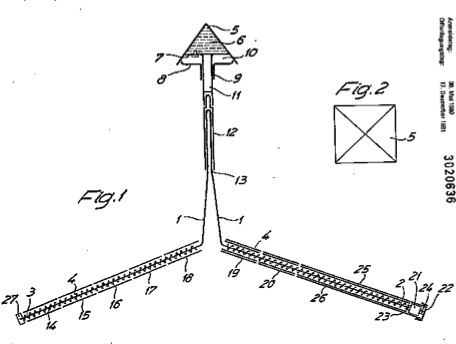
- Device is marketed alongside pseudoscientific concepts such as radionics and pyramid power