Goal
To detect and image underground watercourses and other mineral sources by recording radiation emitted from moving water.
Problem
Difficulty locating underground water and mineral deposits using conventional methods.
Concept Summary
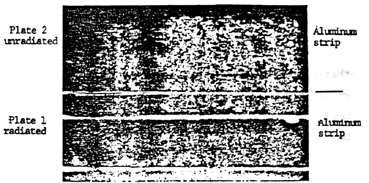
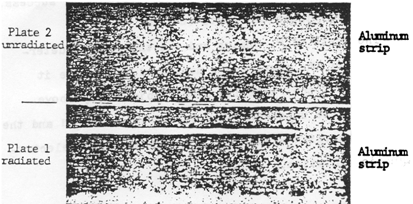
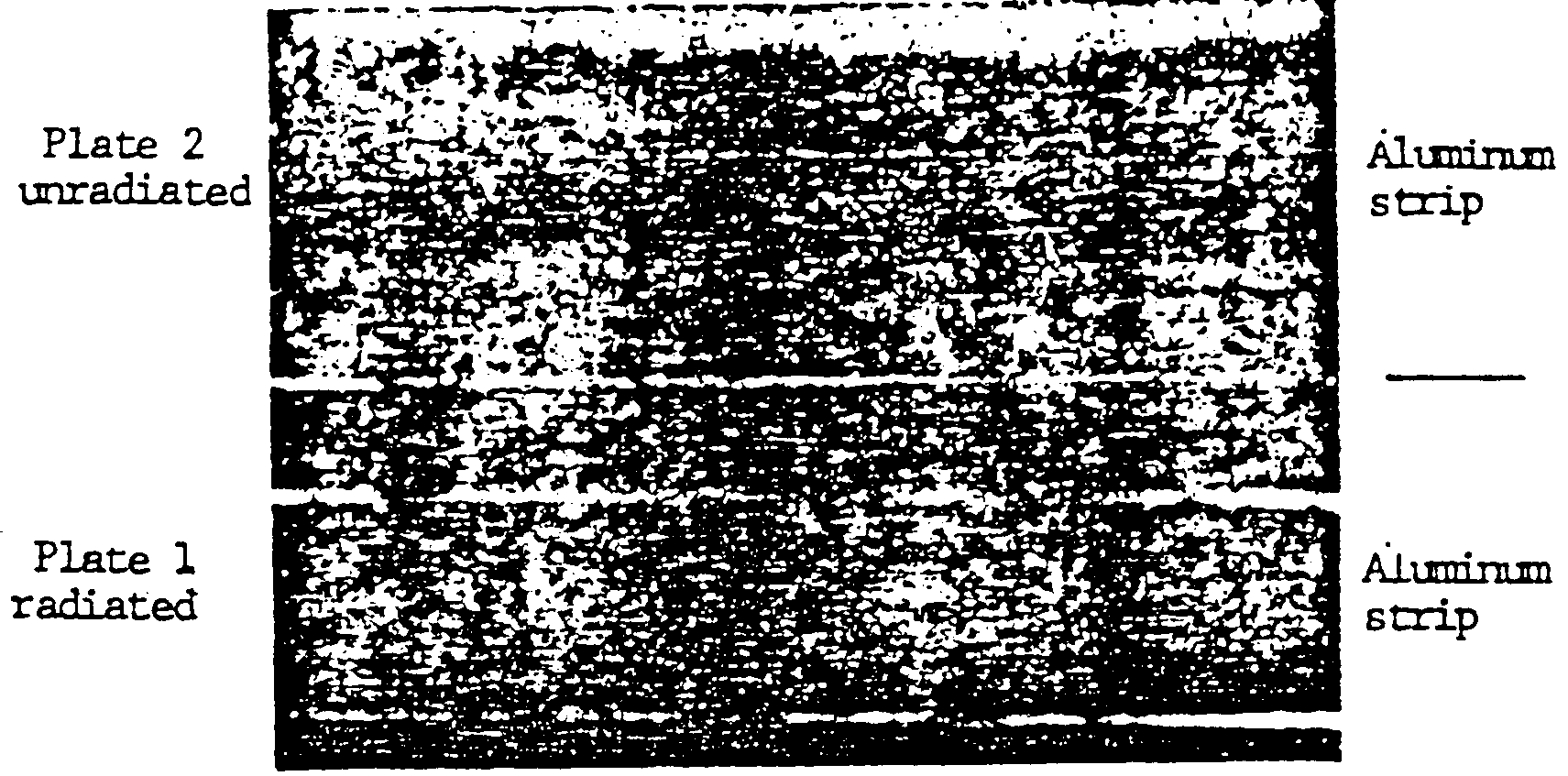
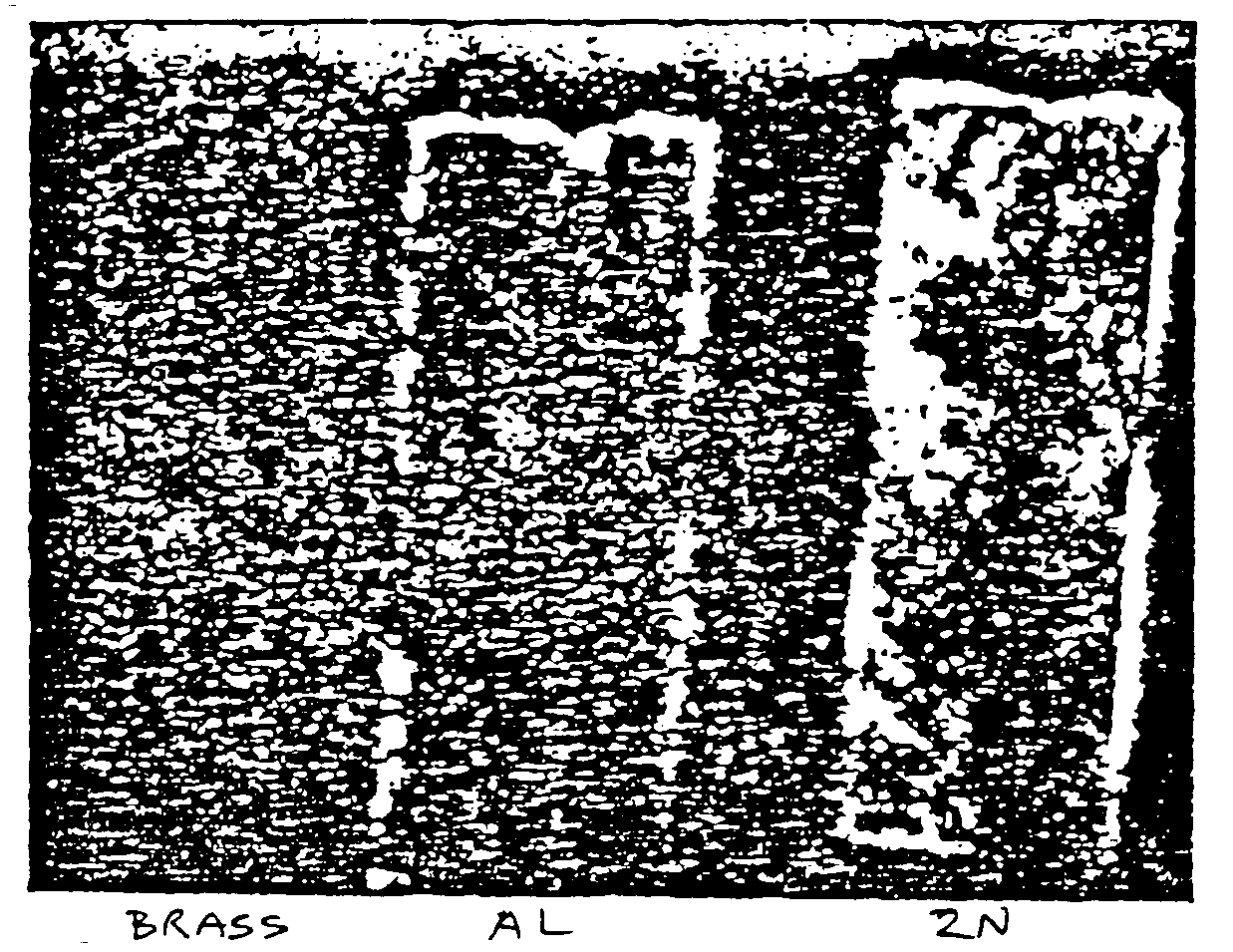
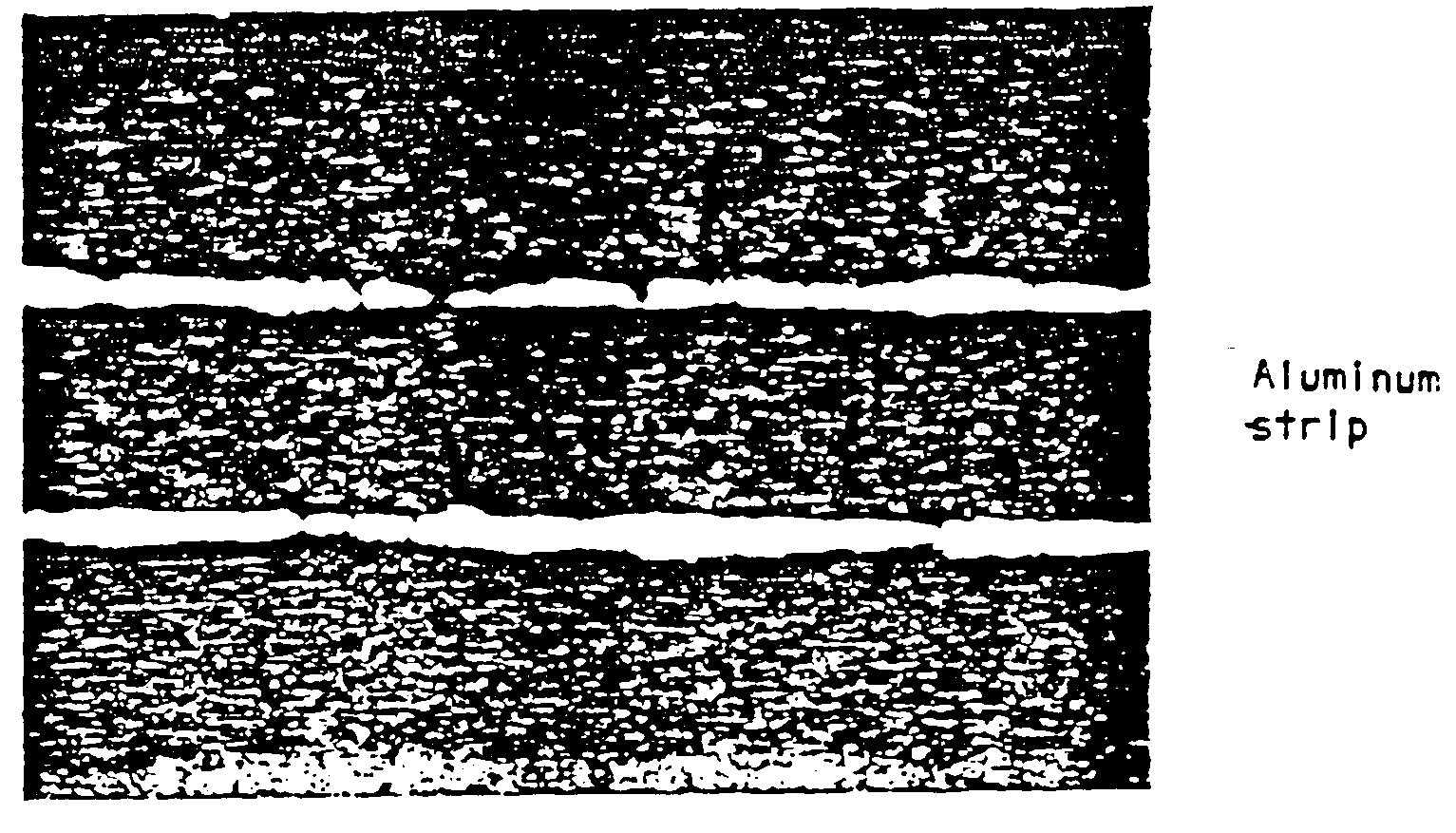
Turbulent moving water generates broadband electromagnetic radiation in the millimeter-wave (X-band) region. When this radiation contacts certain metallic surfaces (e.g., bare aluminum or zinc) placed on photographic plates, it induces photon emission that darkens the emulsion, producing a visible image of the radiation pattern. By arranging metal strips on photographic plates and exposing them to underground or surface water, the method creates photographic "sensitive bands" that map the location of watercourses.
Detailed Description
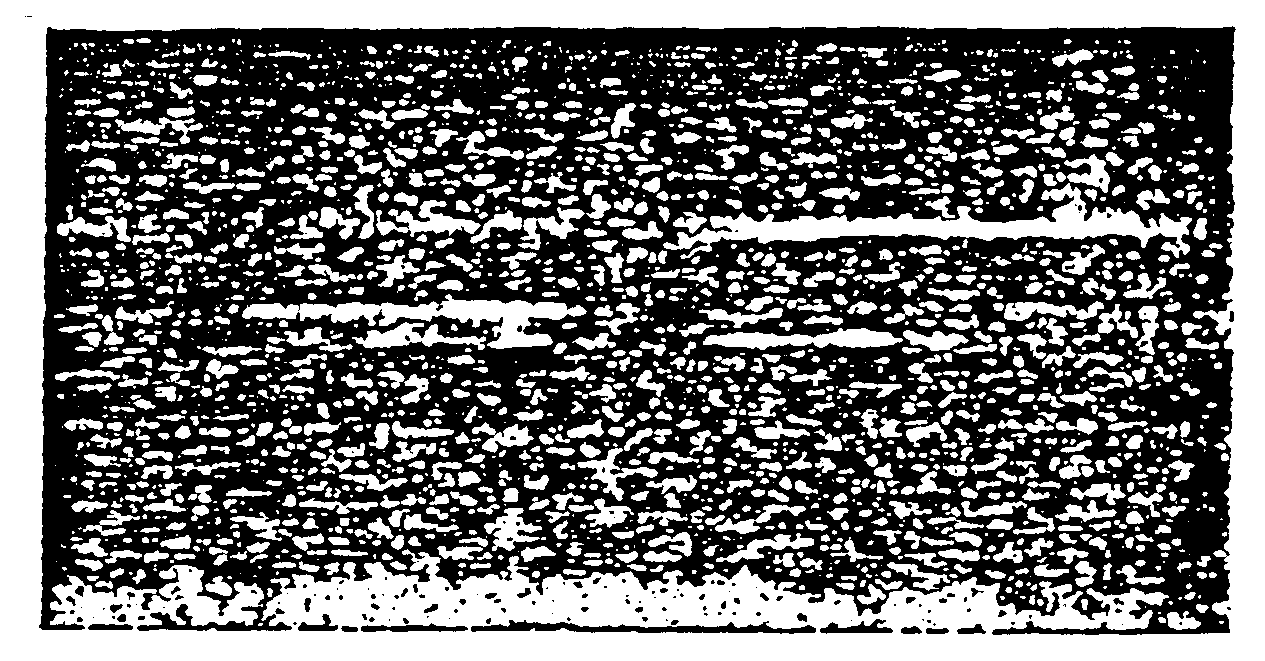
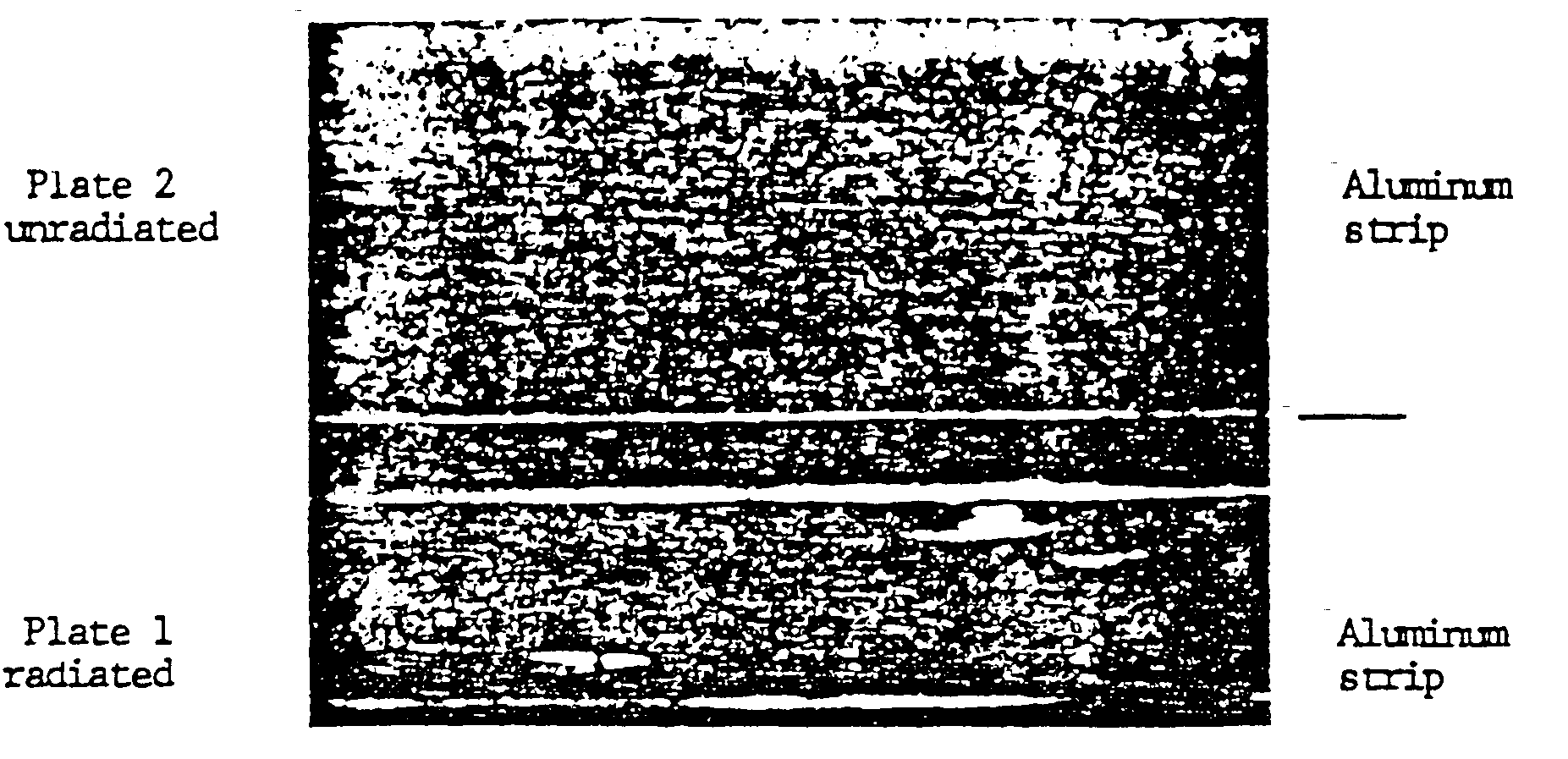
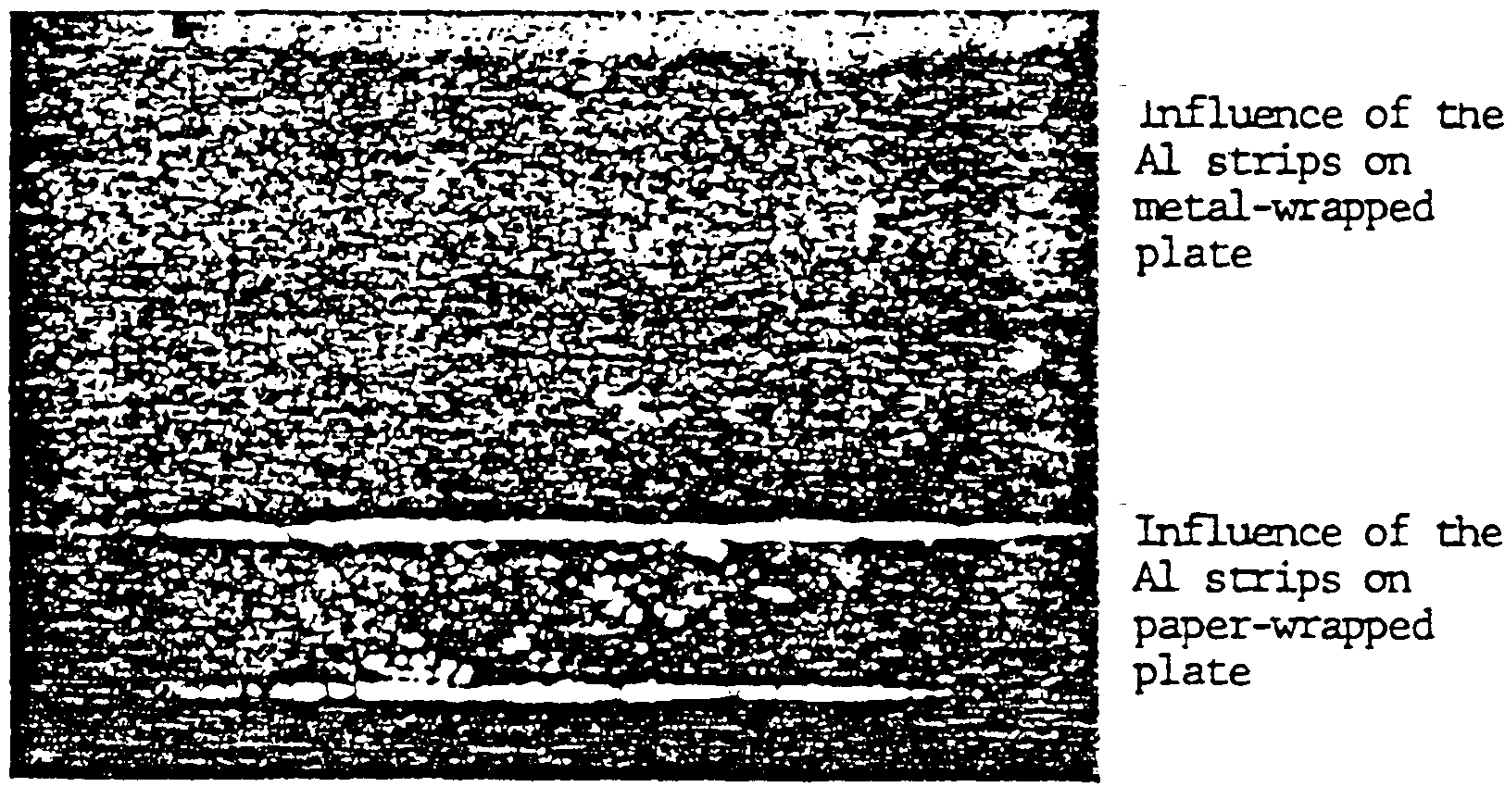
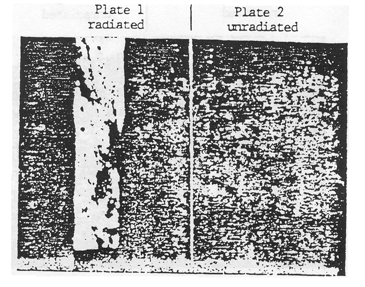
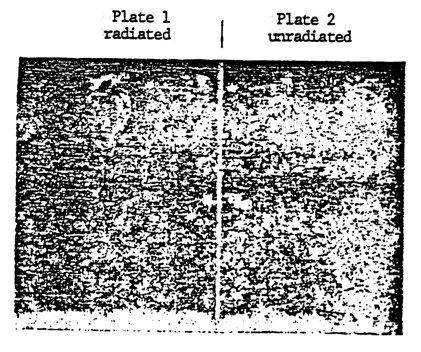
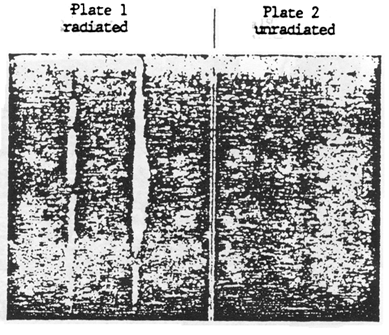
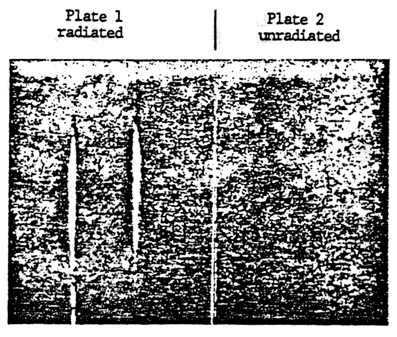
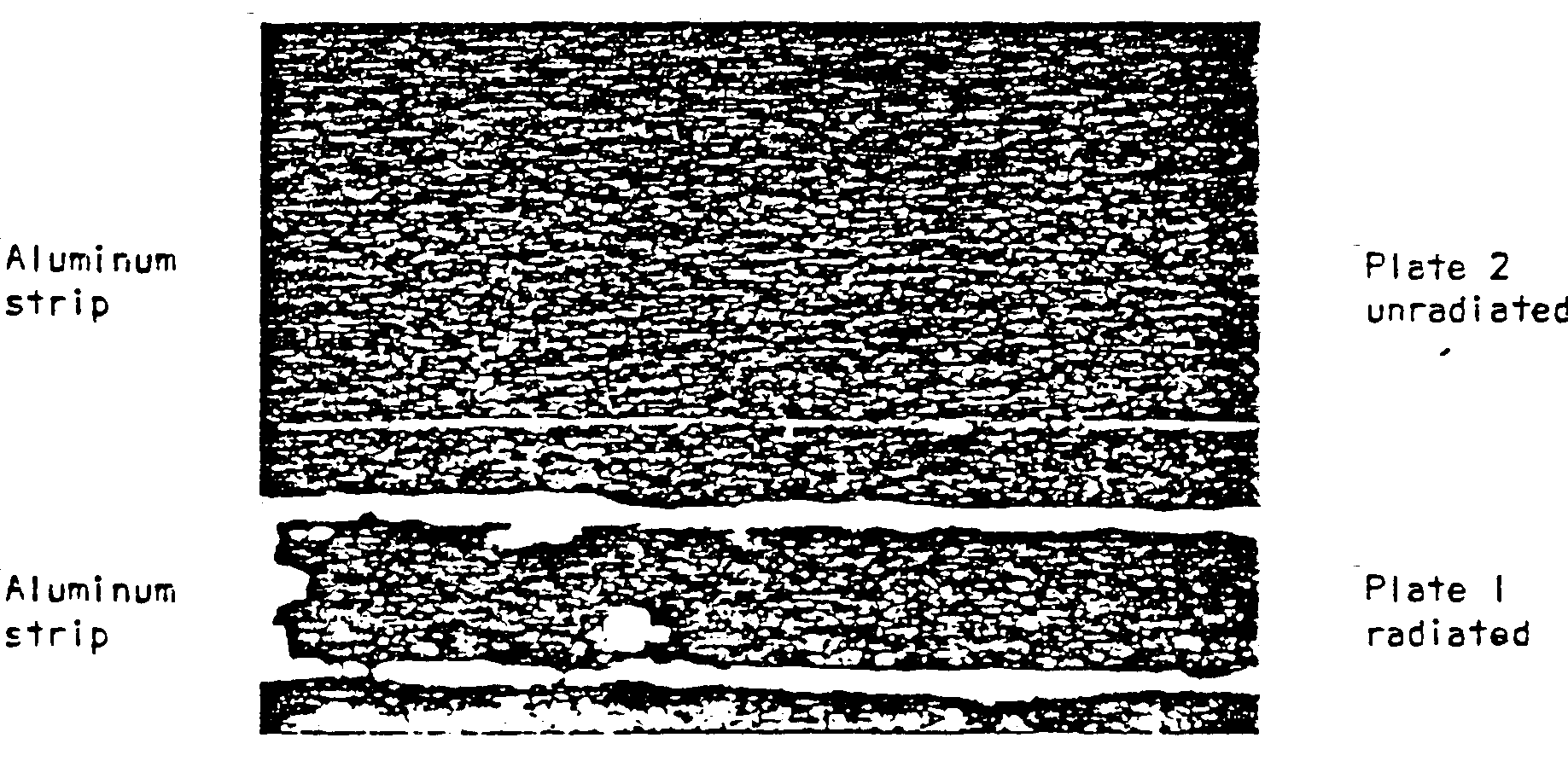
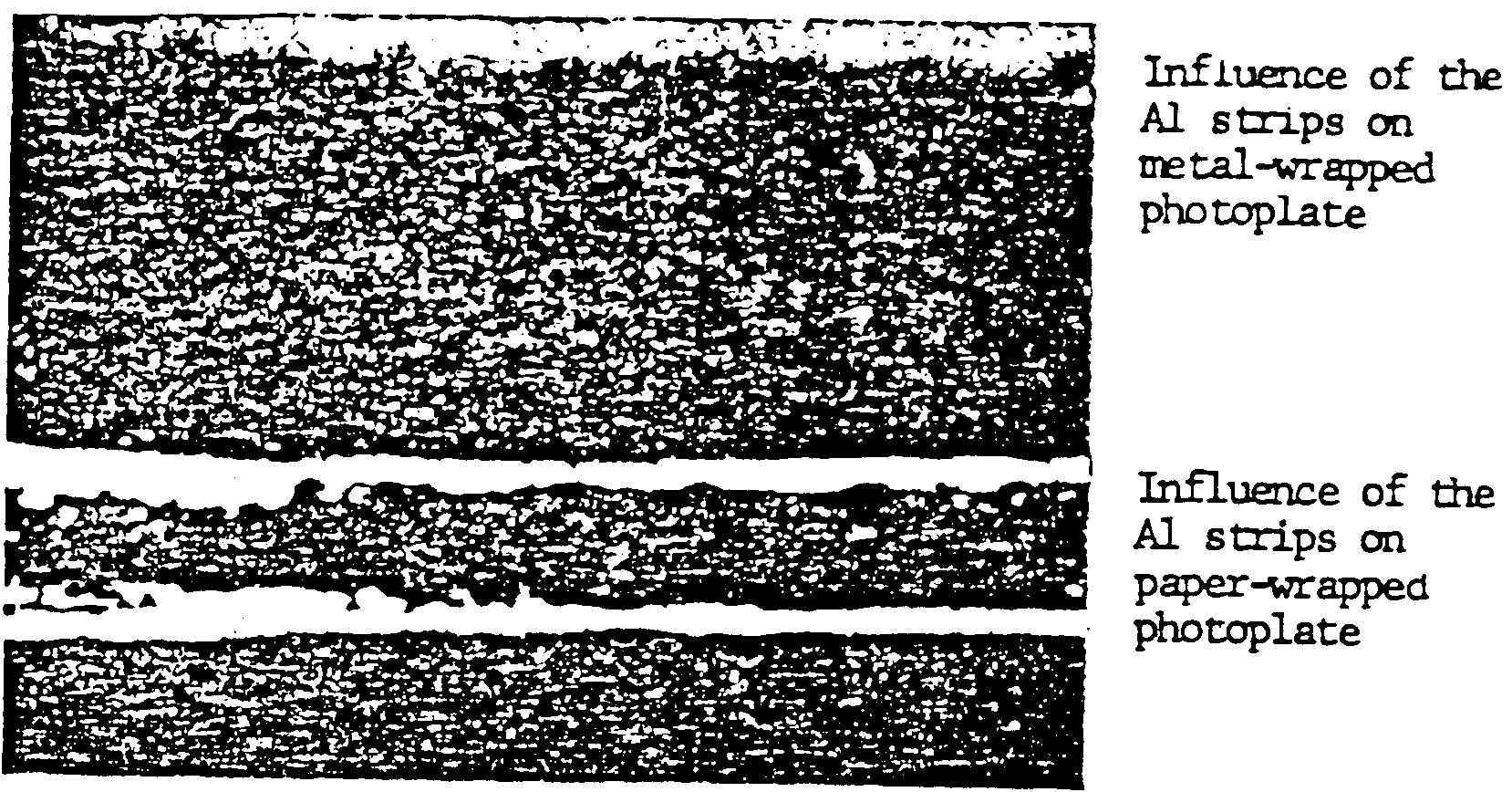
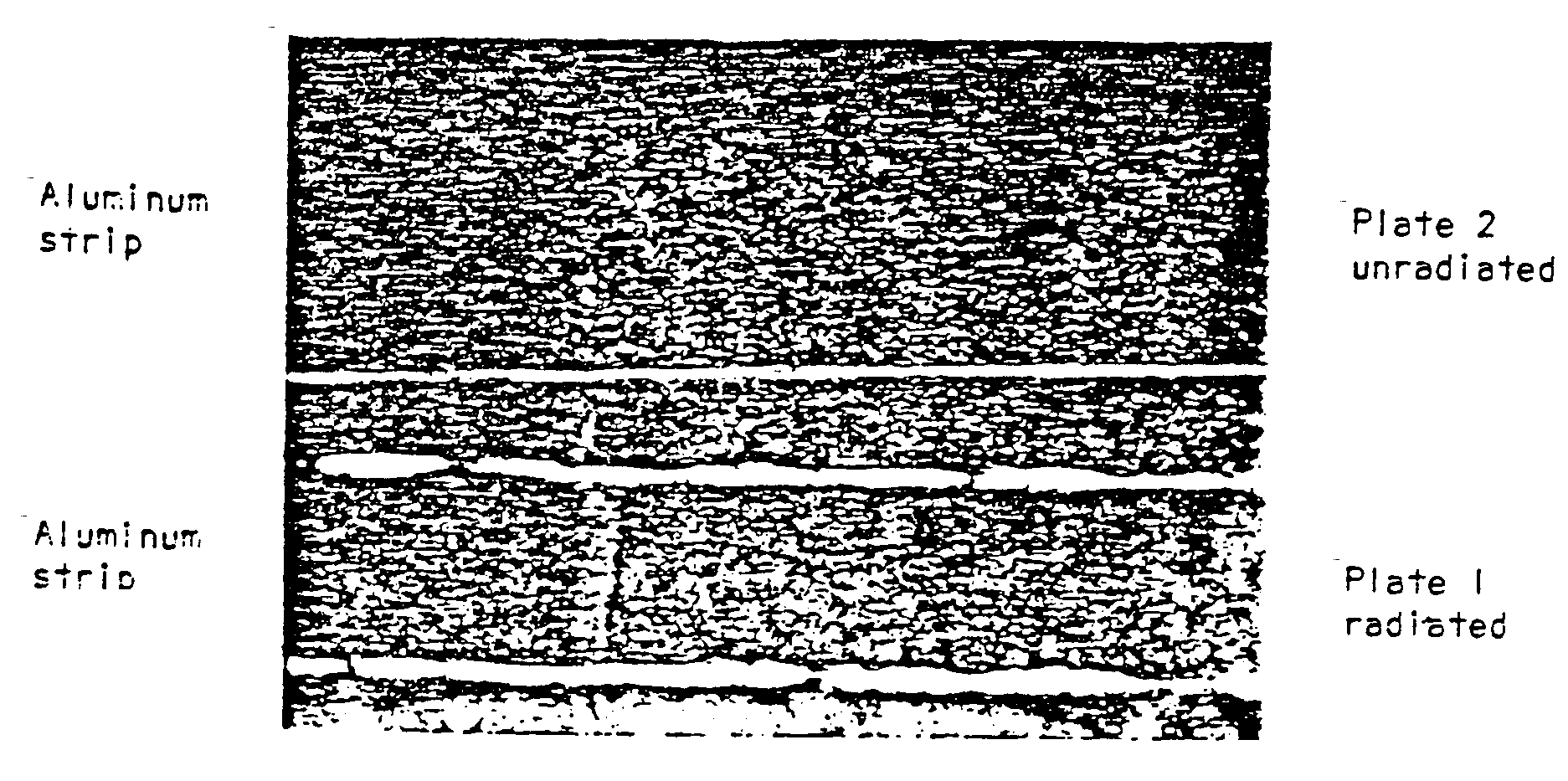
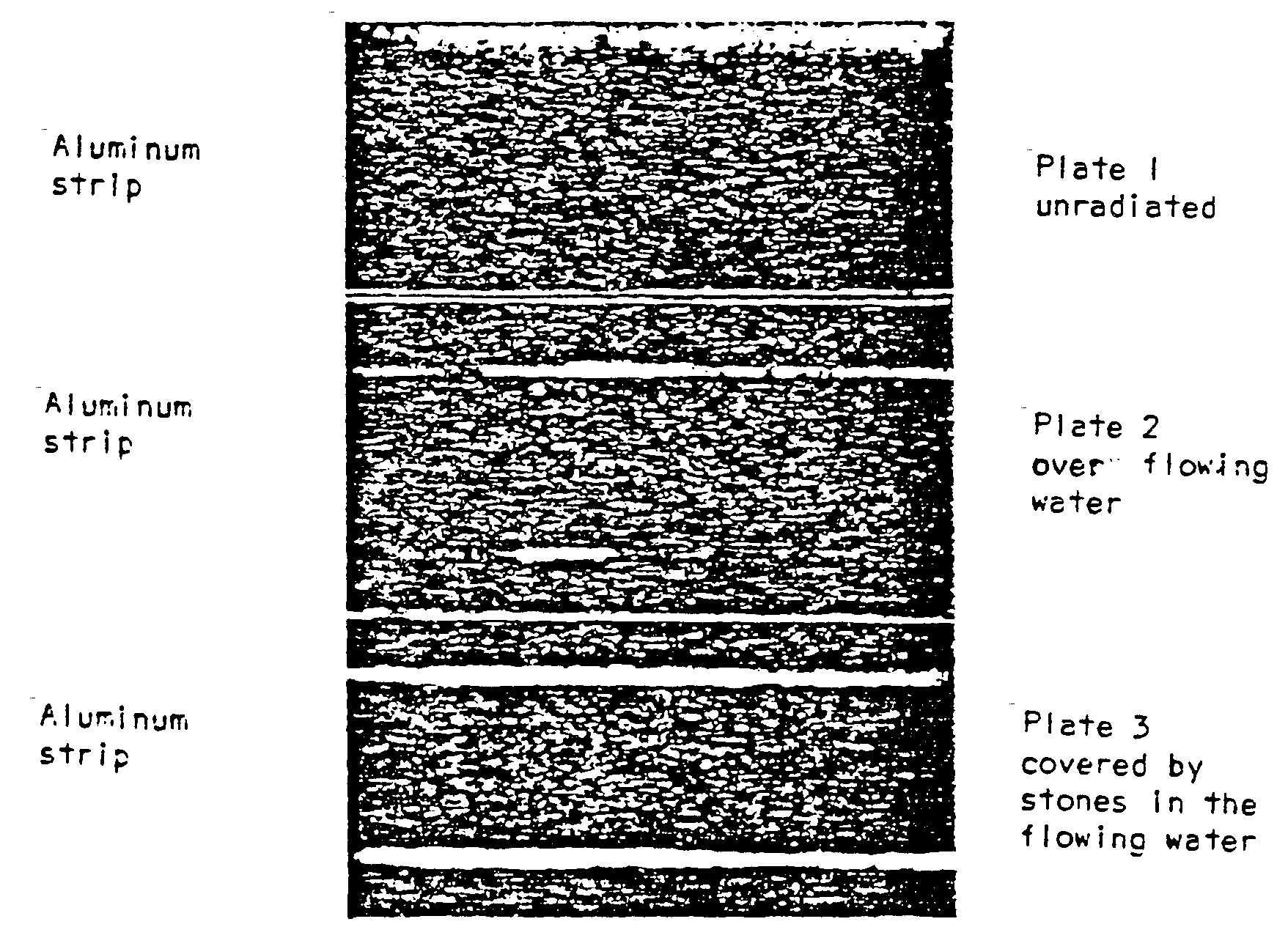
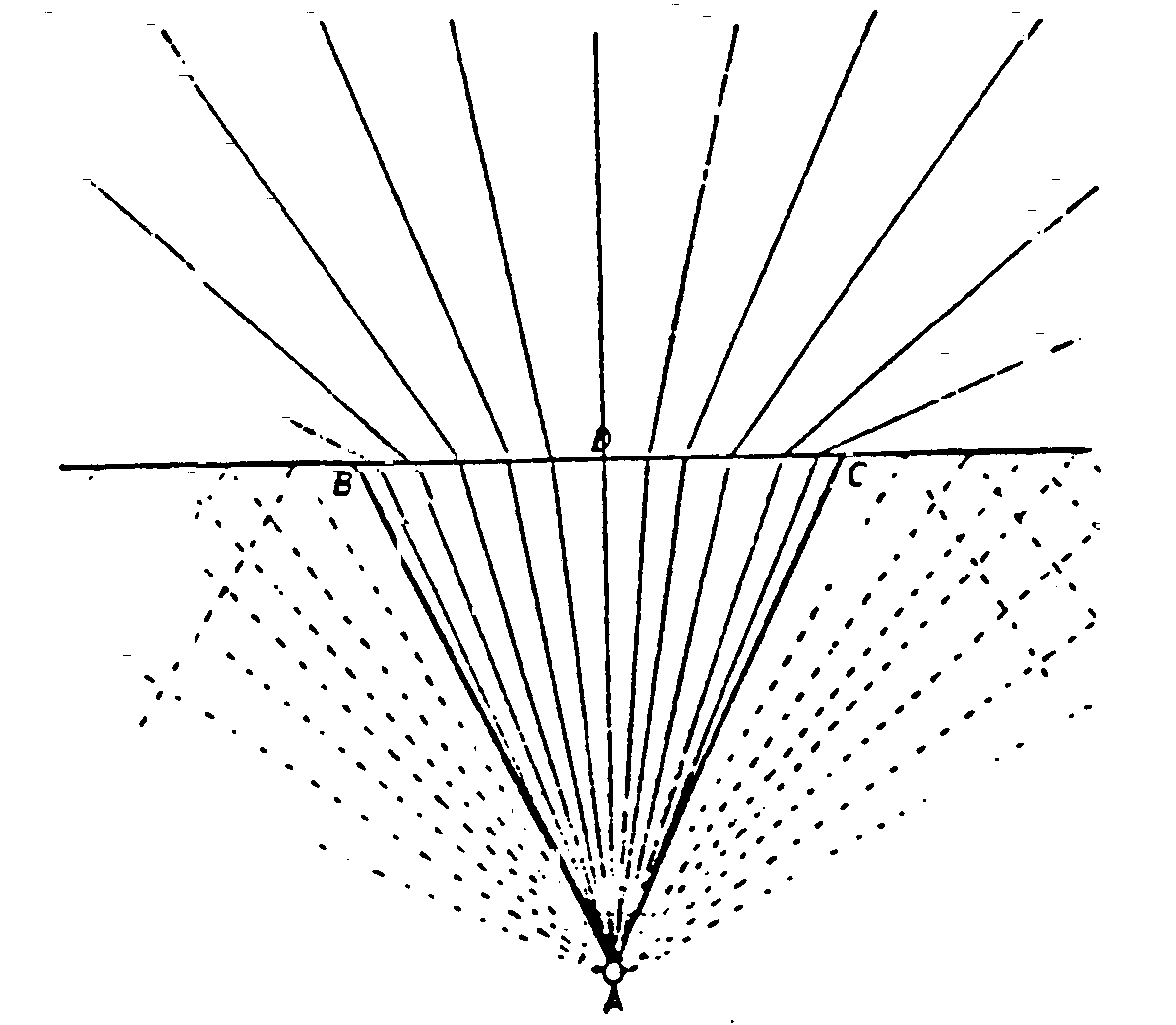
Dobler performed a series of tests (Tests 1-7) in which photographic plates were placed in contact with bare aluminum, zinc, or brass strips and exposed underground underground watercourses, moving surface water, or artificial canals. Plates exposed to radiation from moving water showed pronounced darkening (high density) under aluminum and zinc but not under brass. Tests demonstrated that the radiation penetrates earth, stone, and wood, is absorbed by water, and can be recorded through walls. The phenomenon was also observed with ice-covered streams, producing especially strong density. The underlying mechanism was described as unsmooth electromagnetic waves between the infrared and the shortest Hertzian frequencies, subject to total internal reflection at the earth-air interface, producing narrow "sensitive bands".
Principles
- Electromagnetic radiation emission from turbulent water
- Photochemical exposure of silver-halide emulsion
- Metal-induced photon emission
- Total internal reflection at material boundaries
Scientific Domains
Materials
- Water (moving or underground)
- Aluminum (bare sheet)
- Zinc (sheet)
- Brass (sheet)
- Silver-halide photographic plates
- Paper (light-proof wrapping)
- Stone and earth (as surrounding media)
Mechanisms of Action
- Turbulent water generates broadband millimeter-wave radiation
- Radiation interacts with bare metal surfaces, causing secondary photon emission
- Photons expose photographic emulsion, creating a density pattern
- Total reflection creates narrow surface bands that map water location
Energy Sources
Applications
- Water resource exploration
- Mineral and petroleum prospecting
- Archaeological site detection
- Non-destructive imaging through walls
Claimed Performance
Ability to photographically reveal underground watercourses, mineral deposits, and other bodies through earth, stone, and wood; detection of water flow intensity via density contrast; imaging possible through walls.
Experimental Evidence
Multiple laboratory and field tests (Tests 1-7) documented in the article, showing reproducible darkening of photographic plates under aluminum and zinc when exposed to underground or surface water radiation, with controls (brass, dark-room storage) showing no effect.
Replication Status
Tests performed and verified by the Württemberg Institute for Instruction of Physics (Stuttgart) and reported in a German patent (DE698496). No independent third-party replication reported.
Limitations
- Radiation is strongly absorbed by water, limiting depth of detection
- Requires metal strips and photographic plates; not a quantitative sensor
- No modern peer-reviewed validation
- Environmental conditions (temperature, humidity) may affect photographic development
Red Flags
- Claims are based on historical, non-peer-reviewed literature
- Association with divining rods and "Ether" concepts
- Lack of quantitative measurements or independent replication