Goal
To improve cognition and reverse symptoms of dementia/Alzheimer's by delivering near-infrared light to the brain.
Problem
Cognitive decline and memory loss in dementia and Alzheimer's disease.
Concept Summary
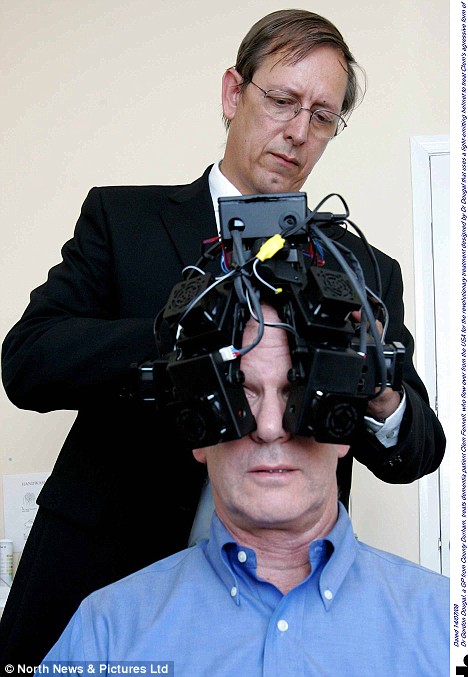
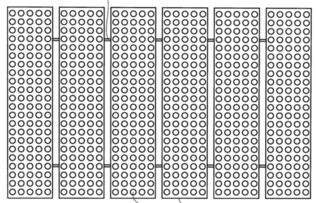
A wearable helmet containing ~700 near-infrared LEDs (~=1072 nm) that bathes the skull in low-power infrared light twice daily. The light is intended to stimulate cellular repair and neurogenesis, thereby slowing or reversing dementia symptoms.
Principles
- Photobiomodulation
- Near-infrared light stimulation of brain tissue
Scientific Domains
Materials
- Near-infrared LEDs
- Plastic/foam helmet housing
Mechanisms of Action
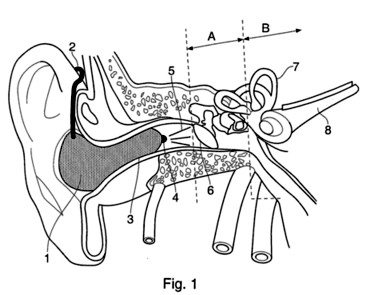
- Penetration of skull by 1072 nm light
- Stimulation of mitochondrial activity and cellular repair pathways
- Potential promotion of neurogenesis
Energy Sources
Applications
- Dementia treatment
- Alzheimer's disease therapy
- Cognitive enhancement
Claimed Performance
Patients reported noticeable cognitive improvement within 10 days to 3 weeks; ability to hold conversations, shop, and perform daily tasks restored.
Experimental Evidence
A single dementia patient (Clem Fennell) showed rapid improvement after 10-minute twice-daily sessions; researchers at University of Sunderland reported low-power 1072 nm light improved learning in independent studies.
Replication Status
Prototype used on one patient; a 100-patient clinical trial is planned but not yet conducted.
Limitations
- Only anecdotal evidence; no peer-reviewed clinical data yet
- Effectiveness may vary between patients
- Unclear optimal dosage and treatment duration
Red Flags
- Claims based on a single case report
- Lack of randomized controlled trials
- Potential for over-promising benefits