Goal
Eradicate tumours without causing harmful side-effects
Problem
Uncontrolled cellular proliferation (cancer tumours)
Concept Summary
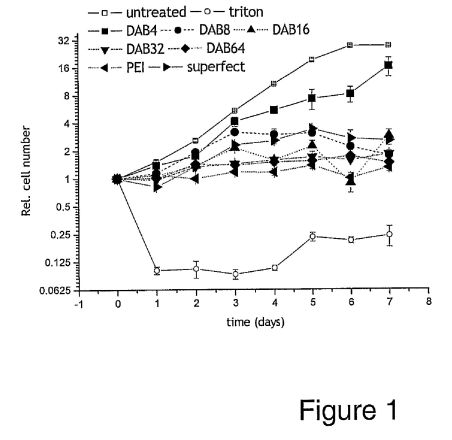
The invention uses cationic polyamine polymers and dendrimeric polymers that possess intrinsic anti-proliferative activity and can also serve as delivery vehicles for therapeutic DNA or proteins. Targeted delivery is achieved via transferrin-mediated transport or hyaluronic-acid conjugation to CD44 receptors, leading to tumour cell apoptosis and tumour regression in animal models.
Principles
- Intrinsic anti-proliferative activity of cationic polymers
- Targeted delivery via transferrin receptor binding
- Gene therapy using plasmid DNA encoding therapeutic proteins
- Dendrimer-mediated gene transfection and drug delivery
Scientific Domains
Materials
- Cationic polyamine polymers
- Polypropylenimine dendrimers (e.g., DAB16)
- PAMAM dendrimers
- Linear polyethylenimine (PEI)
- Transferrin protein
- Plasmid DNA encoding TNF-alpha
- Hyaluronic acid
- Iron (carrier in transferrin)
Mechanisms of Action
- Induction of apoptosis in tumour cells
- Inhibition of tumour cell proliferation
- DNA delivery to tumour cells via transferrin or dendrimer carriers
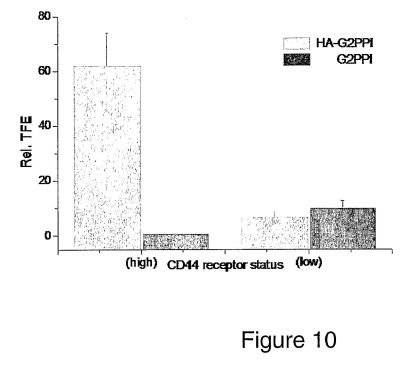
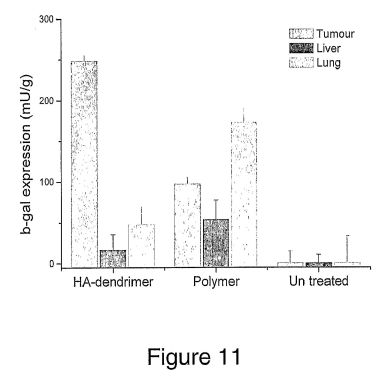
- Targeted binding to CD44 receptors using hyaluronic-acid conjugates
Applications
- Cancer treatment
- Anti-proliferative therapy
Claimed Performance
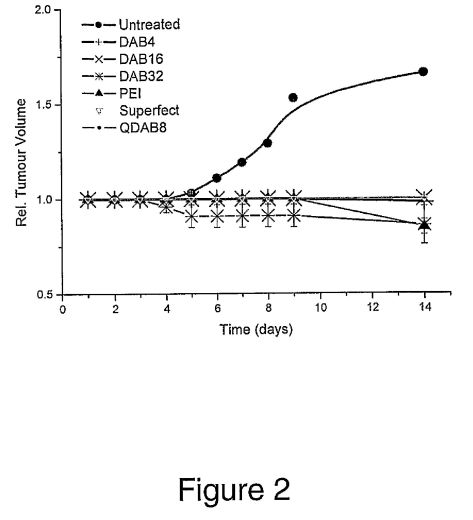
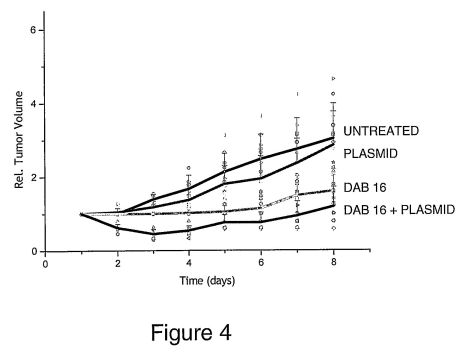
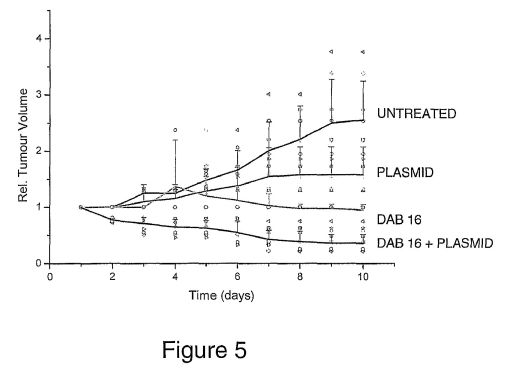
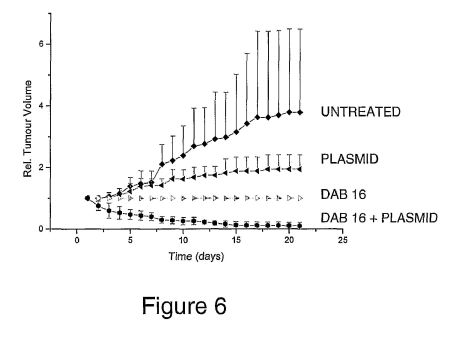
Complete tumour disappearance within 10 days in mouse models; significant inhibition of tumour growth in multiple xenograft studies.
Experimental Evidence
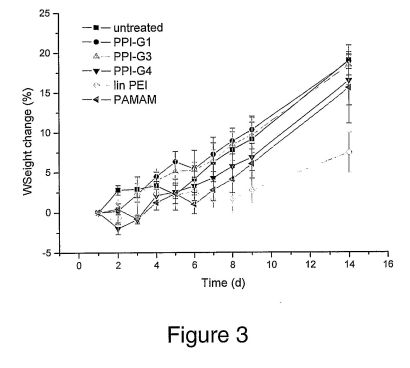
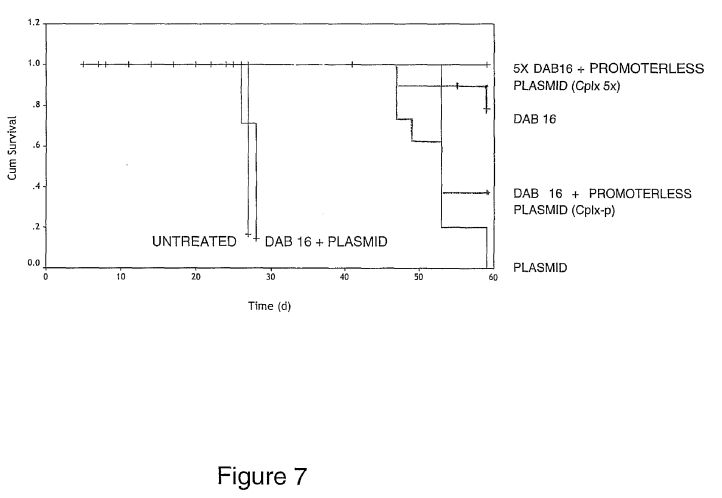
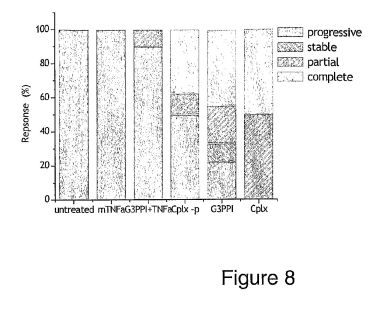
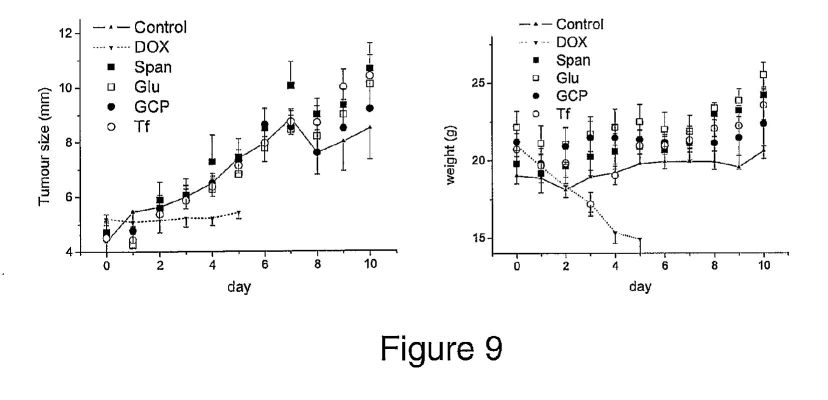
In vivo mouse xenograft experiments showing tumour volume reduction, complete response in some groups, and minimal body-weight loss, supporting anti-tumour activity of the polymers and their complexes.
Limitations
- Evidence limited to pre-clinical animal models
- Potential toxicity of cationic polymers
- Delivery efficiency and targeting specificity not yet proven in humans
Red Flags
- Potential cytotoxicity of cationic polymers
- Claims of complete tumour disappearance without clinical trial data