Goal
Produce more usable energy than is supplied, providing cheap heating and water desalination.
Problem
High cost of energy and scarcity of drinking water.
Concept Summary
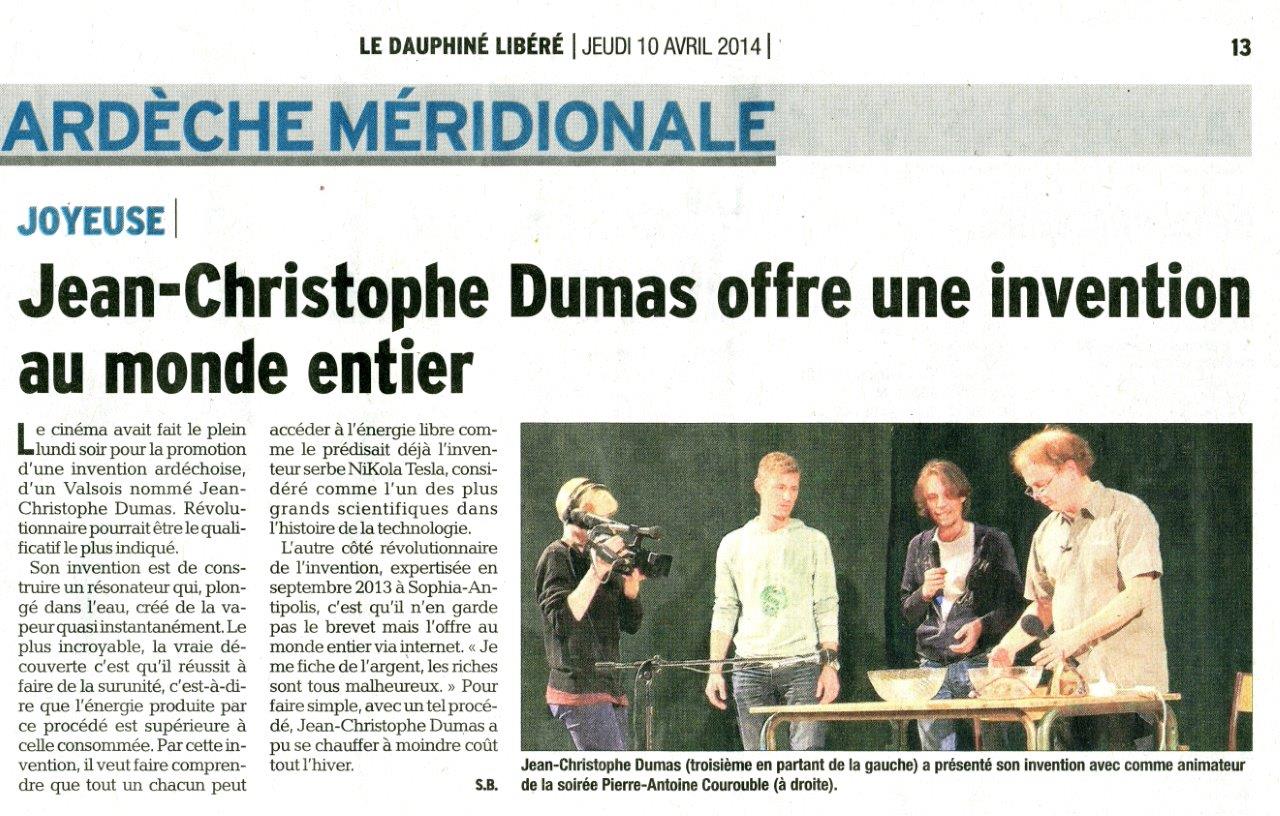
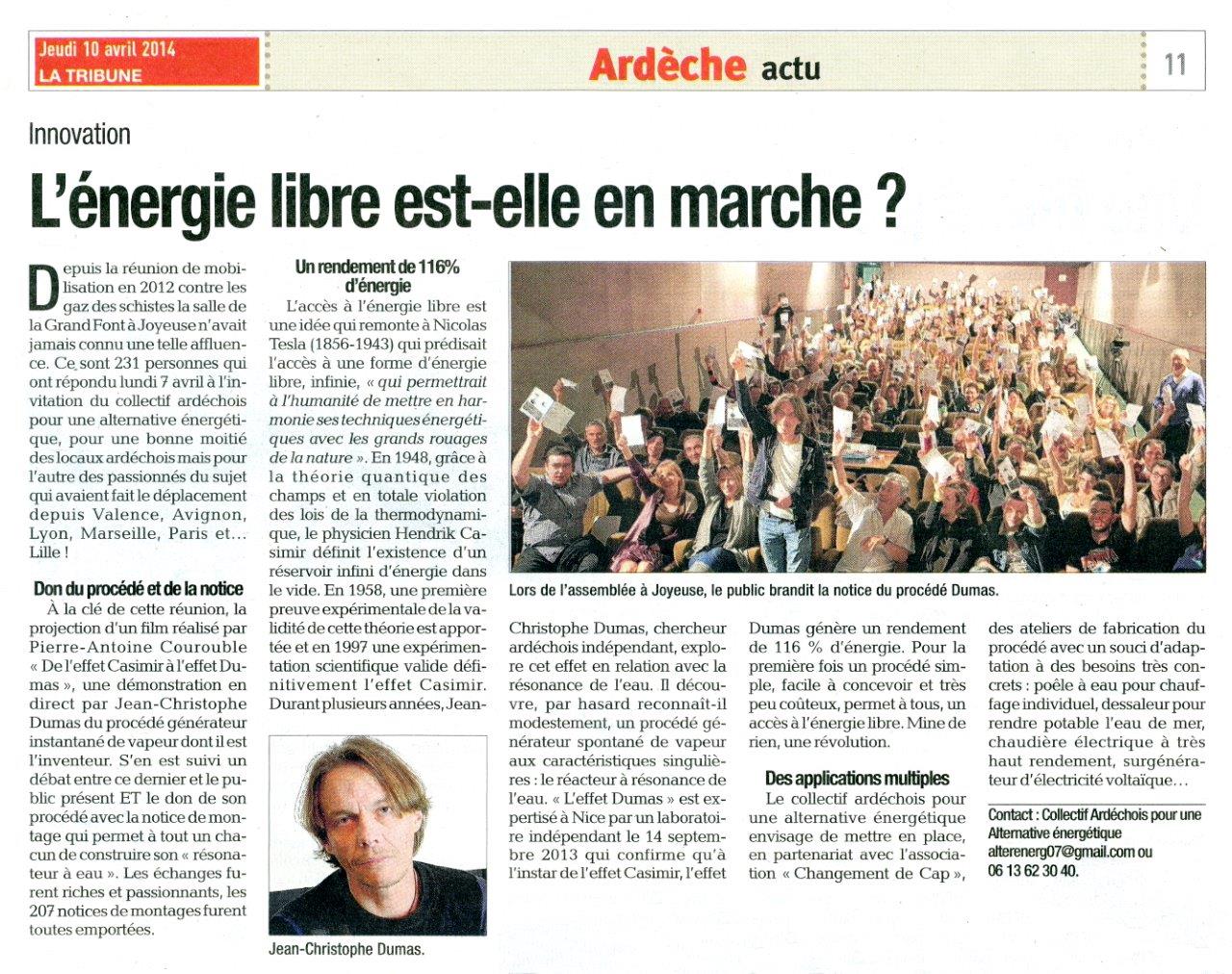
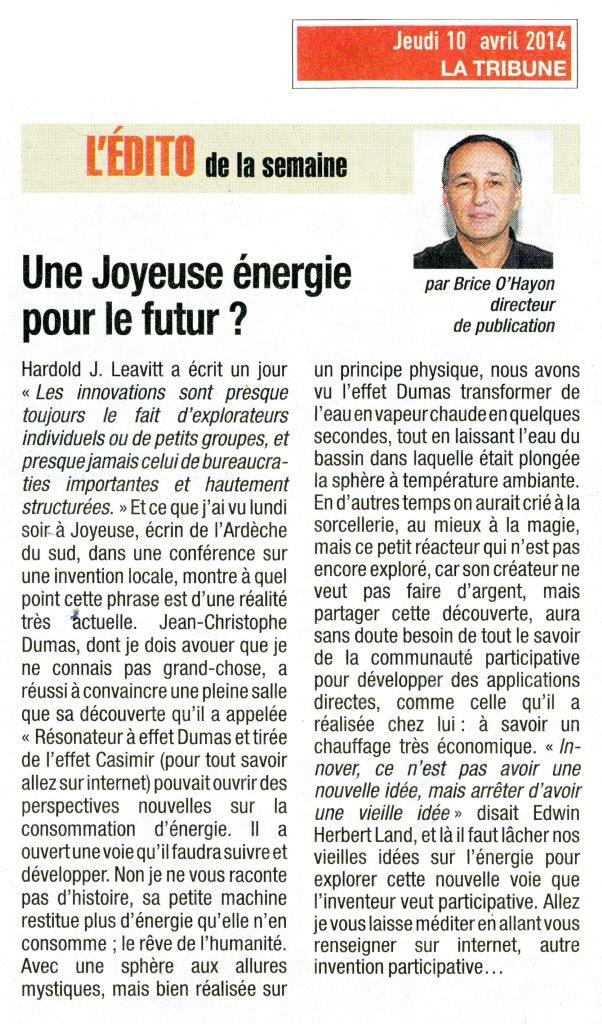
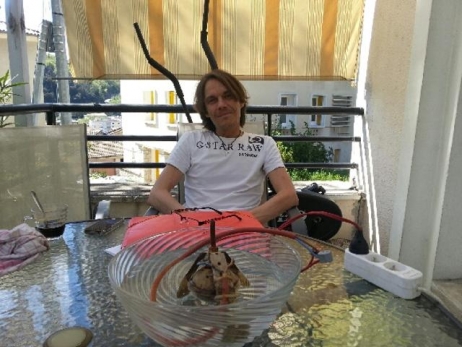
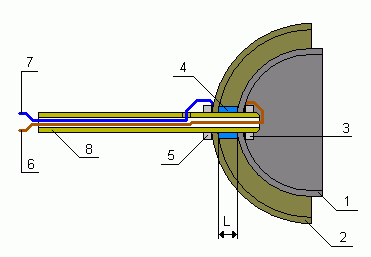
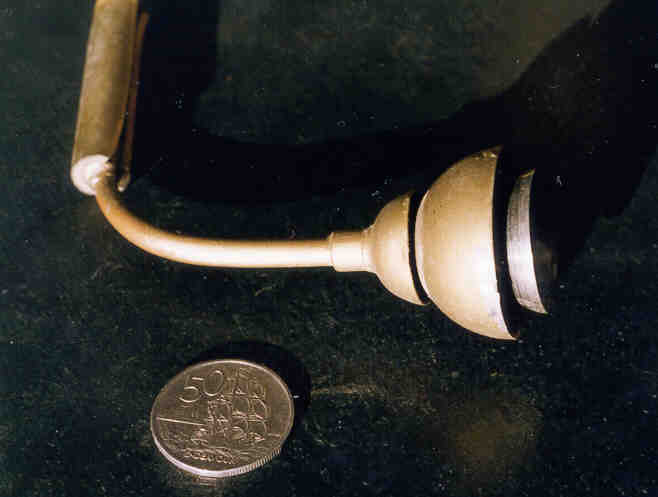
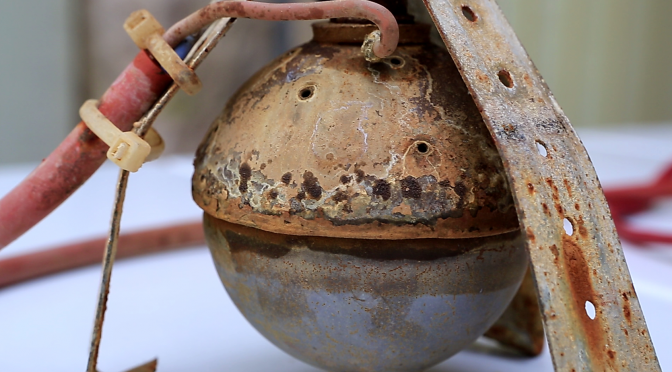
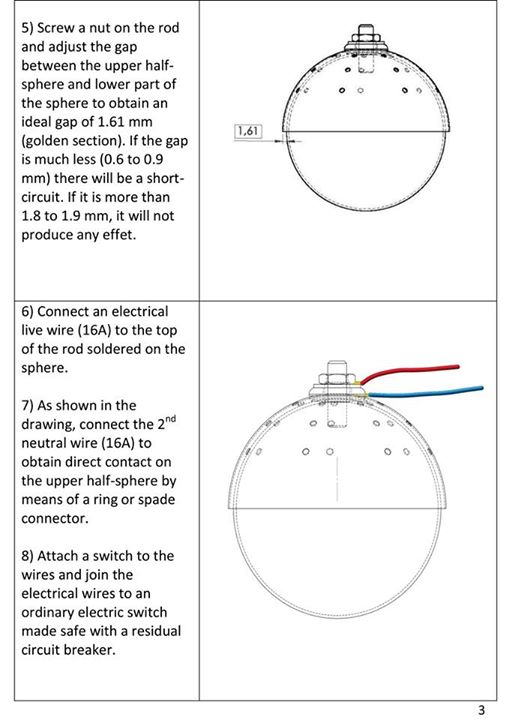
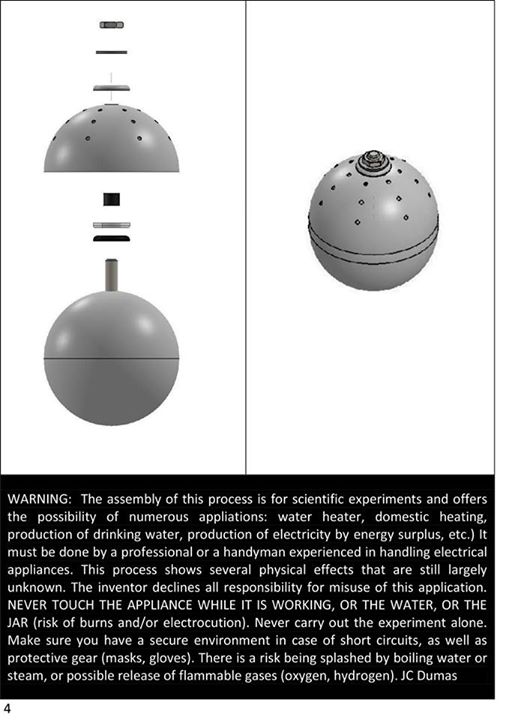
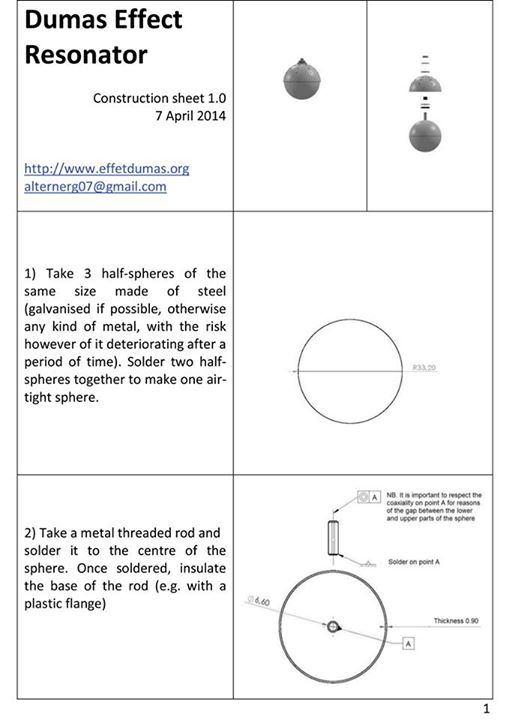
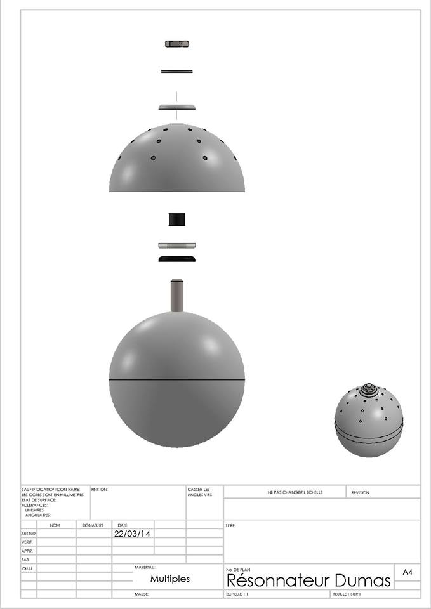
The Dumas effect claims that a simple immersion heater consisting of a water container, a steel ball, and a switch can generate steam and heat with an efficiency of 116 % by exploiting a resonance phenomenon linked to the Casimir effect. The device is presented as a free-energy source for heating and desalination.
Detailed Description
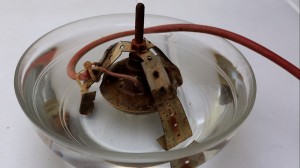
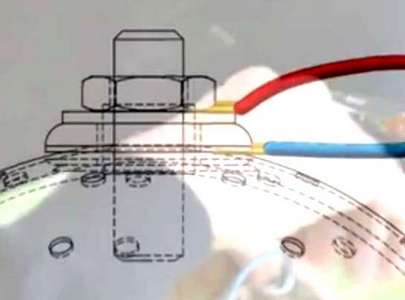
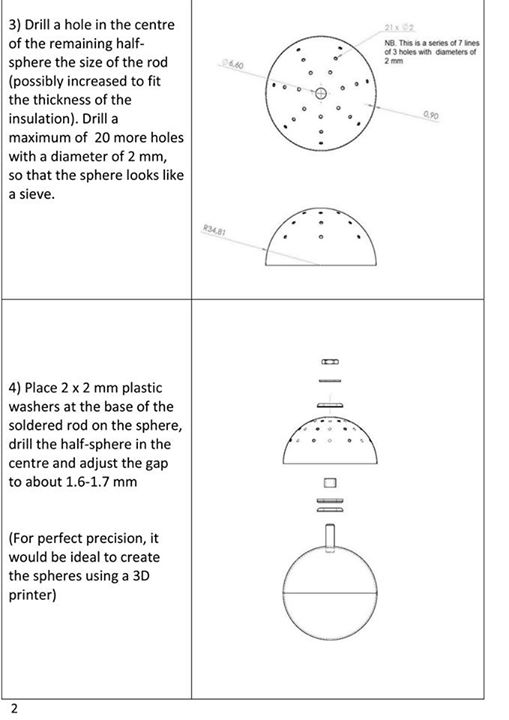
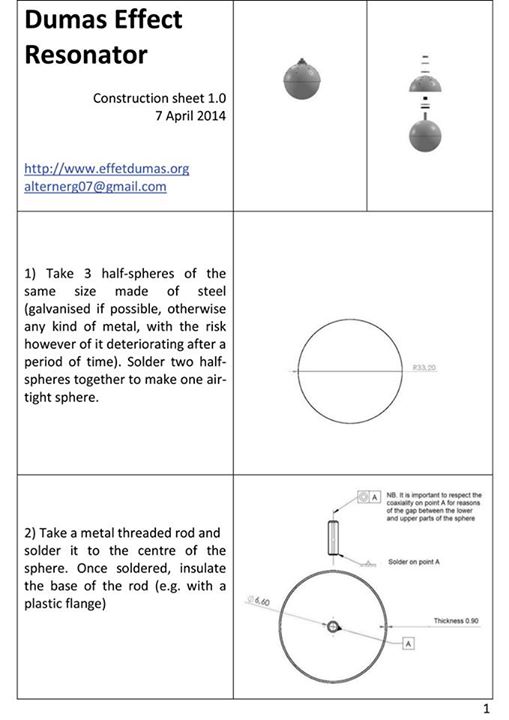
A small scrap-metal container is filled with water. A steel ball attached to a switch is immersed in the water. When the switch is activated the reactor resonates, producing a slight noise and causing the water to flash into steam instantly. The steam escapes from the container, providing heat. The inventor describes the system as inexpensive, easy to build, and capable of delivering more energy than the electrical input. Independent laboratory appraisal (14 Sep 2013) and later experiments by George Wiseman (copper plates in de-ionised water, AC/DC power) reported faster heating and steam generation than a comparable electric element, suggesting an over-unity effect.
Principles
- Casimir effect
- Resonance
- Over-unity heating
- Steam generation
Scientific Domains
Materials
- Water
- Steel ball
- Copper plates
- Plastic bolts
- Plastic washers
- Scrap steel
Mechanisms of Action
- Resonant heating of water
- Extraction of vacuum energy (Casimir-like)
- Steam production from rapid water heating
- Electrical heating via steel ball
Energy Sources
Applications
- Heating
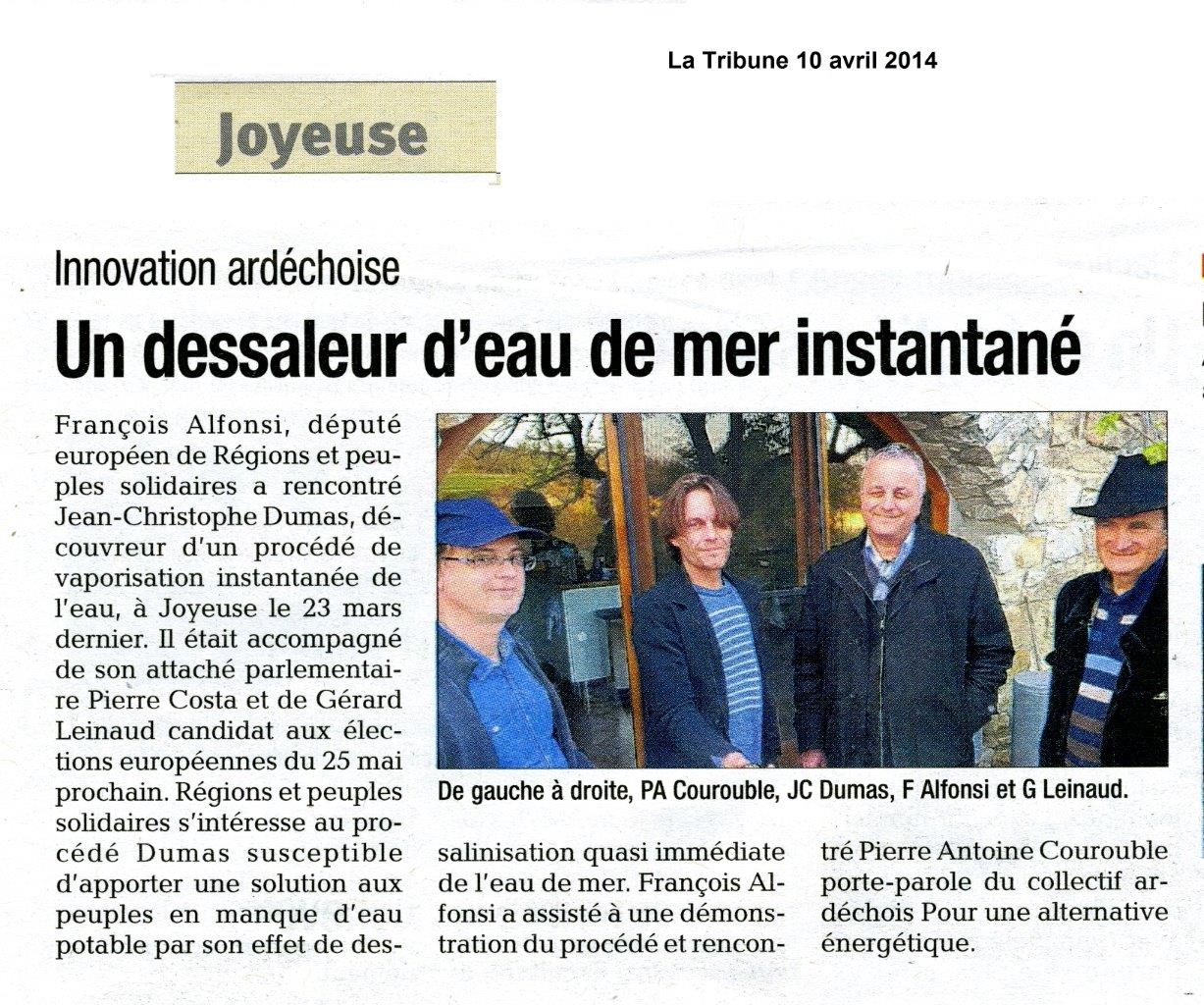
- Desalination
- Water purification
Claimed Performance
116 % efficiency (over-unity) and more than twice the heating efficiency of a conventional electric element.
Experimental Evidence
Independent laboratory appraisal (14 Sep 2013) noted a 116 % yield. George Wiseman's replicated experiments with copper plates reported heating rates twice as fast as a comparable resistive heater and steam generation with negligible gas production, suggesting over-unity heat.
Replication Status
Replicated by George Wiseman and other independent experimenters (as reported in correspondence and his Brown's Gas book).
Limitations
- No peer-reviewed data
- Claims conflict with established thermodynamics
- Requires very pure water
- Copper plates degrade during operation
Red Flags
- Free-energy claim violates conservation of energy
- Lack of independent, peer-reviewed validation
- Potential for fraudulent or scam activity