Goal
Convert heat received from the surrounding medium into mechanical work with very high efficiency.
Problem
Low conversion efficiency of conventional heat engines that use ambient or waste heat.
Concept Summary
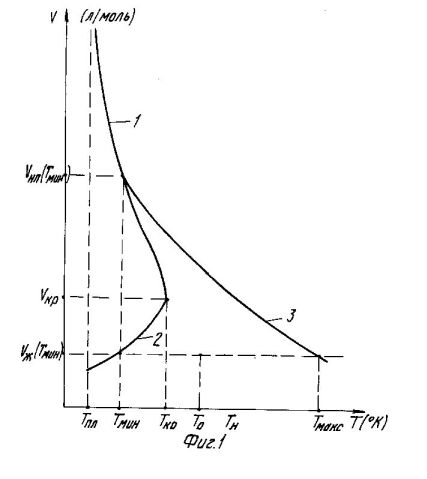
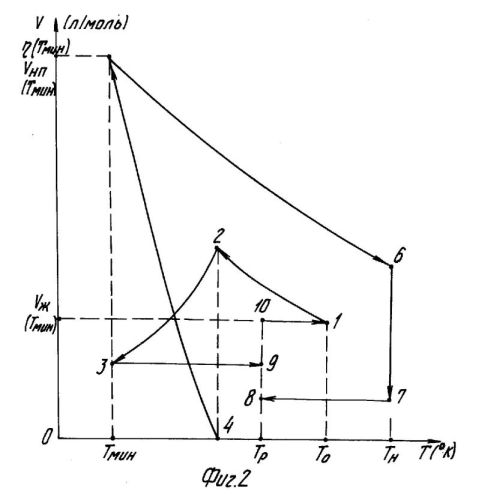
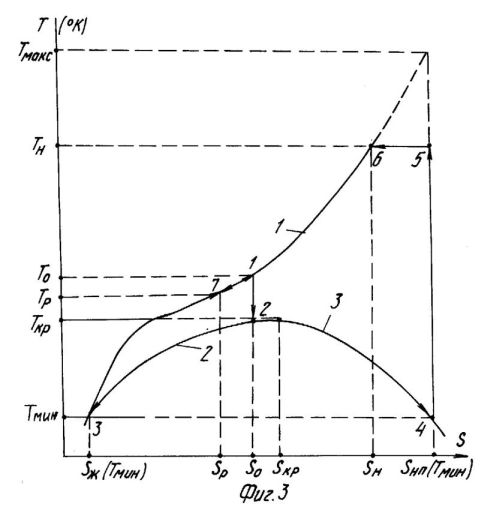
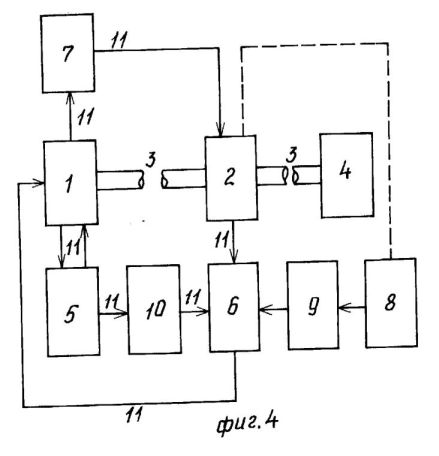
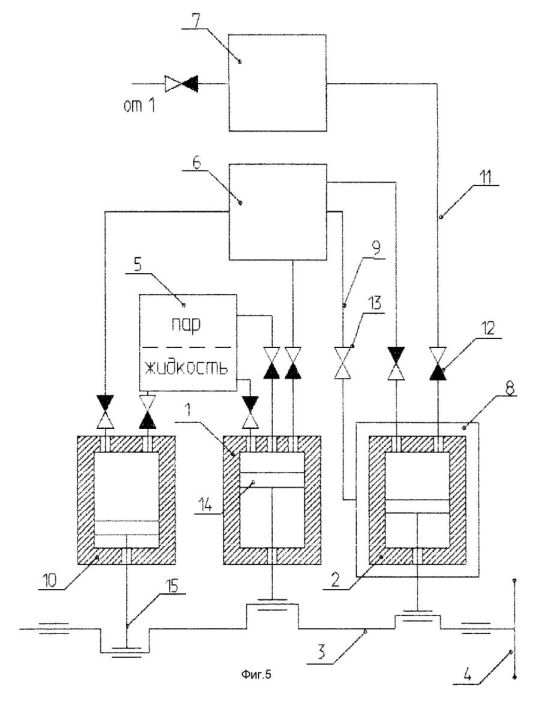
A closed thermodynamic cycle in which the liquid and steam phases of the working medium are separated at the minimum cycle temperature. The gaseous phase is then adiabatically compressed to the heater temperature. The piston engine is divided into two blocks: one block is in direct heat contact with the heater, while the other block is adiabatically insulated. This arrangement is claimed to improve the conversion efficiency of heat to mechanical work.
Detailed Description
The invention proposes a method and device for converting heat received by the working medium of a heat engine from a heater (or surrounding medium) into mechanical work. The working cylinders are split into two sections. In the first section the cylinder is in thermal contact with a heat source, allowing the liquid phase of water to absorb heat. At the minimum cycle temperature the liquid and steam phases are separated. The steam (gaseous phase) is then compressed adiabatically, raising its temperature to that of the heater. The second cylinder block is thermally insulated, preventing heat loss during the compression and expansion strokes. By using standard piston-engine components and this two-block arrangement, the cycle aims to reduce irreversibilities and achieve near-perfect thermodynamic efficiency.
Principles
- Thermodynamics
- Phase separation
- Adiabatic compression
- Heat insulation
Scientific Domains
Materials
- Water
- Steel
Mechanisms of Action
- Separation of liquid and steam at low temperature
- Adiabatic compression of vapor to heater temperature
- Piston work conversion in insulated and heated blocks
Energy Sources
Applications
- Power generation from waste heat
- Small-scale mechanical power generation
Claimed Performance
Near-perfect efficiency; improved conversion of heat energy into mechanical energy.
Experimental Evidence
The article provides only a theoretical description and claims of improved efficiency; no quantitative experimental data are presented.
Limitations
- Requires efficient adiabatic compression of steam
- No experimental validation presented
- Potential complexity of two-block cylinder design
Red Flags
- Lack of quantitative performance data
- Claims of near-perfect efficiency without experimental backing