Goal
Provide a clutch-less, infinitely variable gearbox that can smoothly transition from forward through neutral to reverse while transmitting power solely through gear teeth.
Problem
Conventional gearboxes use a fixed set of ratios and require clutches or friction-based CVTs, which introduce slip, wear, and efficiency losses.
Concept Summary
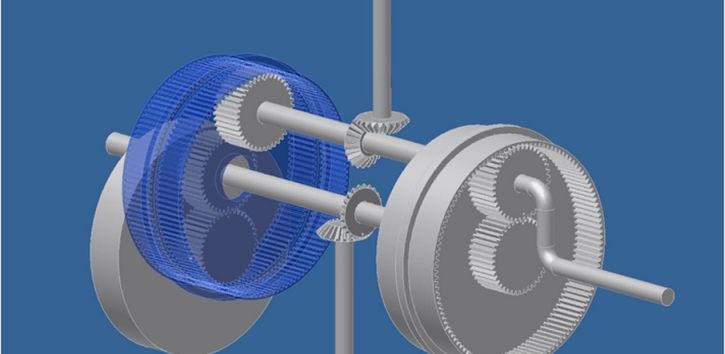
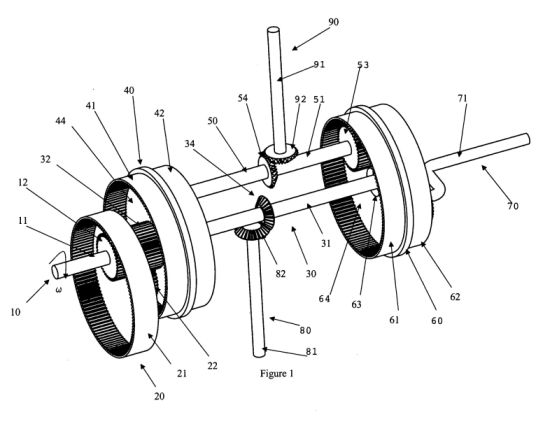
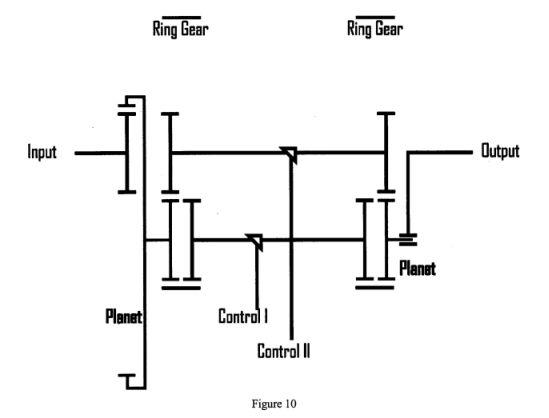
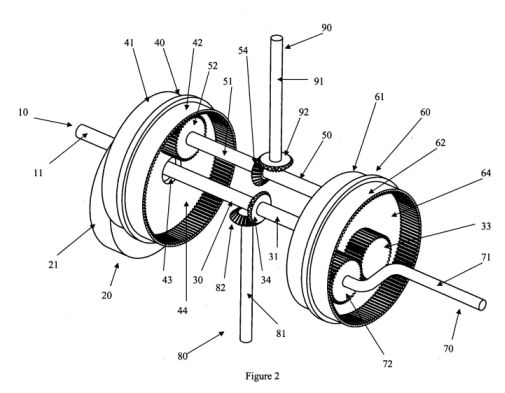
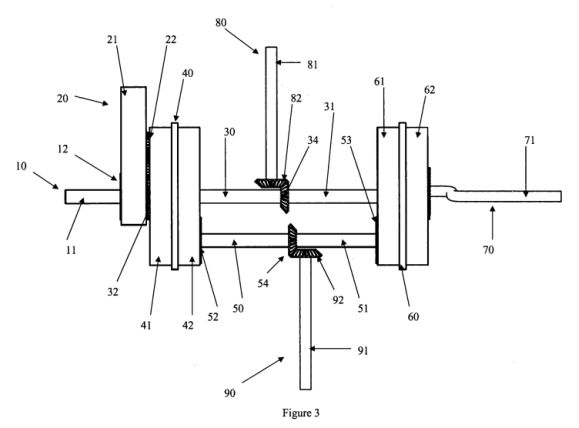
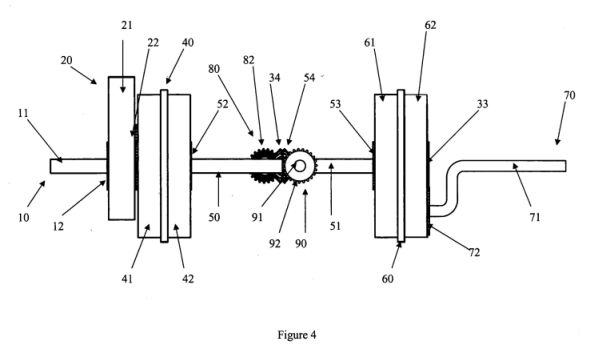
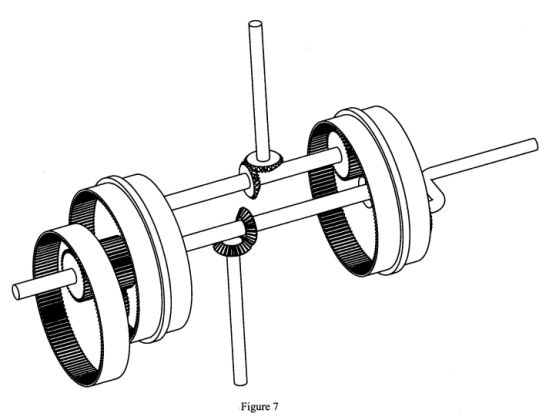
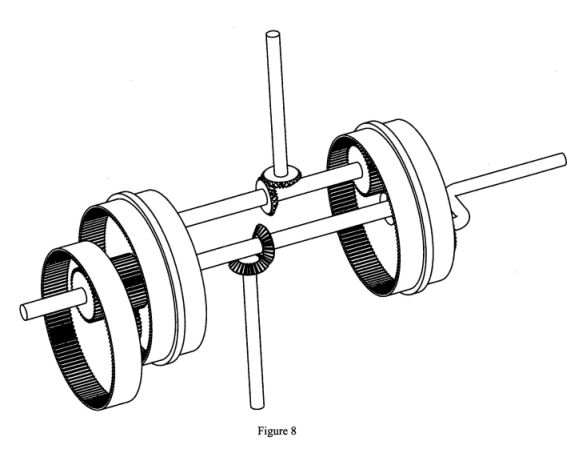
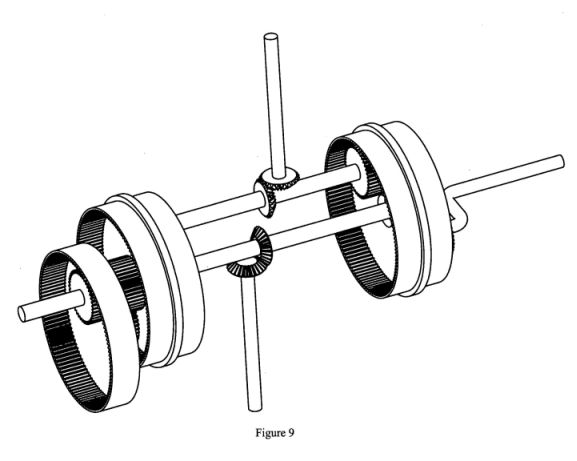
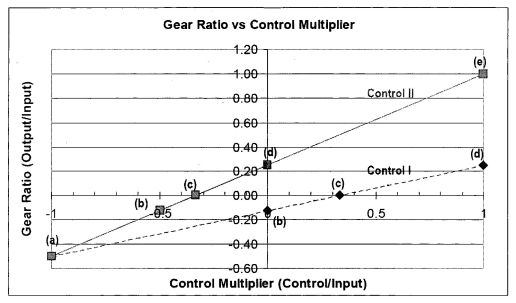
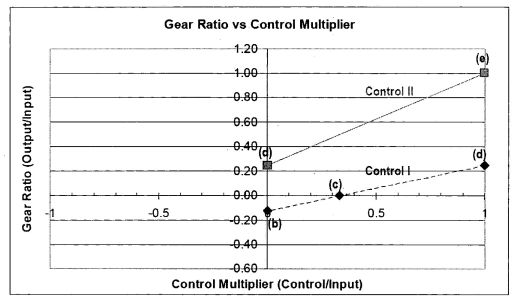
The D-Drive uses planetary gear sets on both sides of the transmission with two control shafts (upper and lower) whose relative speeds determine the output ratio. By driving these shafts with a small auxiliary motor (or kinetic-energy recovery), the gear ratio can be varied continuously from full forward to full reverse without any friction-drive components.
Detailed Description
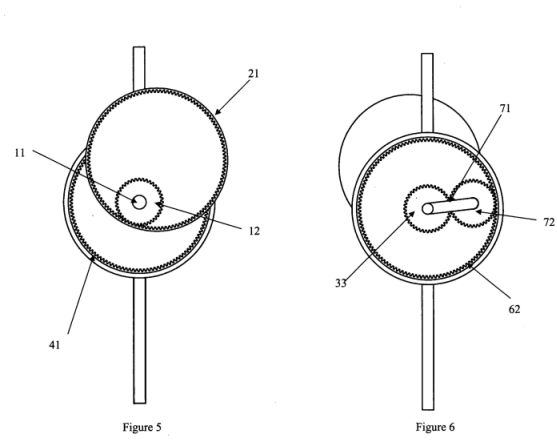
A central flywheel component combines a ring gear and planet gears. Input rotation drives the flywheel, while the relative orbital motion of the upper and lower control shafts, linked to planetary gear carriers, sets the output speed and direction. The system can be controlled electrically, mechanically, or manually, allowing infinite ratio variation while power flows through robust gear teeth and bearings.
Principles
- Planetary gear mechanics
- Mechanical advantage via gear ratio
- Continuous ratio control through differential shaft speeds
Scientific Domains
Materials
- Steel
- Metallic alloys
- Bearings
Mechanisms of Action
- Power transmission through gear teeth
- Speed modulation of control shafts
- Interaction of sun, planet, and ring gears
Energy Sources
Applications
- Automotive transmissions
- Motorcycles
- Trucks
- Industrial and farm equipment
- Marine propulsion
- Wind turbine gearboxes
Claimed Performance
The inventor claims the D-Drive can be "an order of magnitude more efficient" than existing gearboxes.
Experimental Evidence
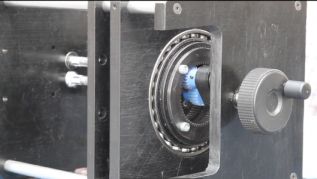
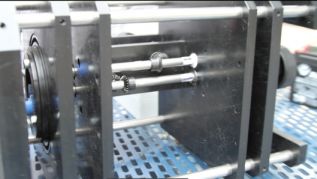
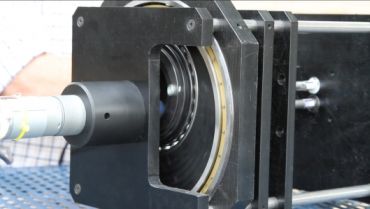
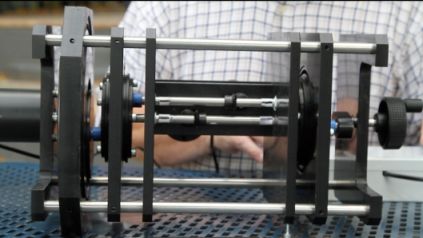
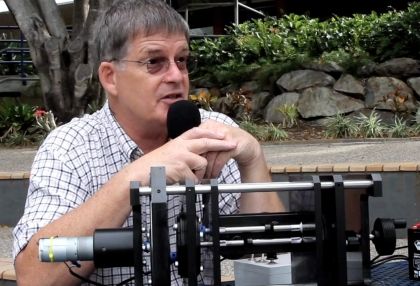
A demonstration prototype has been built and shown in a video; no quantitative efficiency data or independent testing is reported.
Replication Status
Prototype demonstrated; no independent replication or commercial scaling reported.
Limitations
- Requires precise control of auxiliary shaft speeds
- No published quantitative efficiency data
- Complexity of control mechanism may affect reliability at high torque
Red Flags
- Lack of peer-reviewed performance data
- Claims of "order of magnitude" efficiency not substantiated