Goal
Induce rapid growth and primitive phenotypes in plants and animals without genetic engineering, providing high-yield, low-input crops and resurrecting extinct animal traits.
Problem
Food security, reliance on genetically engineered seeds, high fertilizer/pesticide use, and the need for fast-growing crops in short-season regions.
Concept Summary
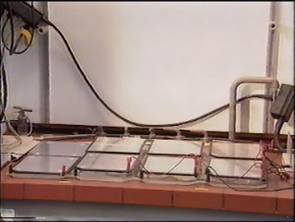
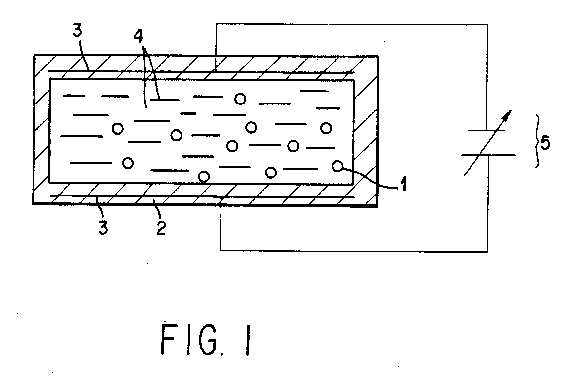
Seeds and fish eggs are exposed to a high-voltage electrostatic field (no current flow). The field is claimed to trigger latent genetic programs, producing 'primeval' organisms such as corn with many ears, wheat ready in weeks, and extinct-type trout. The process is patented and has been reportedly replicated in a university laboratory.
Detailed Description
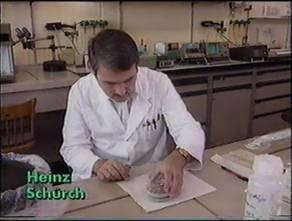
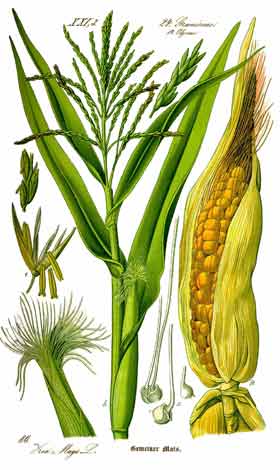
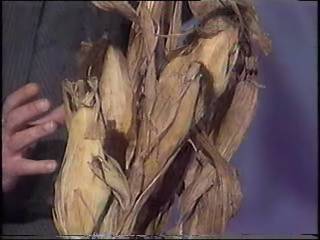
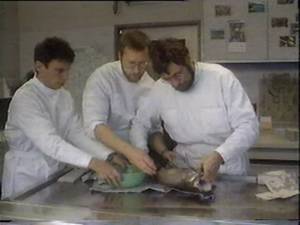
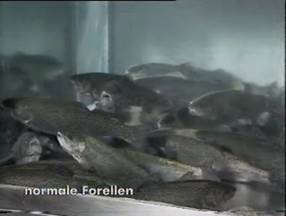
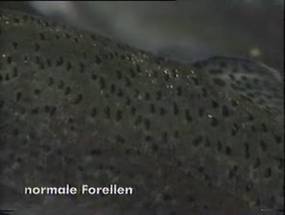
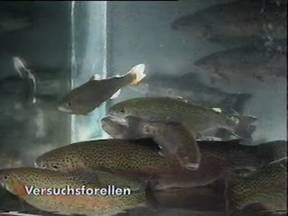
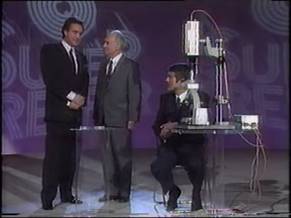
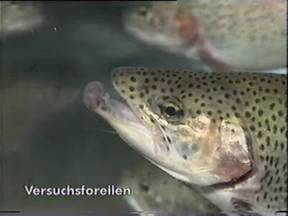
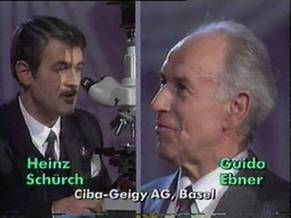
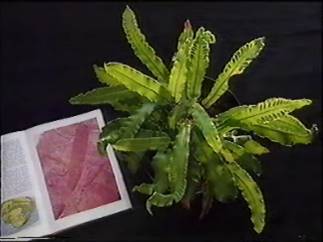
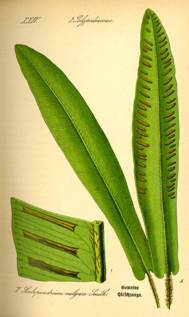
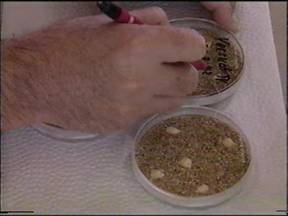
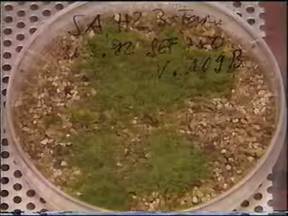
In laboratory experiments conducted at Ciba-Geigy, cereal seeds and fish eggs were placed in a static electric field generated by a high-voltage DC source (several thousand volts). The field is described as 'electrostatic' because no current passes through the material. After exposure (typically a few days), the treated seeds were cultivated under normal conditions. Observed results included: a fern species not identifiable by botanists, corn bearing up to twelve ears per stalk, wheat reaching maturity in four-to-six weeks, and trout resembling a species extinct in Europe for 130 years. The authors attribute these changes to a non-mutagenic alteration of gene expression-essentially a retrieval of ancient genetic information-rather than the introduction of new genes. Replication was claimed by Prof. Gunter Rothe at the University of Mainz in 2001, and positive statements were made by botanists and Nobel laureate microbiologist Werner Arber.
Principles
- Exposure to a high-voltage electrostatic field (no current flow)
- Activation of latent genetic programs via field-induced gene expression changes
- Rapid phenotypic development without DNA alteration
Scientific Domains
Materials
- Cereal seeds (corn, wheat, barley)
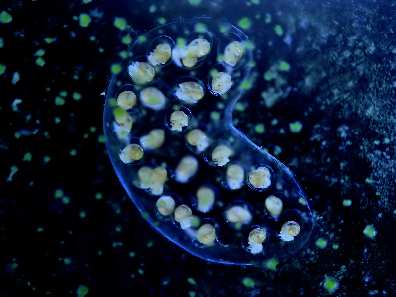
- Fish eggs (trout)
- Petri dishes
- Artificial soil medium
- Water
Mechanisms of Action
- Static electric field influences cellular ion distributions
- Modulation of gene expression pathways
- Stimulation of growth hormones and developmental pathways
Energy Sources
Applications
- Food production in developing countries
- Low-input agriculture
- Rapid crop cycles for short-season regions
Claimed Performance
Corn with up to twelve ears per stalk; wheat ready for harvest in four to six weeks (instead of seven months); giant trout resembling an extinct European species; larger root systems and higher germination rates.
Experimental Evidence
Replication of the Ciba experiments by Prof. Gunter Rothe at the University of Mainz in 2001; video documentation of live demonstrations; patent filings; statements from botanists and Nobel laureate Werner Arber expressing impression.
Replication Status
Replicated successfully at University of Mainz (2001) as reported in the article.
Limitations
- Lack of peer-reviewed, quantitative data
- Mechanistic explanation remains speculative
- Scalability of high-voltage field exposure not demonstrated
- Potential regulatory hurdles for novel agricultural methods
Red Flags
- Extraordinary claims (resurrecting extinct traits) without rigorous scientific validation
- Reliance on anecdotal reports and a single university replication
- Potential pseudoscientific language (e.g., "genetic memories")