Goal
Provide thin, lightweight, high-efficiency lighting panels that can replace incandescent and fluorescent sources.
Problem
Conventional lighting (incandescent, fluorescent, LED) is bulky, heavy, and often requires ballast or heavy housing; need for flexible, thin, efficient light sources.
Concept Summary
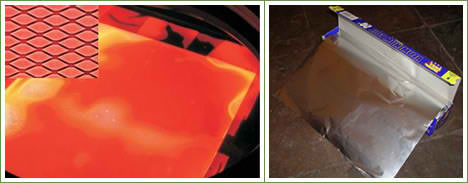
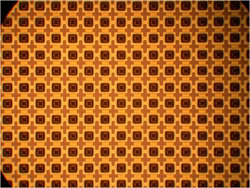
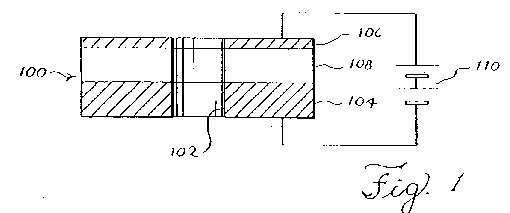
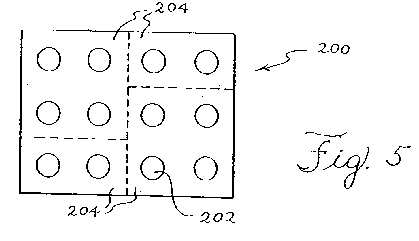
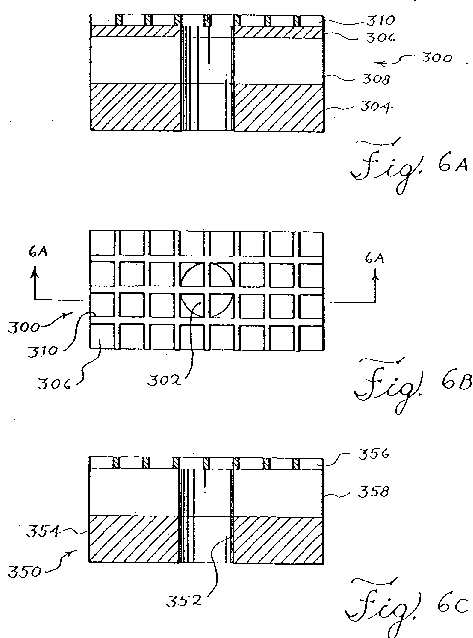
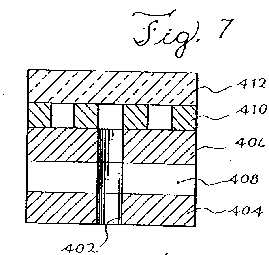
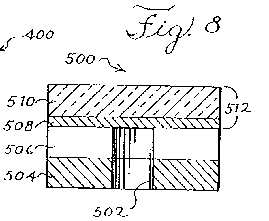
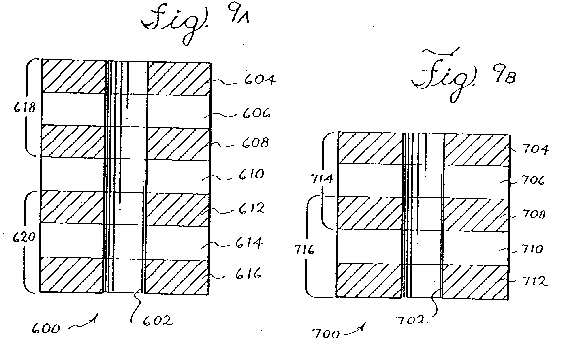
A microcavity plasma lamp consists of two sheets of aluminum foil separated by a thin sapphire (aluminum oxide) dielectric. Microscopic cavities are drilled through the upper foil and dielectric, filled with a low-pressure gas, and sealed with a glass window coated with phosphor. When an electric voltage is applied, a glow discharge ignites in each cavity, producing light that is converted by the phosphor to visible (or UV) wavelengths. Arrays of hundreds of thousands of such lamps form a flat panel only ~0.8 mm thick.
Principles
- Glow discharge in microcavities
- Electron impact excitation of gas atoms
- Phosphor fluorescence conversion to visible light
- Thin-film dielectric insulation
Scientific Domains
Materials
- Aluminum foil
- Sapphire (aluminum oxide) dielectric
- Glass window
- Phosphor film
- Polymer packaging (for flexible arrays)
- Low-pressure gas (e.g., noble gas)
Mechanisms of Action
- Electrical voltage creates plasma in micro-cavities
- Excited gas atoms emit UV photons
- Phosphor coating absorbs UV and re-emits visible light
Energy Sources
Applications
- Residential lighting
- Commercial lighting
- Biomedical UV therapy (photo-therapeutic bandages)
- Curved-surface lighting (e.g., windshields)
Claimed Performance
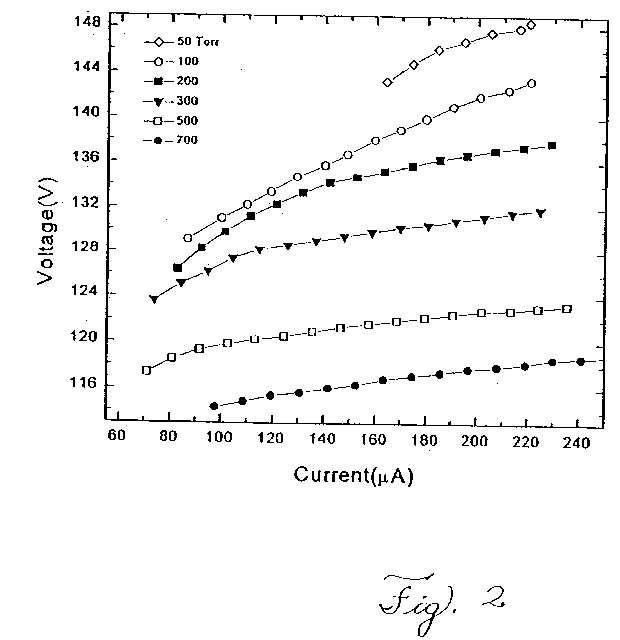
Measured luminous efficacy of 15 lm/W; expected >30 lm/W after optimization of array design and phosphor geometry.
Experimental Evidence
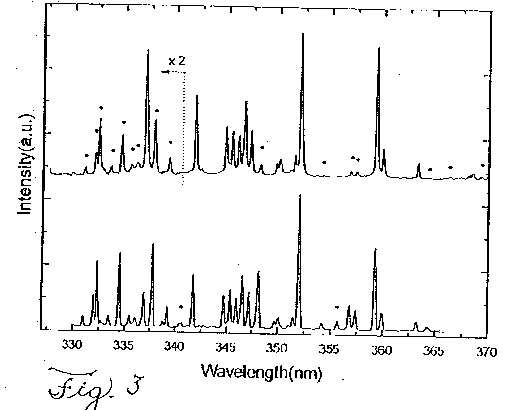
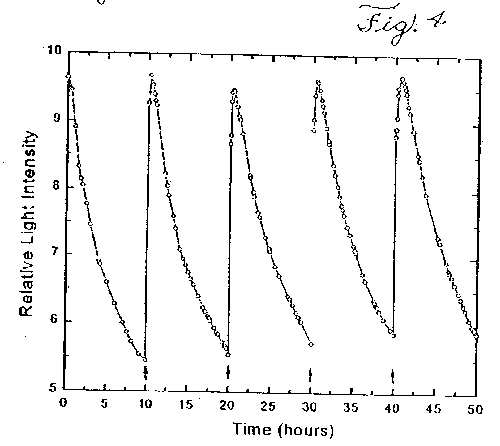
Preliminary plasma lamp experiments recorded 15 lm/W; panels with >250,000 lamps fabricated; flexible polymer-sealed arrays demonstrated.
Replication Status
Demonstrated in laboratory by University of Illinois researchers; no independent replication reported.
Limitations
- Requires gas fill and high voltage drive
- Current efficiency lower than state-of-the-art LEDs
- Scalability of manufacturing thin-film microcavities not yet proven
Red Flags
- None identified