Goal
To induce therapeutic relaxation, improve health, and alleviate various physical and mental ailments by electrically connecting polar body regions of one or more individuals.
Problem
Fatigue, insomnia, high blood pressure, rheumatism, lumbago, sciatica, mental and nervous disorders, and general poor health.
Concept Summary
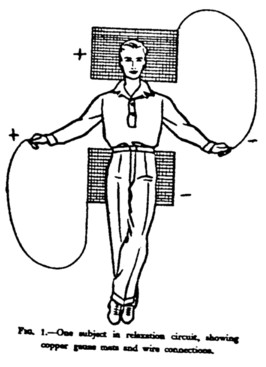
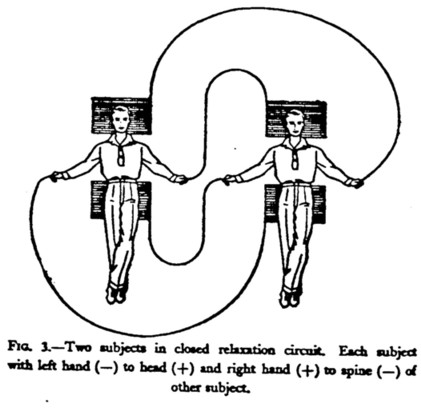
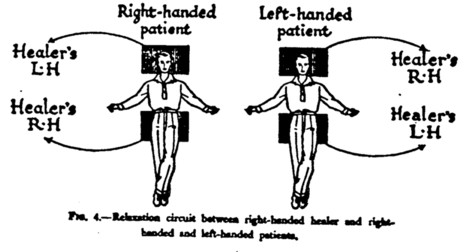
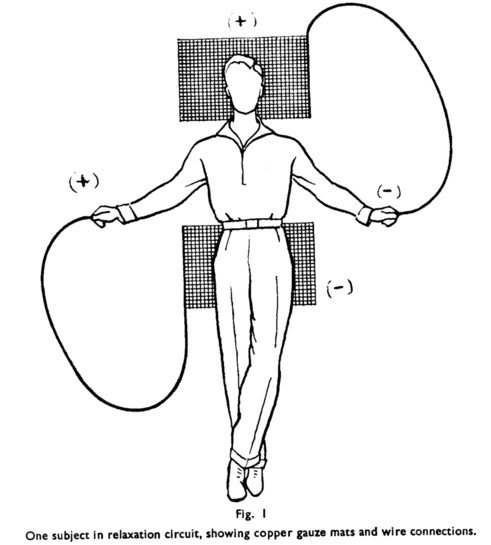
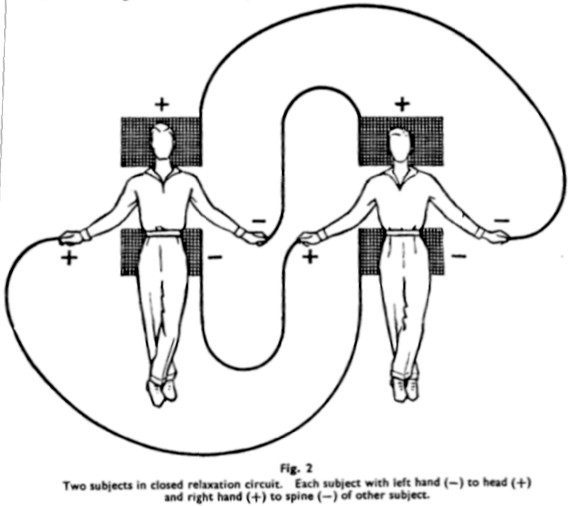
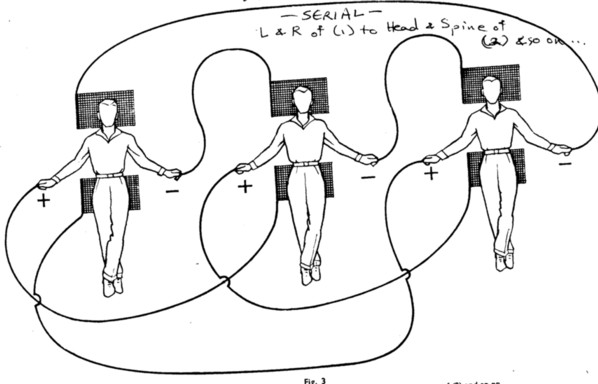
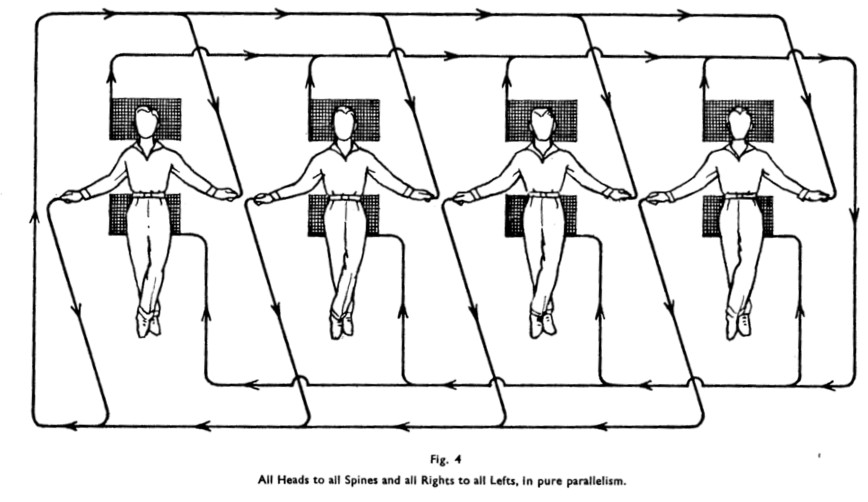
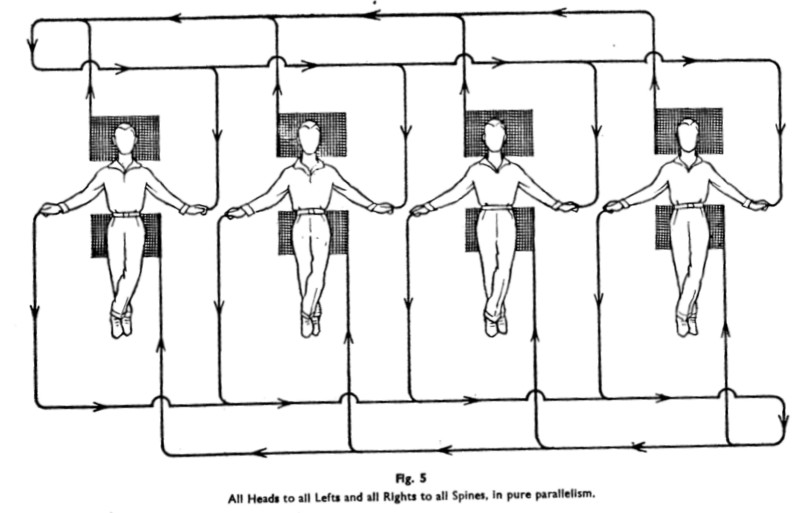
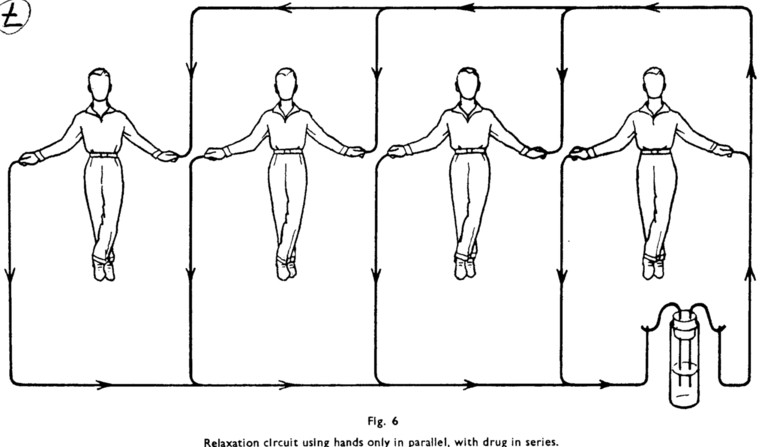
The system uses insulated copper wires and copper screen mats to create electrical circuits that connect opposite (relaxation) or similar (tension) bodily polarities (head-feet, right-left, back-front) within a single person or between multiple people. The claimed effect is a modulation of a human-generated bio-current that produces relaxation or tension responses, measurable as changes in pulse, respiration, muscle tone, and subjective well-being.
Principles
- Human body exhibits bipolar polarity along three anatomical axes.
- Connecting opposite polarities (relaxation circuit) yields calming physiological effects.
- Connecting similar polarities (tension circuit) yields stimulating or tension effects.
- Bio-electric or 'radionic' emissions can be channeled via conductive wires.
Scientific Domains
Materials
- Copper wire (insulated, ~10 ft)
- Copper screen mats (~=1 ft^2)
- Metal handles
Mechanisms of Action
- Electrical conduction of human bio-currents through copper conductors.
- Modulation of nervous system activity via polarity-based circuits.
- Potential radionic (radiation-like) transmission of substance signatures.
Energy Sources
Applications
- Therapeutic relaxation and sleep aid
- Complementary treatment for chronic ailments
- Experimental drug-effect testing via bio-field transmission
Claimed Performance
Subjects report progressive muscular relaxation, warmth, drowsiness, slower pulse, slower respiration, and sleep; tension circuits produce opposite effects. Reported benefits include relief from headaches, high blood pressure, rheumatism, lumbago, insomnia, and other disorders.
Experimental Evidence
Eeman and coworkers performed thousands of documented experiments under controlled conditions, ruling out suggestion effects. Case reports covering many ailments are detailed in the book *Co-Operative Healing* (1947).
Limitations
- Lack of peer-reviewed, independent replication
- Reliance on subjective reports and anecdotal case studies
- Unclear physical mechanism and quantitative data
Red Flags
- Absence of rigorous scientific validation
- Claims of 'radionic' emissions without established physical basis
- Potential for placebo or suggestion effects despite attempts to control