Goal
Convert wave motion into electrical energy for renewable power generation.
Problem
Low-efficiency, high-maintenance wave-energy plants that are vulnerable to corrosion and extreme weather.
Concept Summary
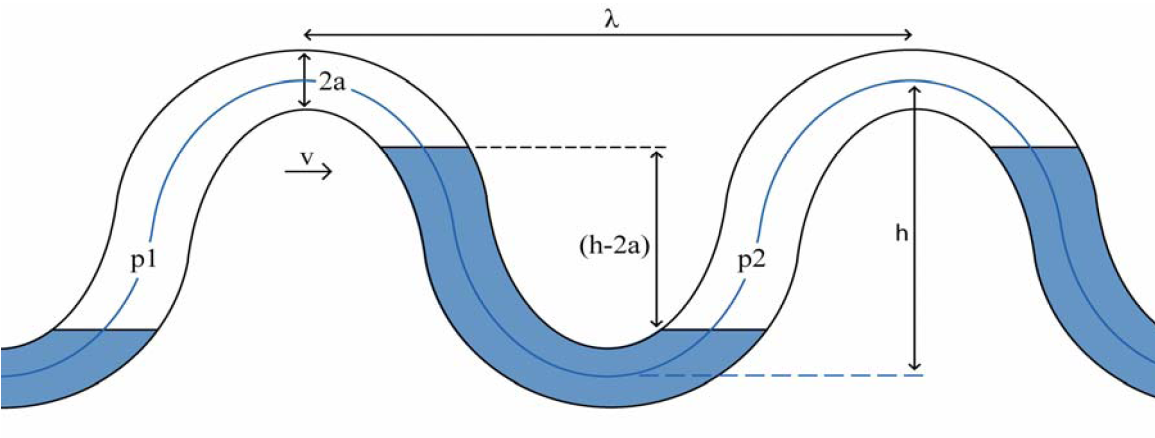
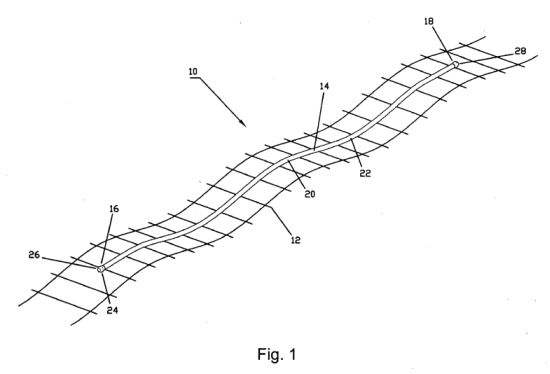
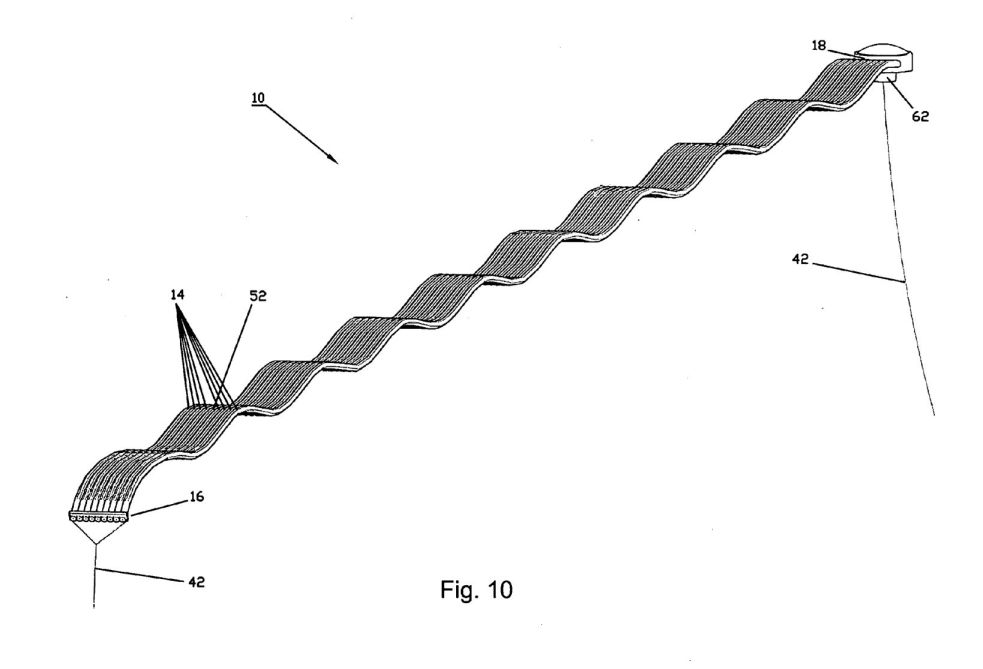
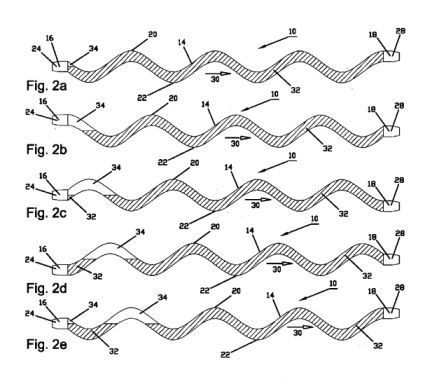
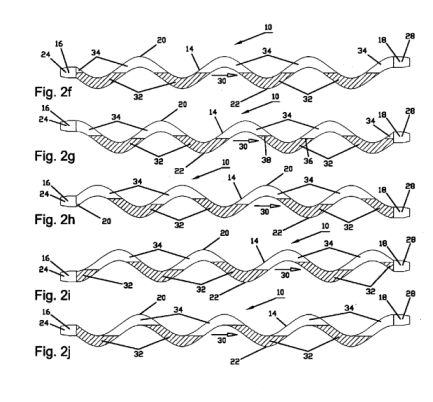
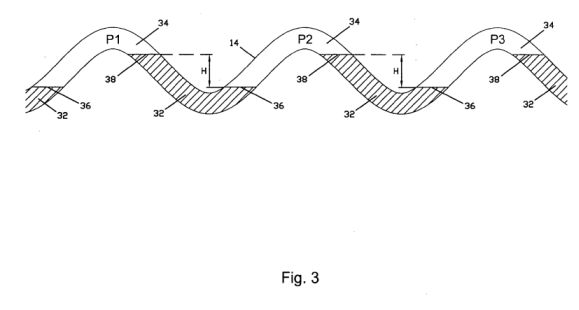
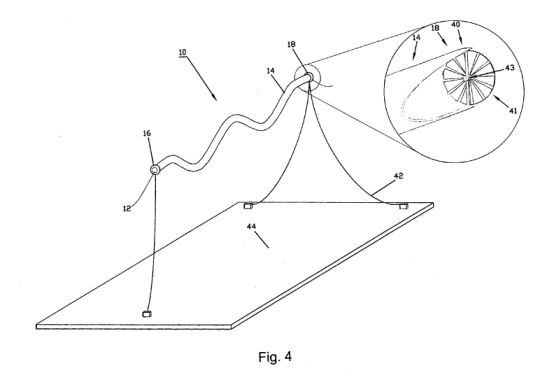
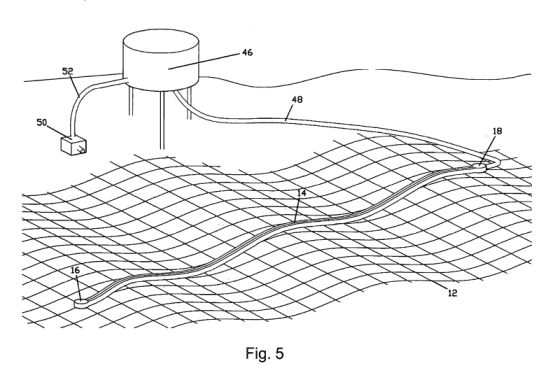
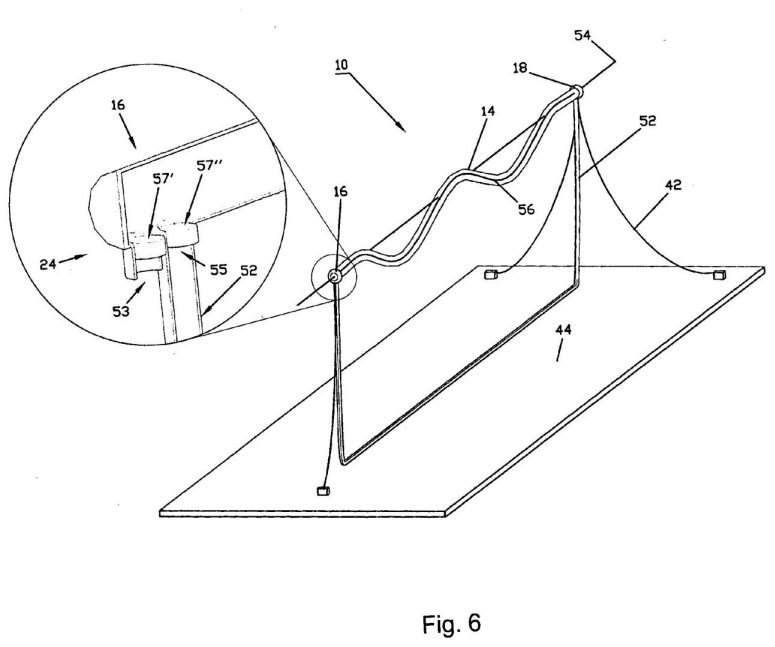
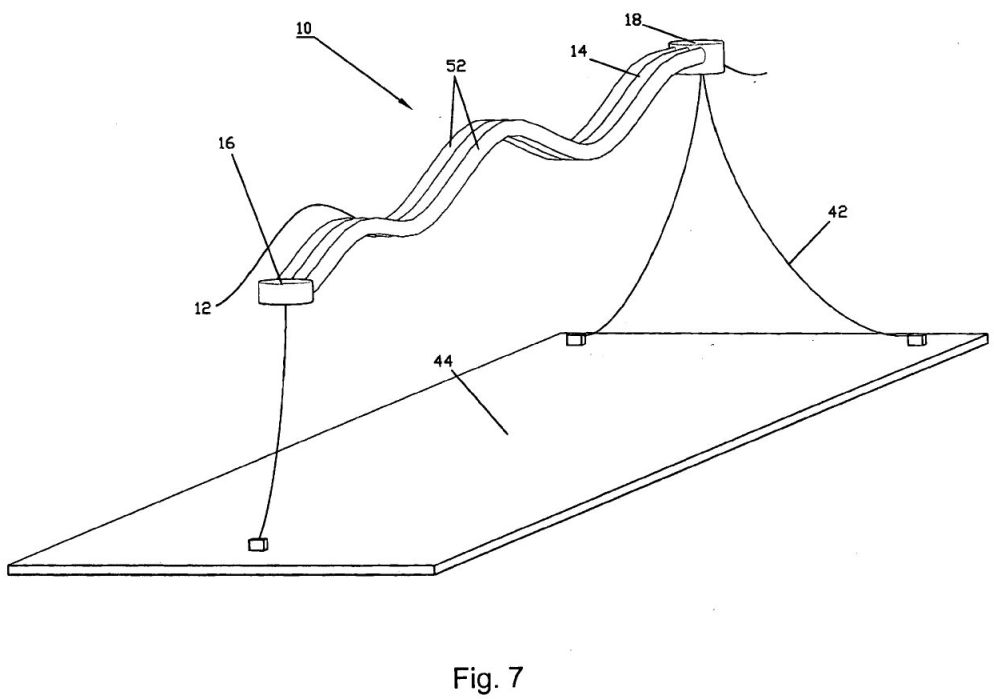
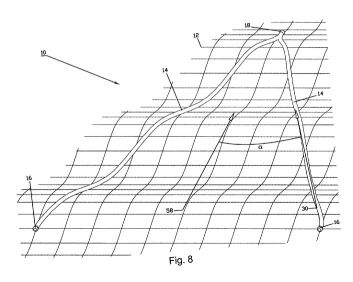
A floating flexible hose filled with alternating batches of seawater and air creates pressure differences as waves pass. The pressure variation drives a turbine-generator assembly, producing electricity. The system is simple, uses inexpensive sea water and air, and follows wave motion rather than resisting it.
Principles
- Pressure differential conversion
- Fluid density difference utilisation
- Flow-resistance control
Scientific Domains
Materials
- Sea water
- Air
- Flexible hose (rubber/polymer)
- Turbine
- Generator
Mechanisms of Action
- Wave-induced pressure variation in a flexible hose
- Alternating water-air batches generate a net pressure rise
- Turbine-generator converts pressure/flow into electricity
Energy Sources
Applications
- Renewable electricity generation
- Offshore power plants
Claimed Performance
Potential to produce large amounts of electricity at low cost; high efficiency suggested by simulations.
Experimental Evidence
CFD simulations performed by Vigor Wave Energy AB and Chalmers University; a 40-meter wave-tank test section has been constructed and is being used for further testing.
Replication Status
Test site at Chalmers University progressing; simulations completed.
Limitations
- Durability of flexible hose in harsh marine environment
- Scalability of the hose-based system
- Potential fouling of inflow/outflow passages