Goal
Increase oil production, especially heavy oil, by applying direct electric current to induce electro-osmotic flow, upgrade oil chemistry, and heat the formation, thereby reducing water use, energy consumption and environmental impact.
Problem
High water and energy demand, environmental damage, and limited depth of steam-based heavy-oil extraction methods; unprofitable fracking.
Concept Summary
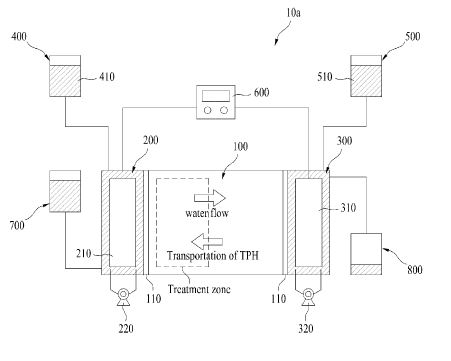
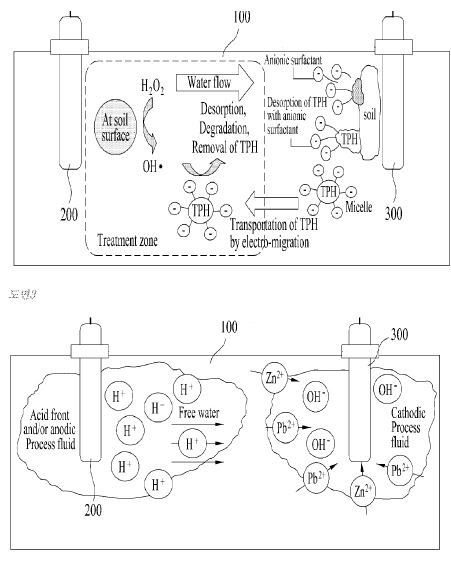
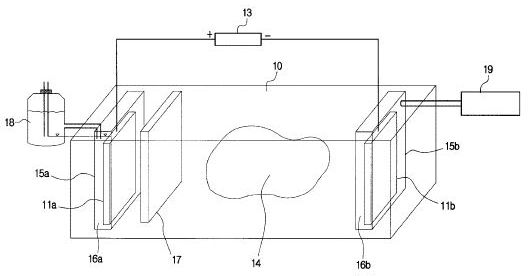
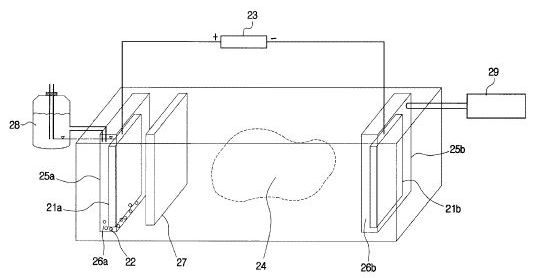
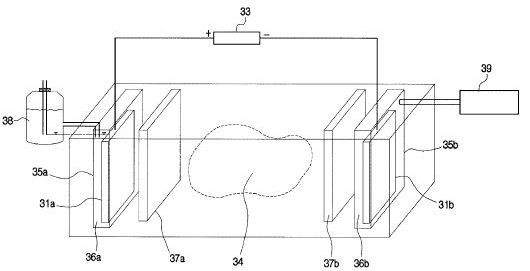
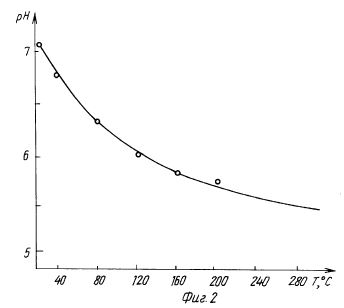
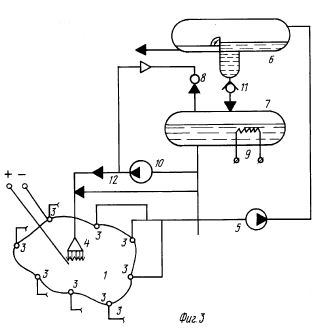
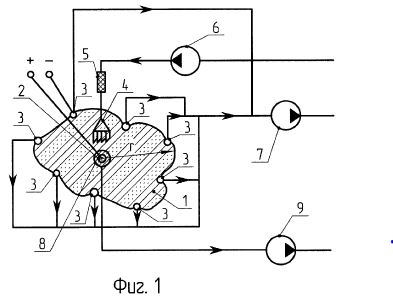
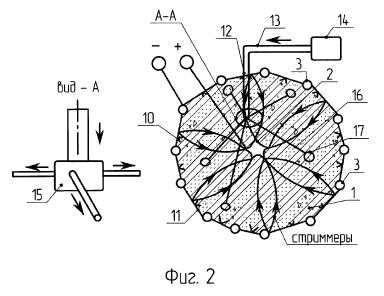
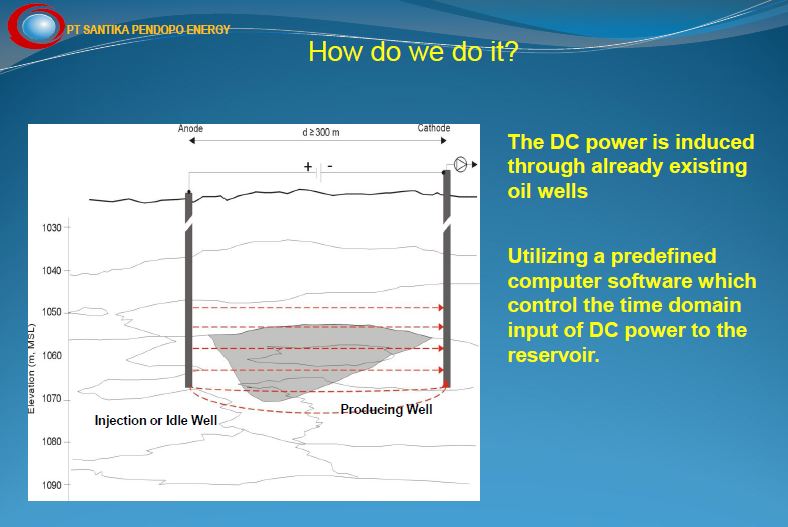
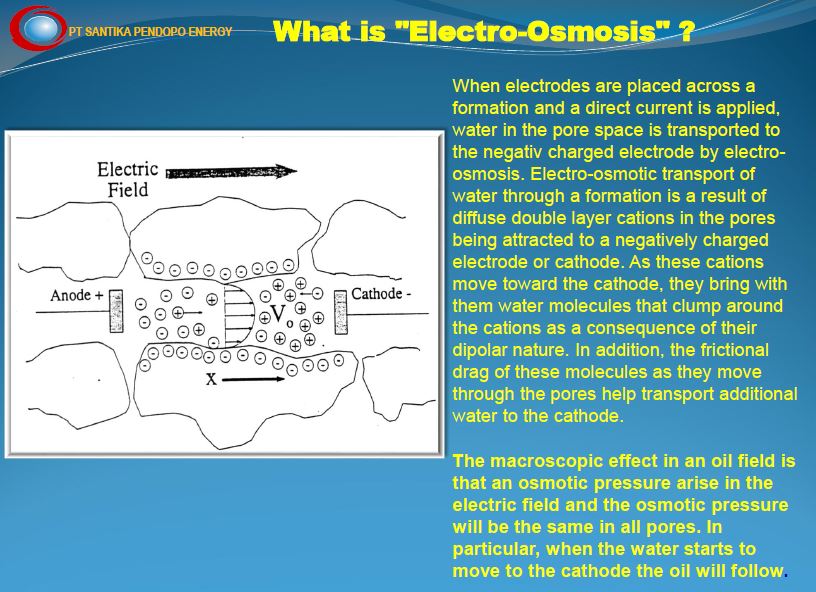
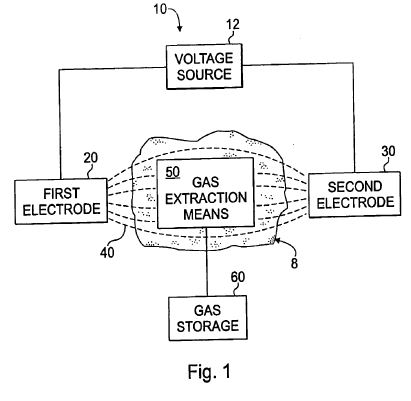
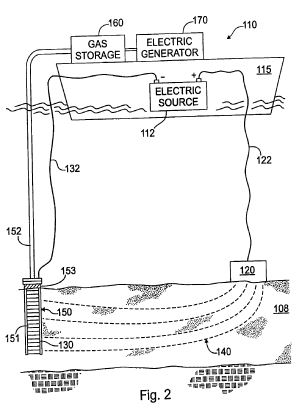
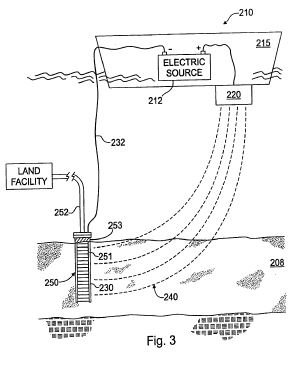
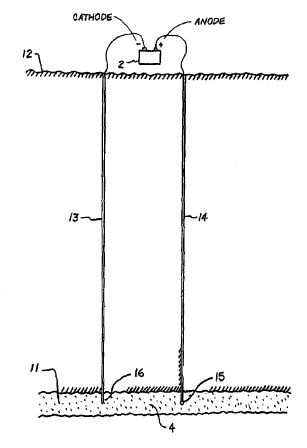
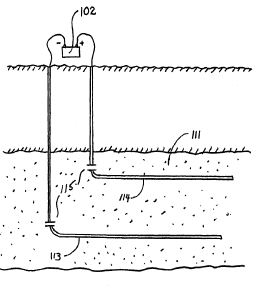
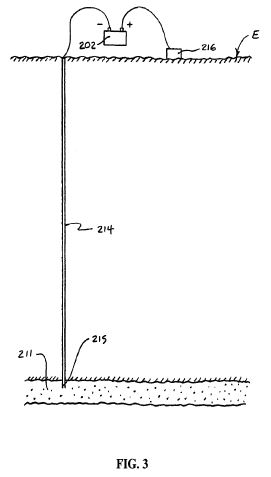
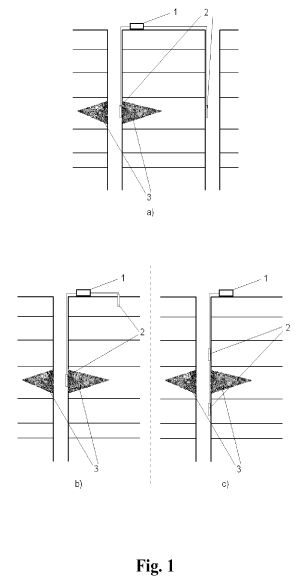
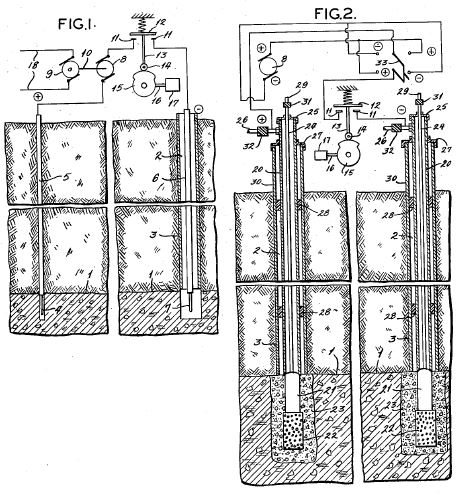
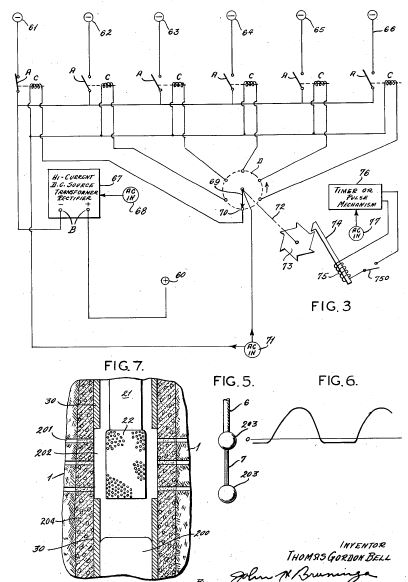
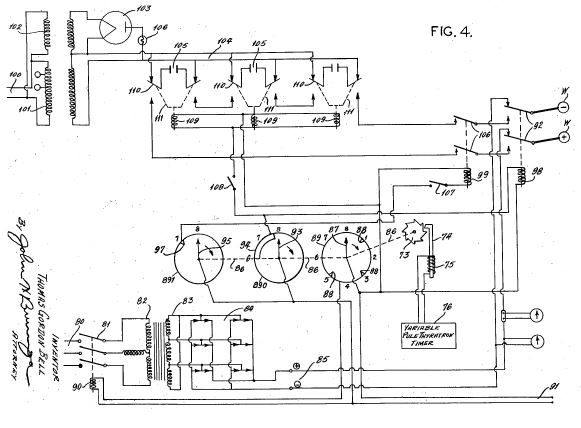
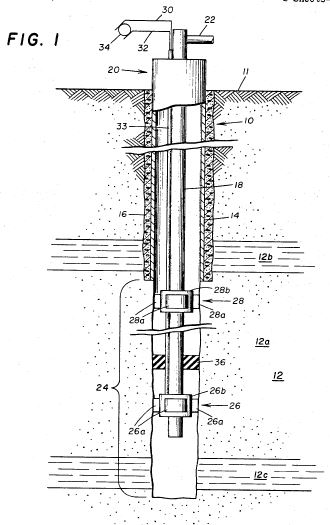
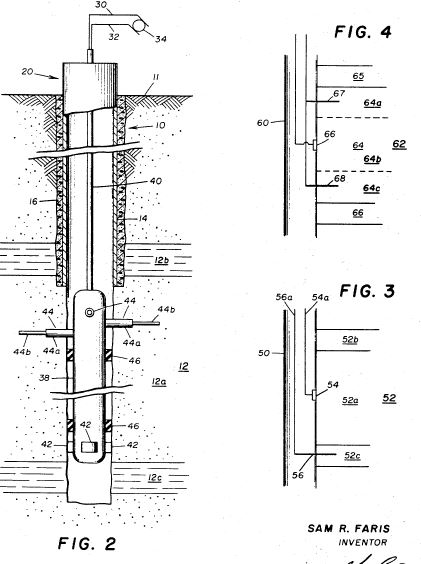
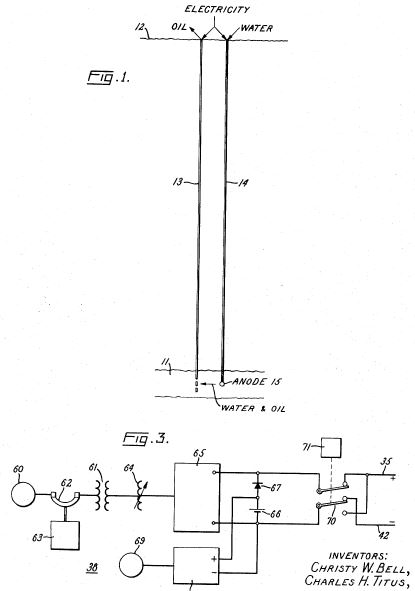
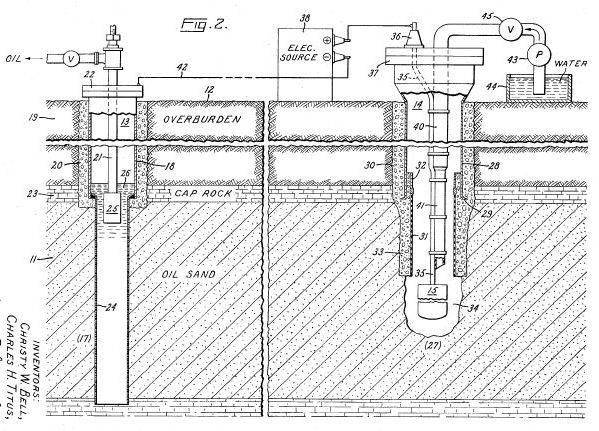
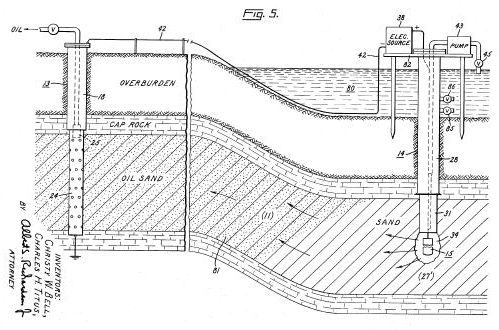
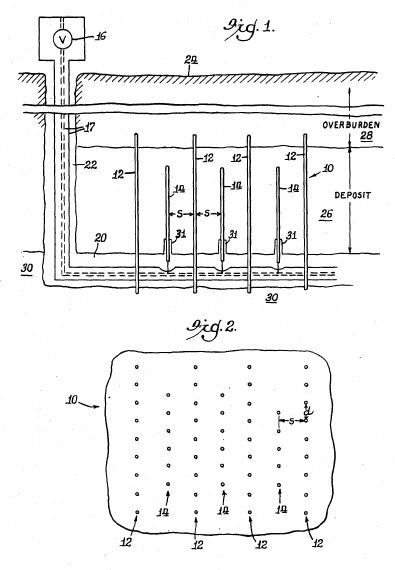
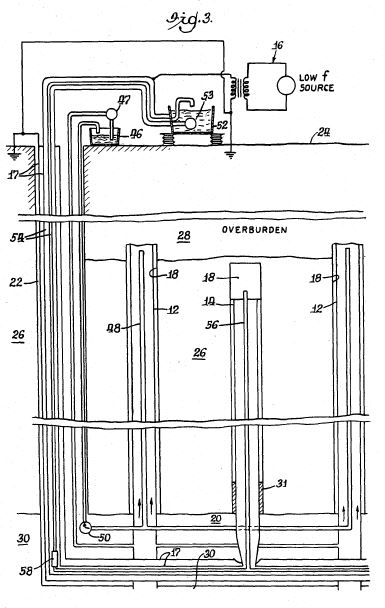
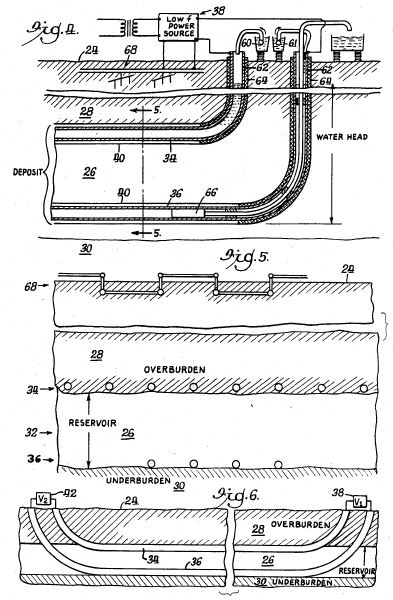
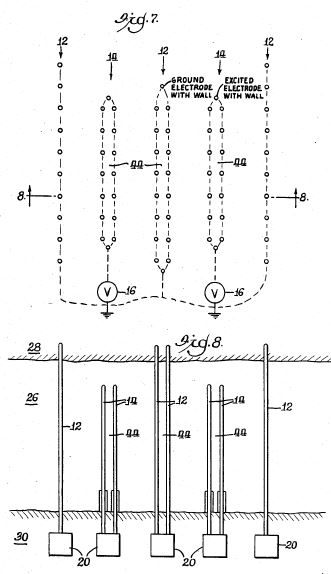
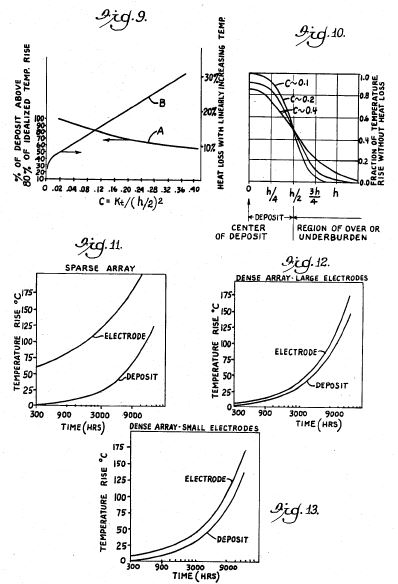
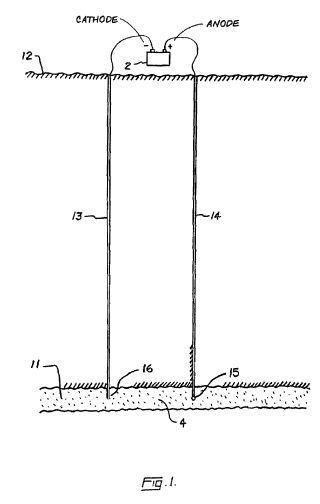
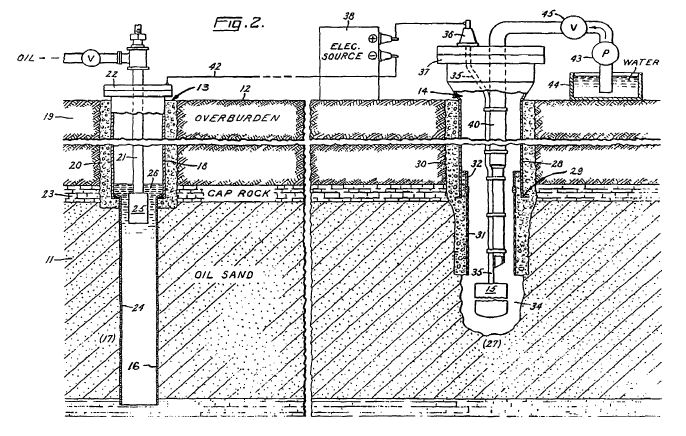
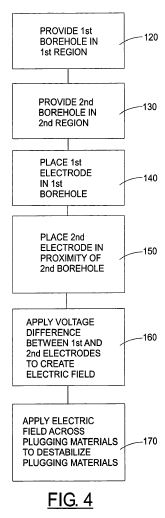
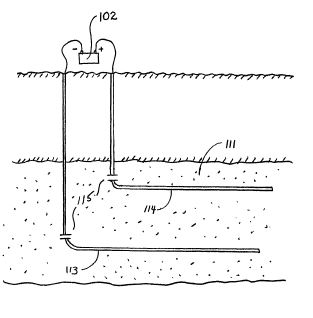
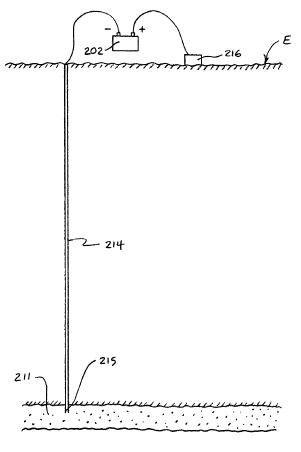
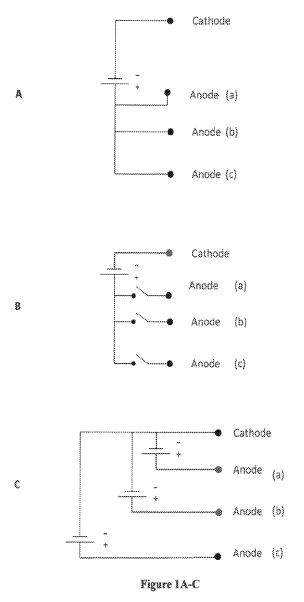
Applying a DC electric field across an oil-bearing formation creates electro-osmotic flow that pulls oil toward the cathode, while electrochemical reactions (oxidation/reduction) break down heavy molecules and Joule heating reduces viscosity. The combined effects enhance permeability and oil mobility, allowing recovery from reservoirs where steam methods fail.
Principles
- Electro-osmosis (electro-kinetic flow)
- Electrochemical upgrading (oxidation/reduction, cold cracking)
- Joule (resistive) heating
Scientific Domains
Materials
- Oil
- Water
- Rock/soil matrix
- Electrolyte solution
- Metal electrodes
Mechanisms of Action
- Electro-osmotic flow of oil toward cathode
- Electrochemical cracking of heavy hydrocarbons
- Resistive heating of formation rock
Energy Sources
Applications
- Heavy oil recovery
- Enhanced oil recovery (EOR)
- Soil remediation of oil-contaminated sites
Claimed Performance
Ten-fold increase in heavy-oil production reported in an 18-month field test; energy cost < $4 per barrel; no water required; works at depths > 2,500 ft where steam fails.
Experimental Evidence
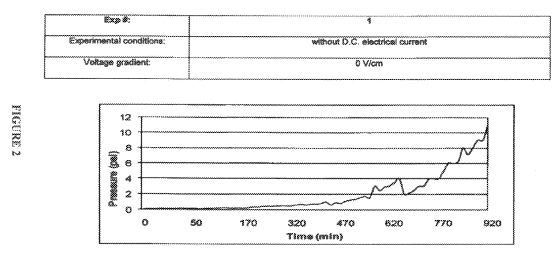
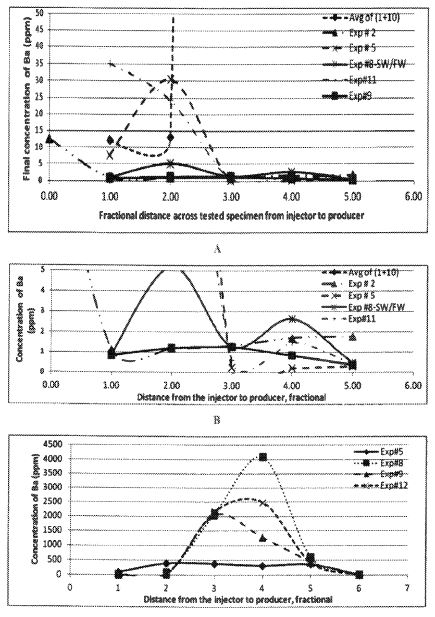
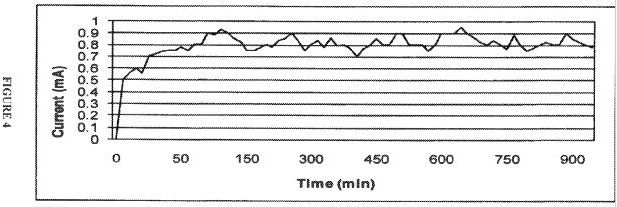
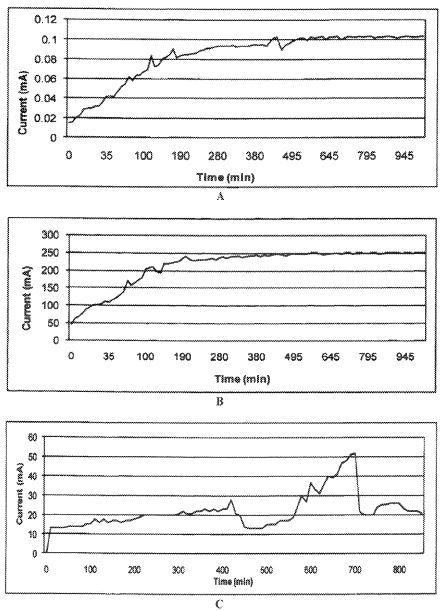
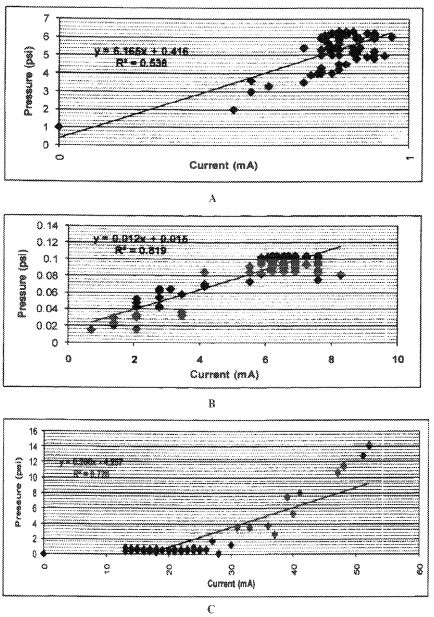
Field tests (18-month) showed ten-fold production increase; laboratory experiments and multiple field trials documented in patents and conference papers.
Replication Status
Field demonstrations reported by Electro-Petroleum, Inc. and academic groups; no independent third-party replication explicitly mentioned.
Limitations
- Requires sufficient reservoir conductivity
- Energy consumption may rise in low-salinity formations
- Effectiveness depends on rock resistivity and clay content
- Limited number of publicly documented field deployments
Red Flags
- Ten-fold production claim not independently verified
- Potential high electricity demand in low-conductivity reservoirs