Goal
Produce potable water from ambient air using only solar energy.
Problem
High electricity consumption and cost of conventional refrigeration-based atmospheric water generators; need for off-grid water supply in remote or high-cost electricity locations.
Concept Summary
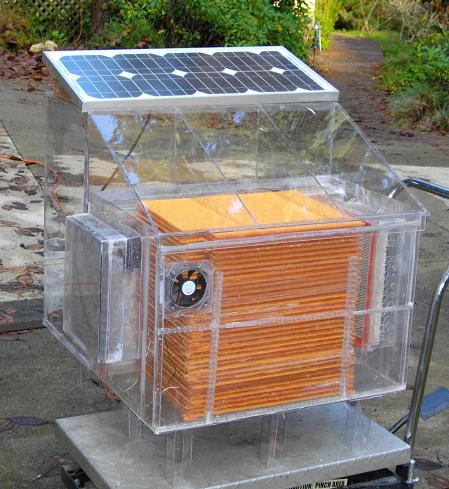
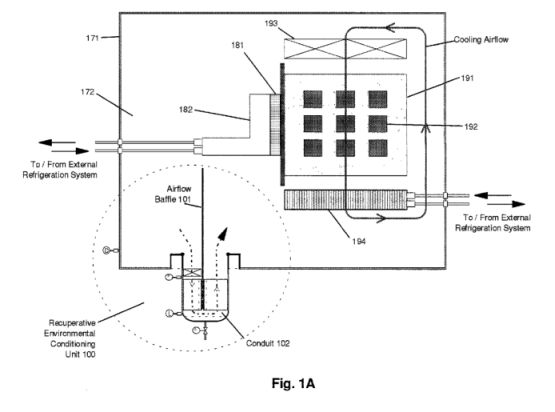
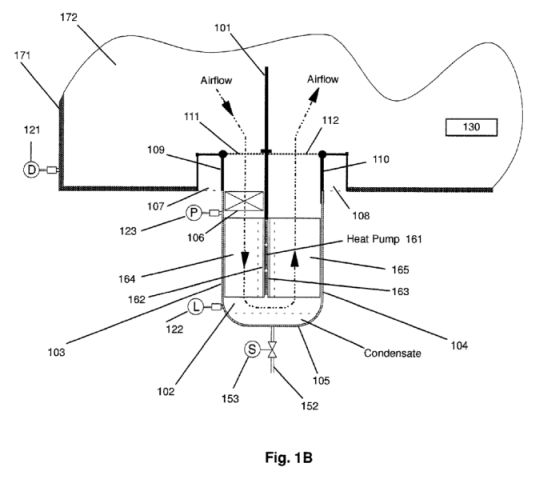
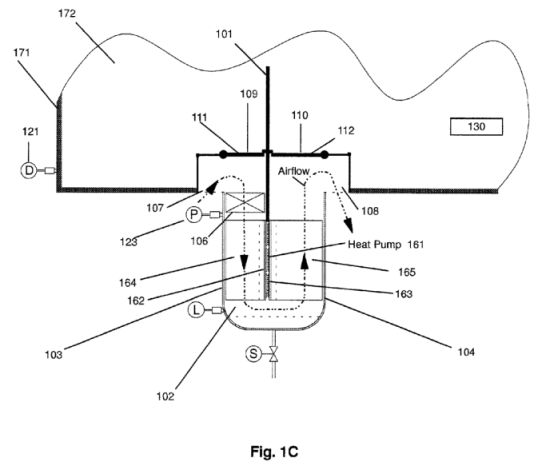
A solar-thermal driven atmospheric water generator that uses a desiccant to adsorb moisture from night air, then regenerates the desiccant with solar heat to condense the captured water at near-ambient temperatures, eliminating the need for refrigeration.
Principles
- Solar thermal heating
- Desiccant adsorption/desorption
- Condensation at ambient temperature
- Heat regeneration of desiccant
Scientific Domains
Materials
- Desiccant (e.g., silica gel, calcium chloride-impregnated cloth)
- HEPA filter
- Solar thermal collector surfaces
- Photovoltaic panel
Mechanisms of Action
- Adsorption of water vapor onto desiccant
- Solar-driven regeneration of desiccant
- Condensation of released water
- Filtration and sterilization of water
Energy Sources
Applications
- Remote cabins
- Islands
- Off-grid communities
- Emergency water supply
Claimed Performance
1,000-2,500 gallons of water per day per acre of land; >90 % of energy supplied by solar heat; no external electricity; carbon emission reduction >5 lb CO_2 per gallon.
Experimental Evidence
The article cites production rates of 1,000-2,500 gal/day per acre and a claim that >90 % of the system's energy comes from solar heat, but provides no independent test data or peer-reviewed results.
Limitations
- Requires full sun exposure
- Performance drops with very low ambient humidity
- Large land area needed for high-volume production
Red Flags
- No independent performance data or peer-reviewed validation
- Claims based on internal testing only