Goal
Increase crop vigor, germination rates, root development, resistance to stress, and overall yield while reducing water and fertilizer requirements.
Problem
World food production shortfalls and reliance on chemical fertilizers.
Concept Summary
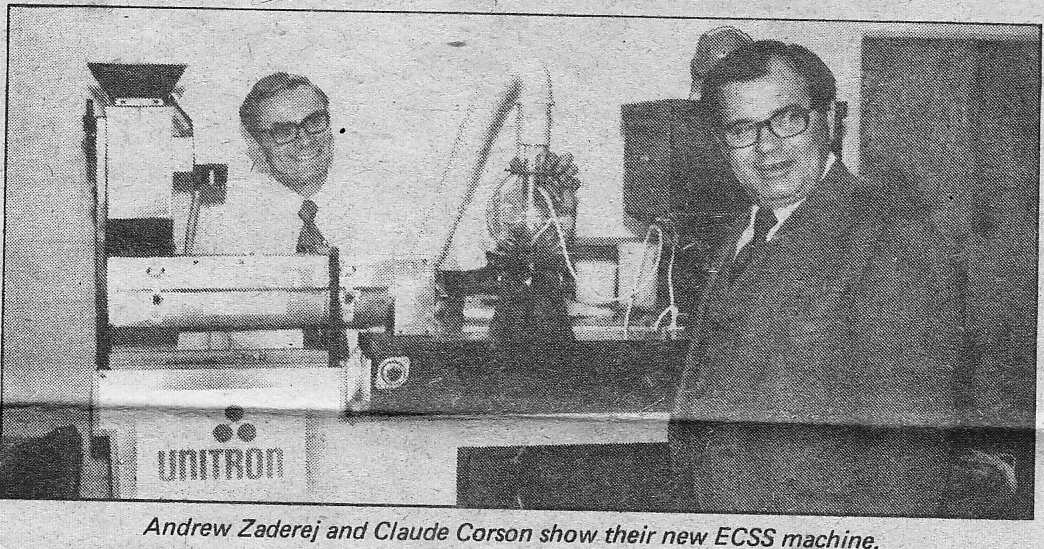
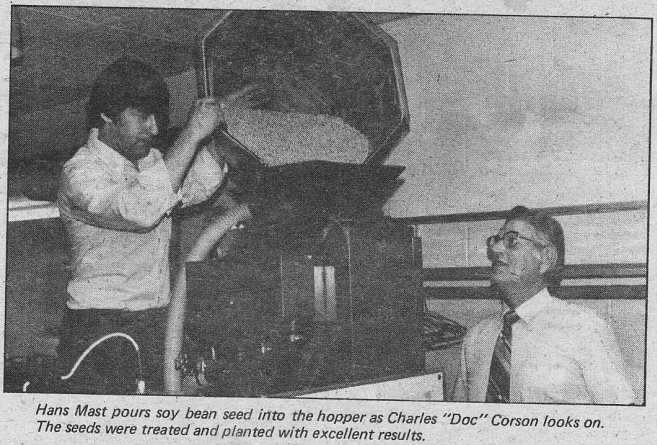
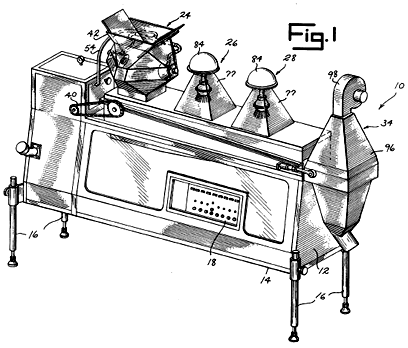
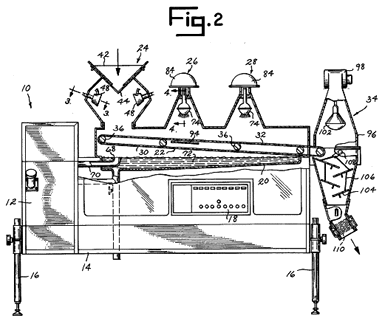
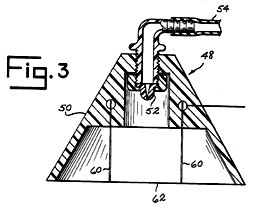
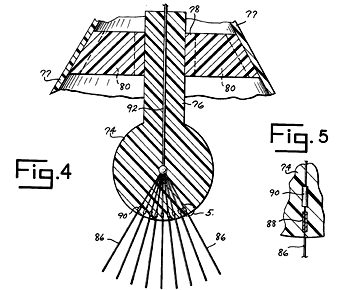
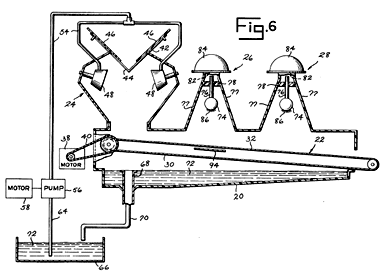
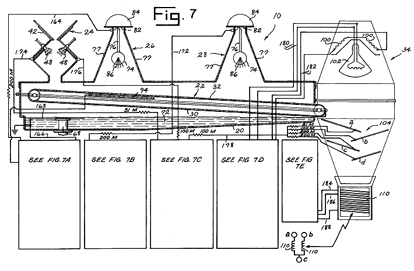
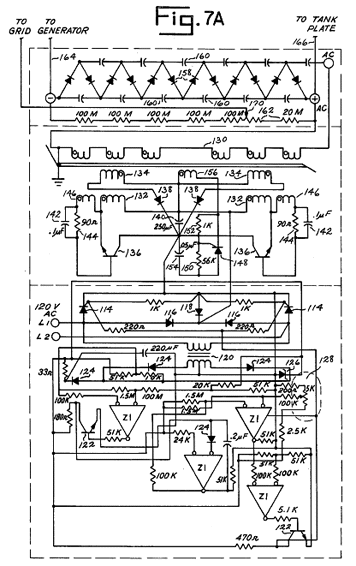
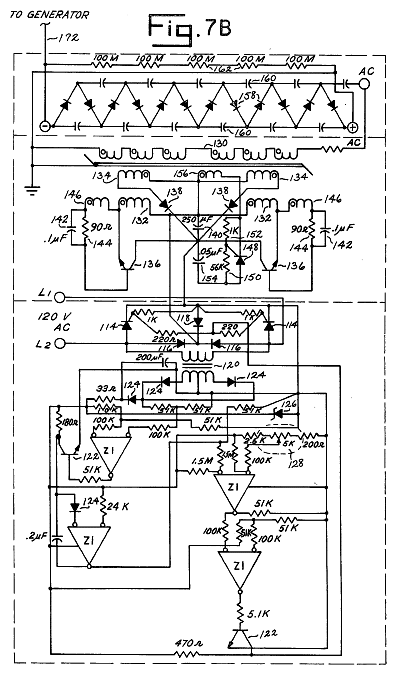
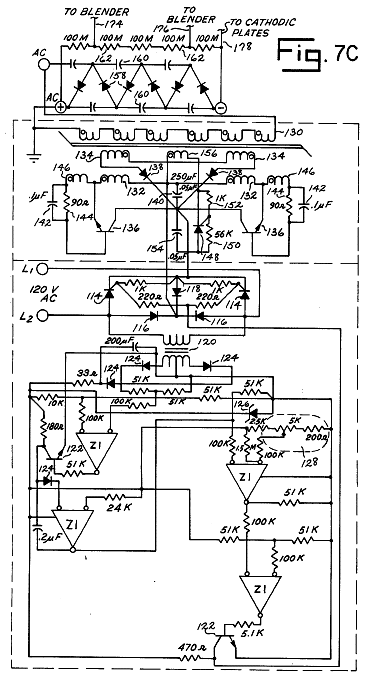
The ECSS treats seeds in three stages: coating with a charged multimineral colloidal solution, passing the seeds through ion and electrostatic fields (including a 100 kV static generator) and an infrared spectrum, and finally applying a soil enzyme that converts inorganic elements to organic forms. The process is claimed to enhance germination, growth, and stress resistance, leading to higher yields.
Principles
- Electrostatic charging
- Ion implantation
- Infrared radiation
- Colloidal mineral coating
- Enzyme-mediated soil amendment
Scientific Domains
Materials
- Multimineral colloidal formulation
- Enzyme derived from cultured bacteria
- Mineral particles (various ions)
- Seeds (treated material)
Mechanisms of Action
- Charged colloidal coating deposits minerals on seed surface
- Ion field implants mineral particles into seed interior
- High-voltage static field provides cathodic protection and shelf-life extension
- Infrared exposure activates biochemical pathways
- Applied enzyme converts hardpan soil to biologically active soil
Energy Sources
Applications
- Agricultural seed treatment
- Crop yield enhancement
- Water-conservation farming
Claimed Performance
Increased germination, faster growth, larger root systems, greater resistance to drought, wind, temperature, pests, reduced irrigation needs, and up to double the usual yield per acre.
Experimental Evidence
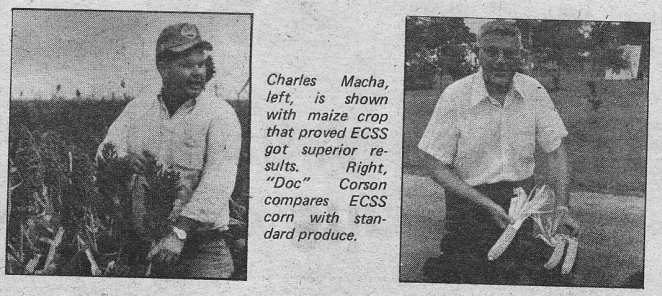
Field tests in the Lubbock, TX area showed cotton and maize yields nearly doubled in a bad year, with water usage less than half the normal amount; farmer Charles Macha reported these results and the exchange verified yields at harvest.
Replication Status
Results reported by farmer Charles Macha and verified by the National Exchange at harvest; no independent peer-reviewed replication documented.
Limitations
- Lack of peer-reviewed scientific validation
- Proprietary equipment required for ion/static fields
- Unclear long-term environmental impact of enzyme amendment
Red Flags
- Use of vague terms such as "mystery force" and "electrogenic" without clear definition
- Claims rely heavily on anecdotal farmer reports rather than controlled studies
- Association with pseudo-science figures (e.g., pyramid effect proponents)