Goal
Increase the combustion energy yield of natural fuel gas and reduce harmful emissions.
Problem
Low efficiency of natural gas combustion and associated CO and NOx emissions.
Concept Summary
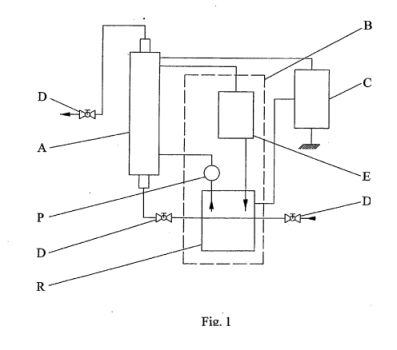
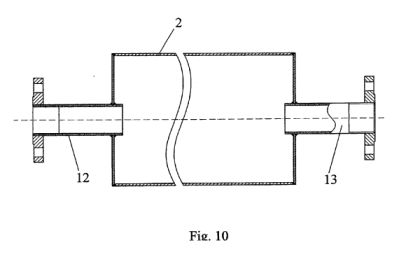
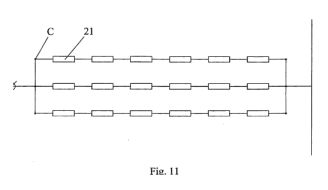
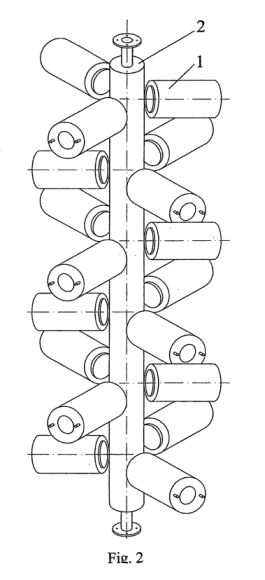
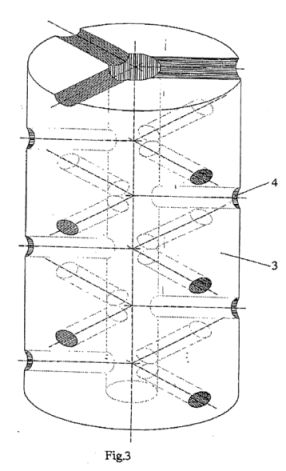
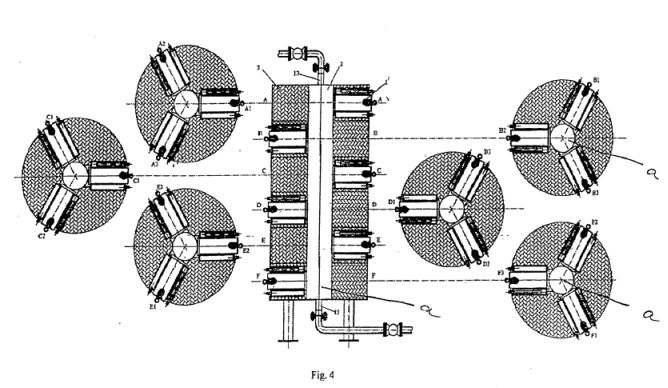
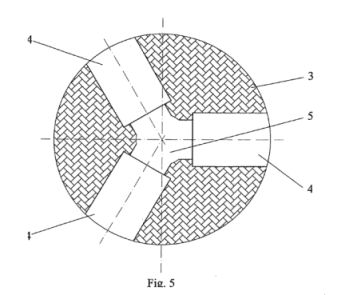
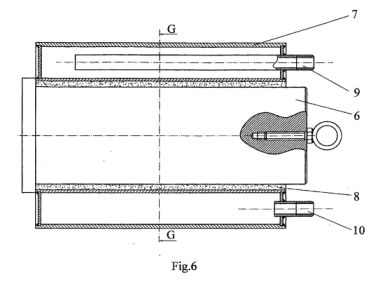
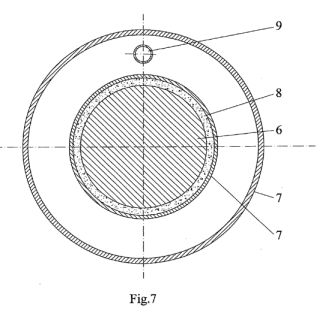
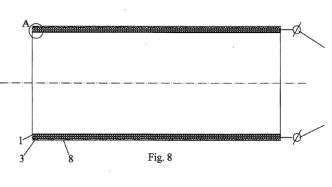
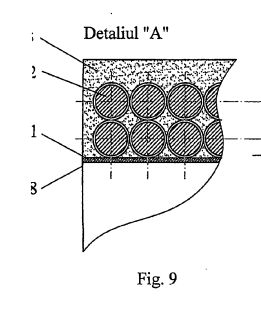
The invention uses a cylindrical treatment chamber lined with a diamagnetic material and equipped with spiral-arranged electromagnetic units that generate a rotating magnetic field (0.1-0.8 T) together with a rotating thermal field (31-65 deg C). The combined fields are claimed to transfer energy from zero-point vacuum fluctuations to the gas, raising its combustion energy by at least 12 % without extra fuel, while also lowering CO and NOx output.
Principles
- Rotating magnetic field interaction
- Coupled rotating thermal field
- Energy transfer from vacuum zero-point fluctuations
Scientific Domains
Materials
- Diamagnetic material (chamber wall)
- Oil (thermal medium)
- Metal cores
- Electric coil
- Natural gas (methane)
Mechanisms of Action
- Magnetic flux acts on gas molecules during upward flow
- Thermal field pre-heats gas to improve magnetic coupling
- Proposed extraction of energy from vacuum fluctuations
Energy Sources
Applications
- Domestic heating
- Industrial gas burners
- Power generation from natural gas
Claimed Performance
Minimum 12 % increase in heat yield, CO and NOx reduction, and a 24 x energy gain per electrical input (electric power to extracted energy ratio <= 1/24).
Experimental Evidence
The inventors report that the system achieves a >= 12 % increase in heat yield and a 0.1-0.8 T magnetic field with 0.03-0.228 W power per unit, but no quantitative experimental data or independent testing is presented.
Replication Status
No independent replication or peer-reviewed validation reported.
Limitations
- Precise alignment of magnetic and thermal fields required
- Energy transfer from vacuum fluctuations not experimentally verified
- Electrical power consumption may offset claimed gains
Red Flags
- Extraordinary claim of > 12 % energy gain without additional fuel
- Lack of peer-reviewed data or independent replication
- Potential for misinterpretation of zero-point energy concepts