Goal
Generate electric power continuously from ambient electromagnetic radiation (infrared-to-ultraviolet) and cosmic particles such as neutrinos.
Problem
Provide a low-cost, always-available power source without reliance on sunlight or conventional fuels.
Concept Summary
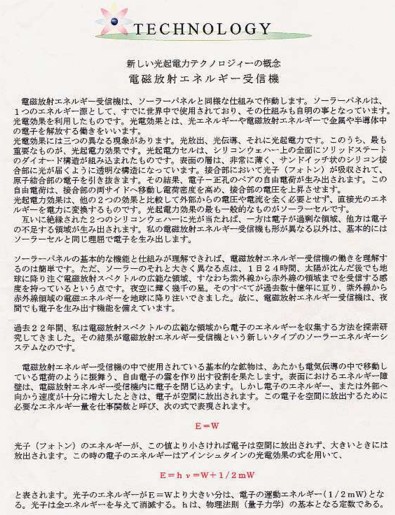
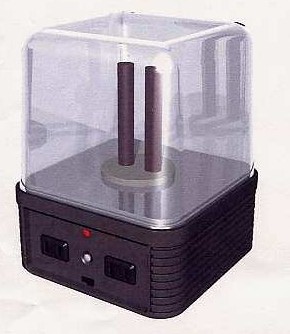
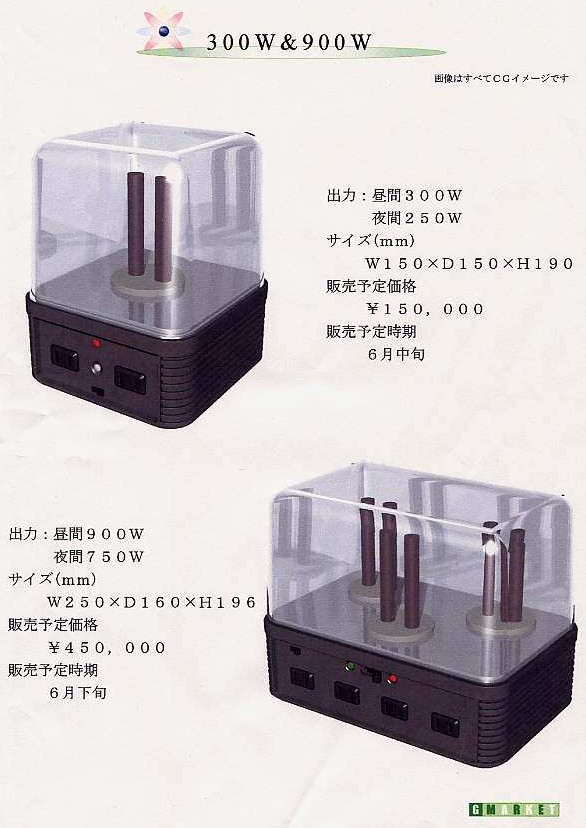
Two metal rods (~=1 cm x 10 cm) composed of many different elements (notably tantalum and tungsten) are claimed to capture ambient electromagnetic waves and neutrinos, producing a steady DC voltage that can power lights, bulbs and charge batteries. The device is marketed as an "Electromagnetic Radiation Receiver" and likened to a solar cell that works 24 h a day.
Principles
- photoelectric effect
- photovoltaic conversion
- electromagnetic wave absorption
- space diode / Moray valve concept
Scientific Domains
Materials
- tantalum (element 73)
- tungsten (element 74)
- other transition metals (unspecified)
- ceramic material (claimed for later production)
- silicon wafer (mentioned in translation as analogous to solar cell)
Mechanisms of Action
- absorption of infrared-to-ultraviolet photons
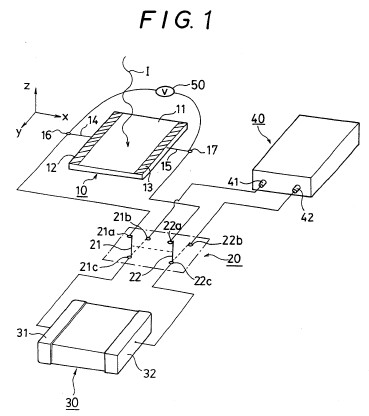
- generation of charge carriers in a semiconductor-like structure
- charge separation due to differing elemental composition of the two rods
Energy Sources
Applications
- charging batteries
- lighting (Christmas lights, bulbs)
- remote power supply
Claimed Performance
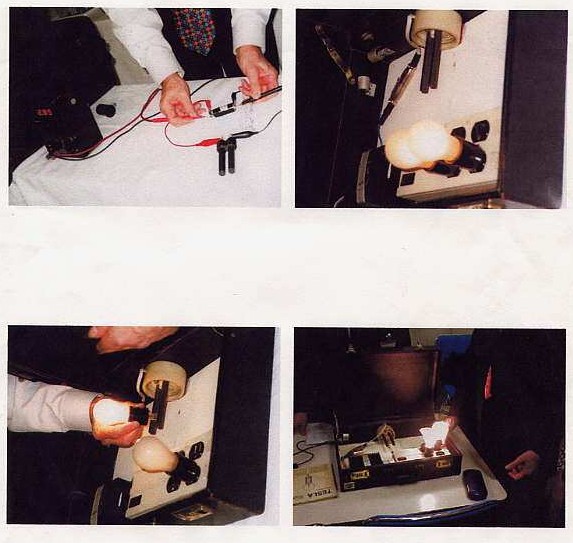
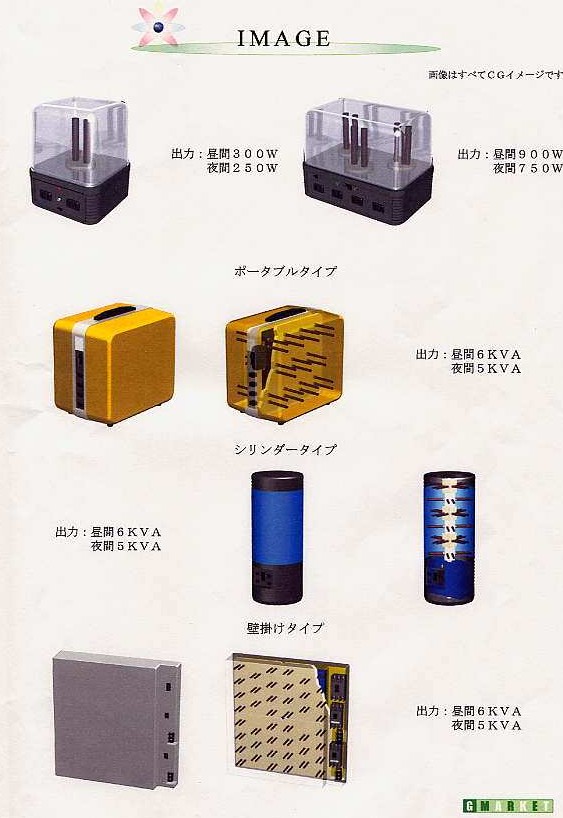
Small prototype: ~18 W output, cold to the touch; commercial version: ~300 W output per pair of rods; each rod pair can power Christmas lights, a 25 W bulb, or charge batteries.
Experimental Evidence
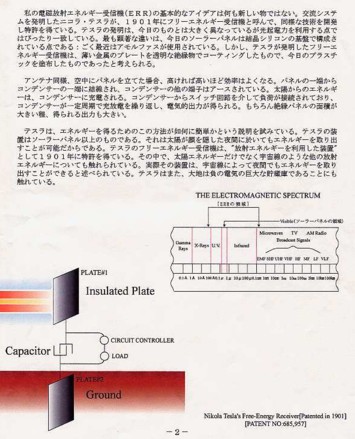
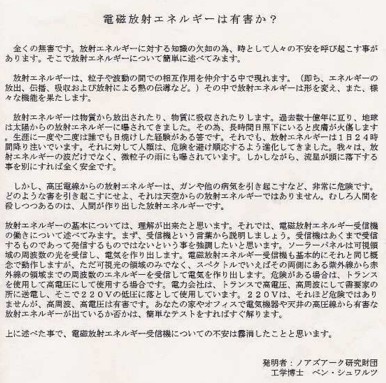
Video demonstrations showing lights and a 25 W bulb powered by the rods; brochure from Japanese company ERR co. stating 300 W output; anecdotal reports from forum posts.
Replication Status
No independent replications documented; the video is the only publicly available demonstration.
Limitations
- No peer-reviewed data or independent testing
- Mechanism relies on poorly understood neutrino interaction
- Commercial production appears to have ceased
- Performance claims (300 W) lack verification
Red Flags
- Heavy reliance on anecdotal video evidence
- Absence of patents or scientific publications
- Claims of "free energy" and "neutrino power" contradict established physics