Goal
Improve lubricity of low-sulfur fuels and lubricants to reduce engine wear and increase fuel efficiency.
Problem
Low-sulfur diesel and gasoline fuels lack sufficient lubricity, causing high friction, wear of fuel pumps and injectors, and reduced engine efficiency.
Concept Summary
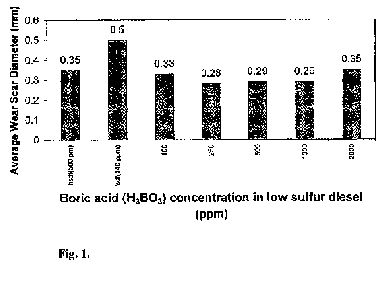
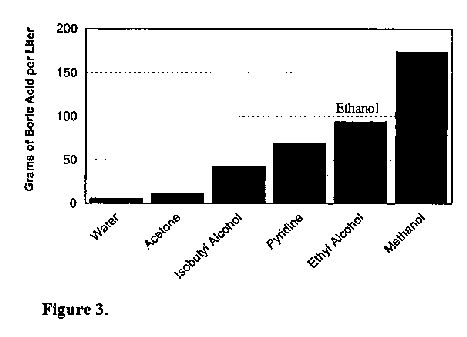
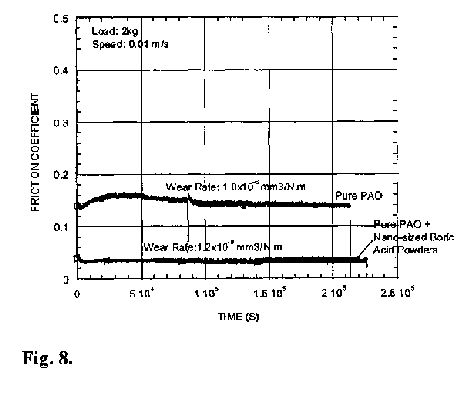
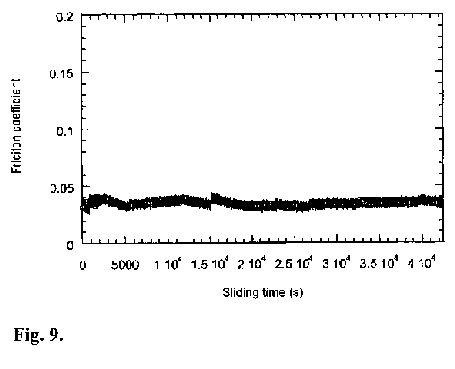
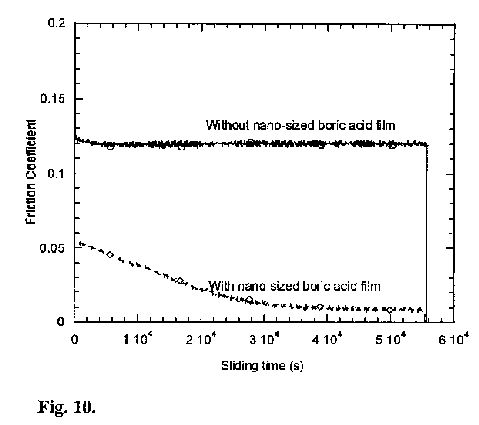
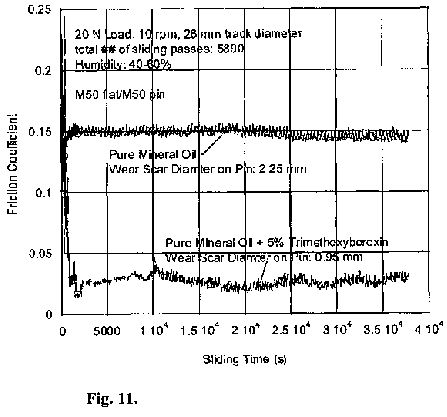
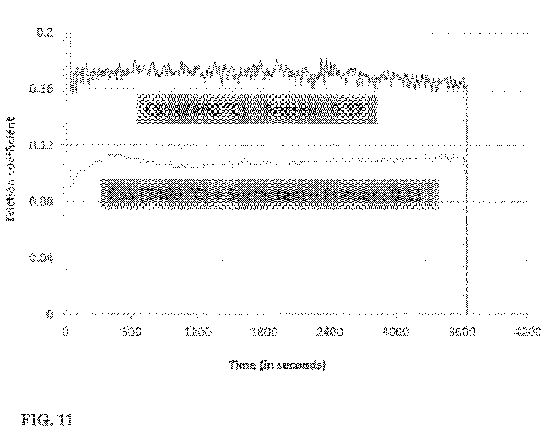
Adding boron-containing compounds such as boric acid, borax, boron oxide, or nanometer-sized boric acid powders to fuels or lubricants (often dissolved in an alcohol solvent) creates a boron-enriched fuel/lubricant that reduces friction, lowers wear scar diameter, and can improve fuel economy by 4-5 %.
Principles
- Lubrication enhancement
- Friction reduction
- Boron chemistry
Scientific Domains
Materials
- Boric acid
- Borax
- Boron oxide
- Nanometer-sized boric acid powders
- Trimethylborate
- Trimethoxyboroxin
- Methanol
- Ethanol
Mechanisms of Action
- Boron compounds form low-shear films on metal surfaces
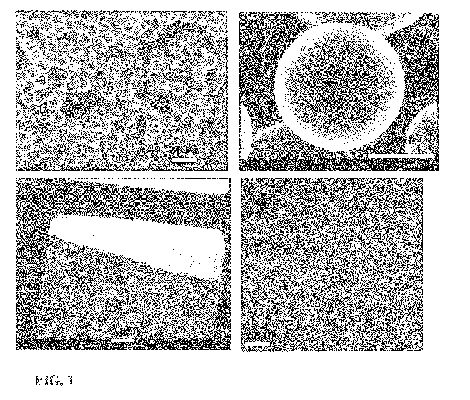
- Nanoparticle additives fill surface asperities
- Alcohol solvent improves miscibility and dispersion
Applications
- Diesel engines
- Gasoline engines
- Fuel pumps
- Injectors
- Industrial lubricants
Claimed Performance
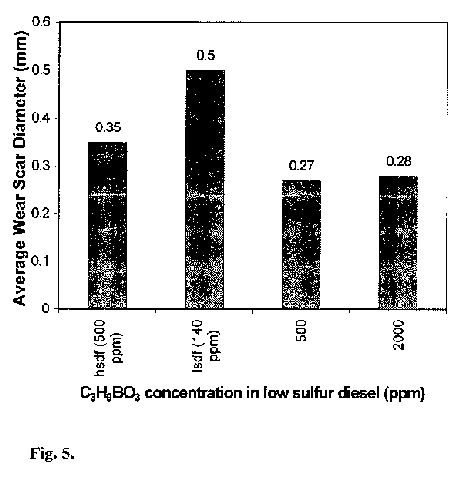
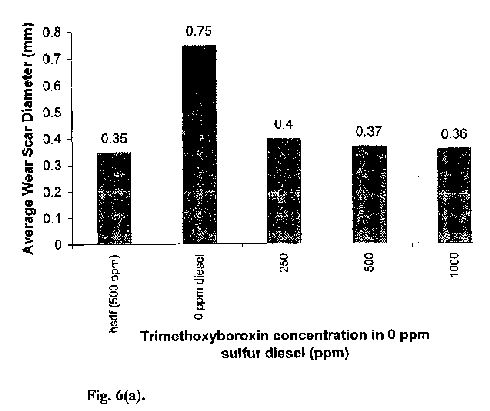
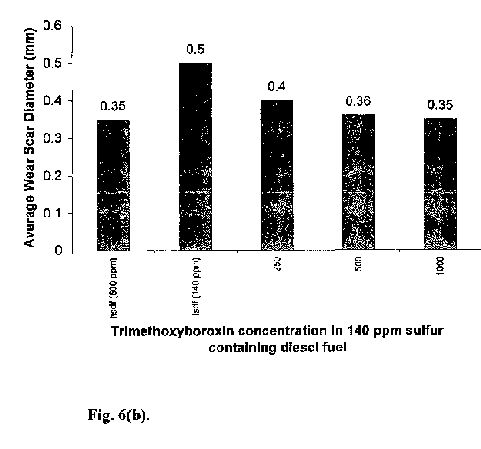
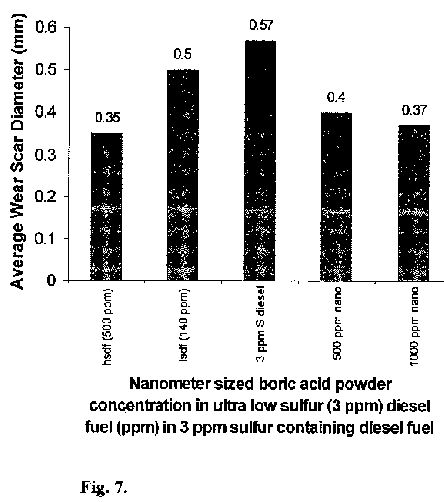
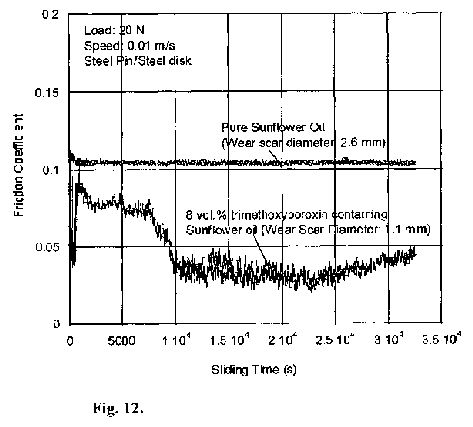
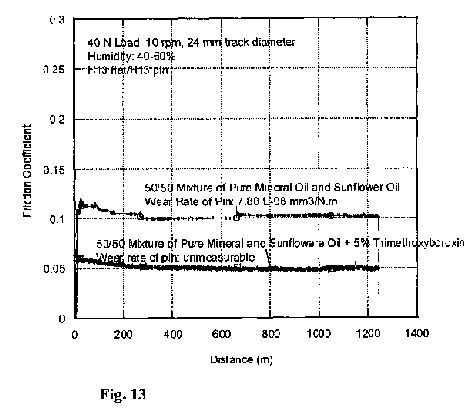
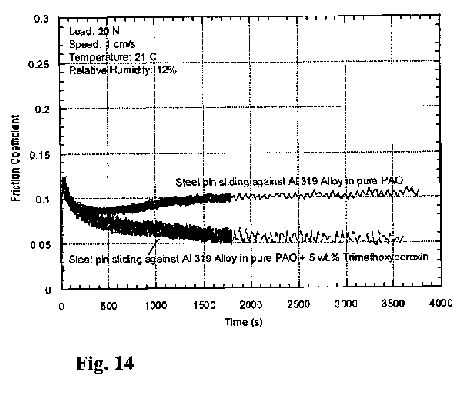
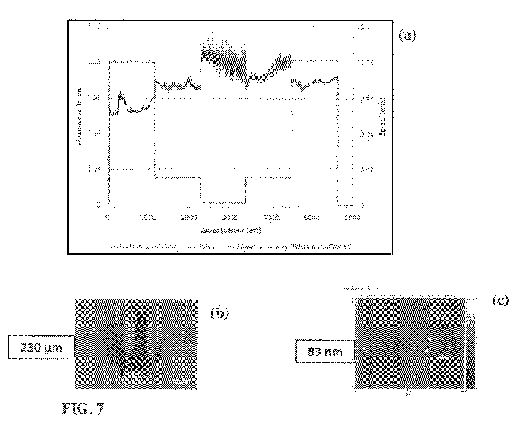
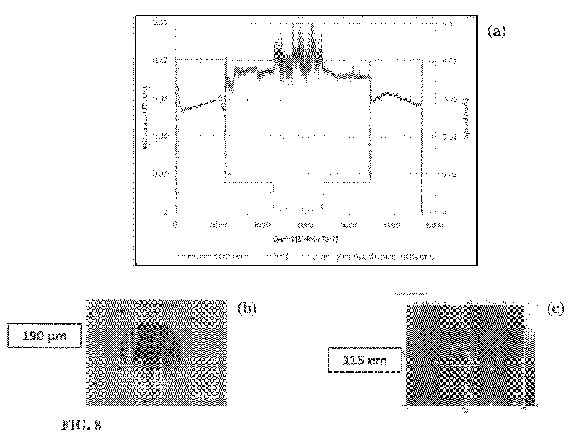
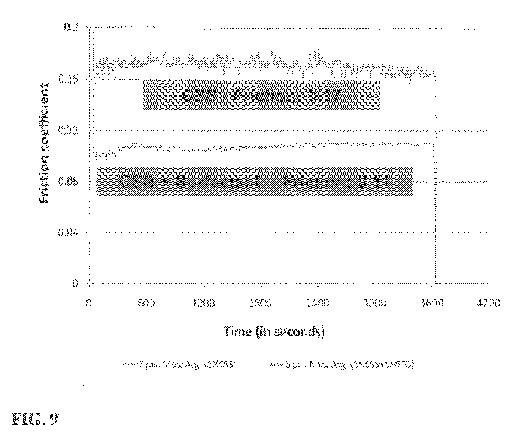
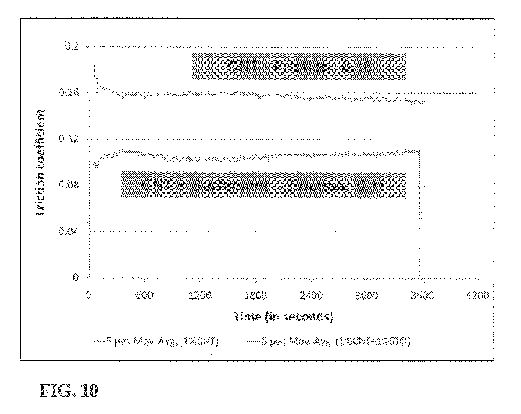
Friction reduced up to two-thirds; fuel consumption reduced by 4-5 %; wear scar diameter <0.40 mm under standard test conditions.
Experimental Evidence
Laboratory tests showed up to two-thirds reduction in energy lost to friction as heat and a 4-5 % reduction in fuel consumption when boric acid suspensions were added to low-sulfur diesel fuel.
Limitations
- Requires proper concentration (30-3 000 ppm boron)
- Solvent handling (methanol/ethanol) may add safety considerations
- Long-term effects on engine components not fully studied