Confidence
0.90
Practicability
0.30
Evidence
0.20
Fringe Score
0.20
Risk
0.10
TRL
4
Goal
Harvest natural electrical currents (telluric currents) from the ground to generate usable electricity.
Problem
Provide a low-cost, renewable power source without relying on conventional chemical batteries or external fuel.
Concept Summary
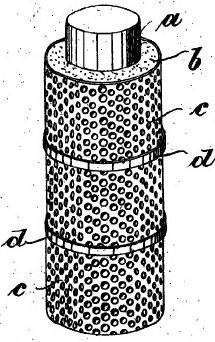
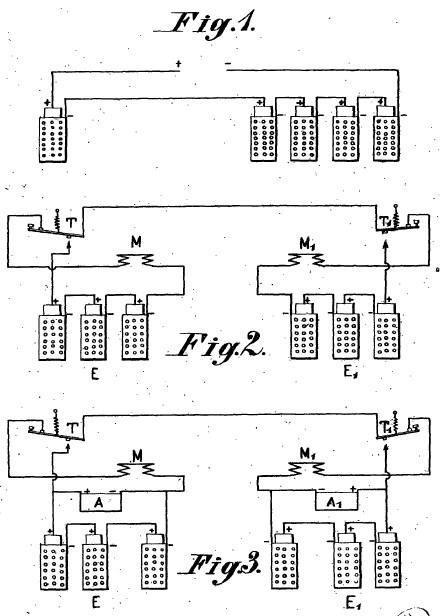
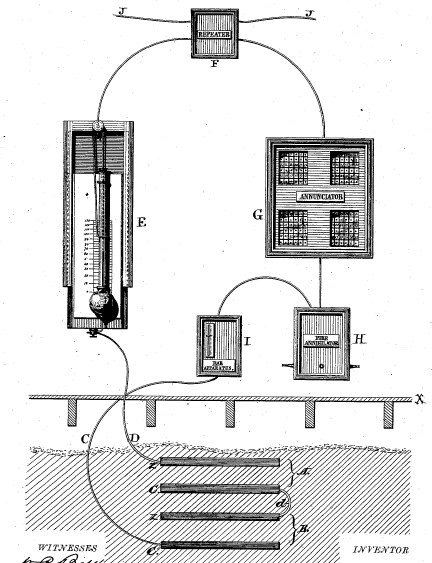
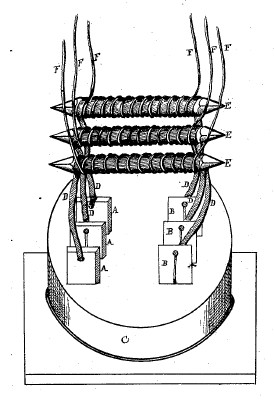
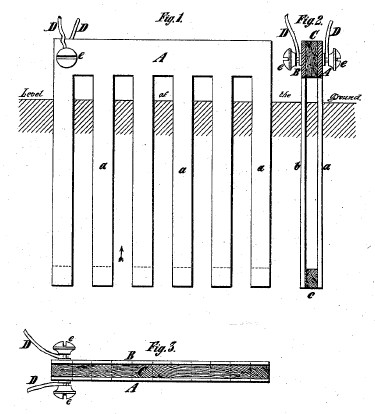
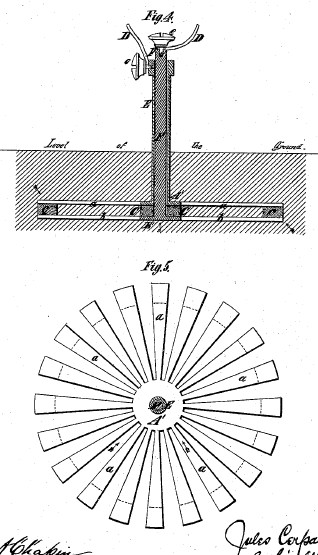
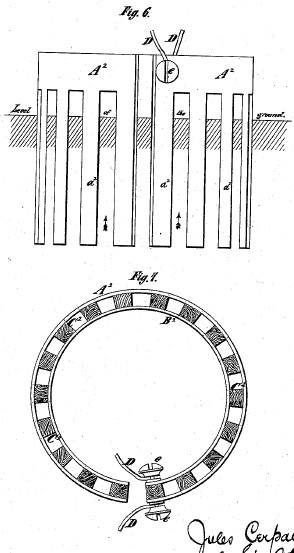
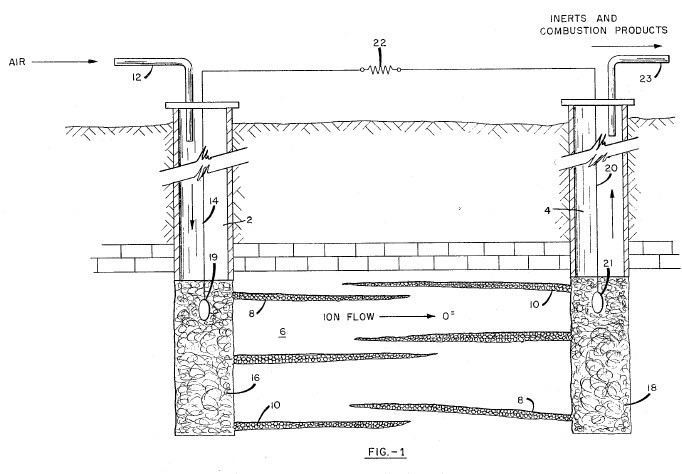
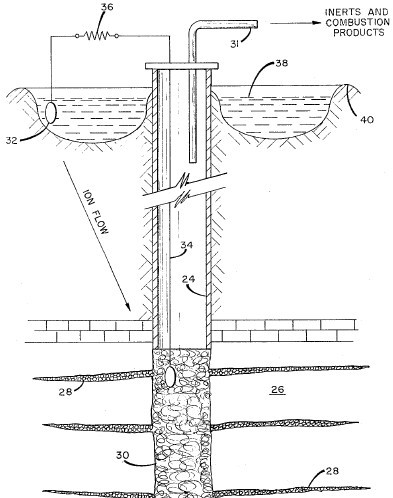
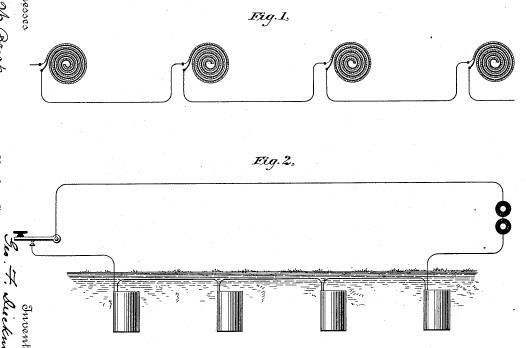
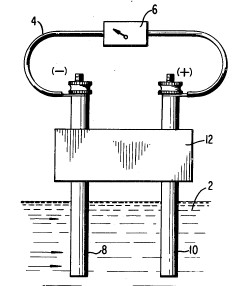
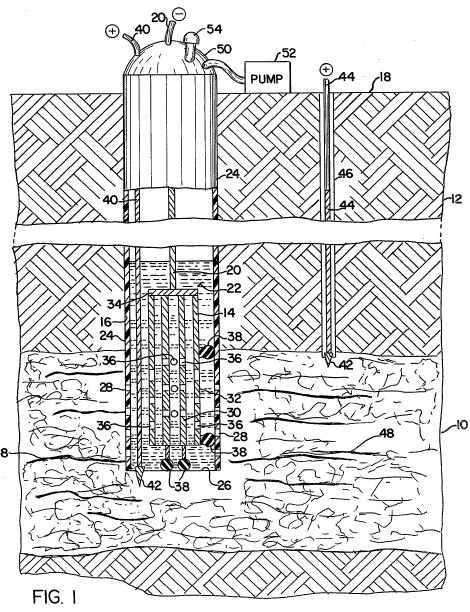
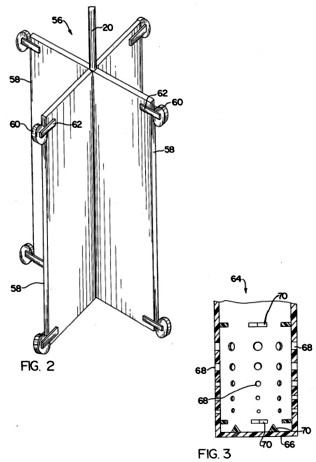
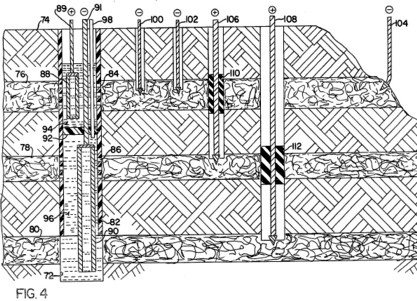
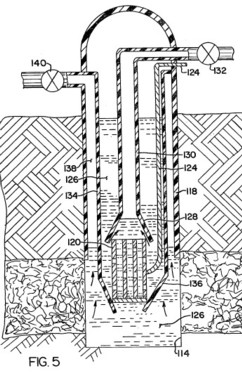
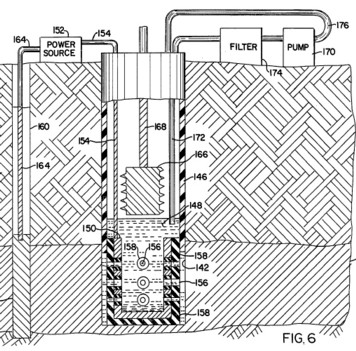
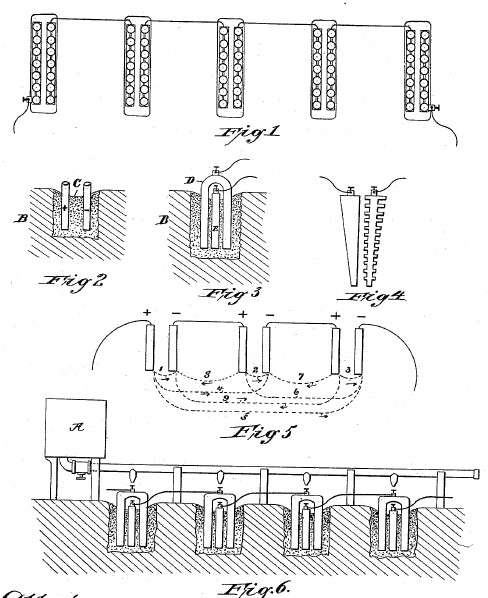
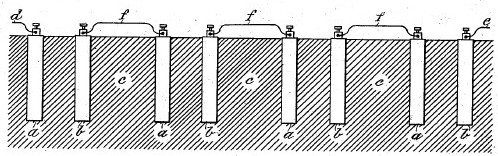
Two dissimilar metal plates are buried in the earth at a distance and orientation that exploits the Earth's magnetic field and naturally occurring telluric currents. The soil (or other conductive medium) acts as the electrolyte, allowing free electrons to be excited and flow preferentially into one electrode, producing a voltage and current that can be tapped through an external circuit.
Principles
- Electrochemical series (electropotential series)
- Telluric (natural earth) currents
- Magneto-hydrodynamic electron excitation
- Electrode spacing and orientation relative to magnetic meridian
- Depth differential between electrodes
Scientific Domains
Materials
- Copper
- Iron
- Carbon
- Palladium
- Zinc
- Coal (veined material)
- Coke (processed carbon)
- Felt
Mechanisms of Action
- Electrochemical potential difference between dissimilar metals
- Harvesting of naturally occurring ground currents
- Magnetohydrodynamic deflection of electrons in a flowing conductive medium
Energy Sources
Applications
- Low-power lighting
- Telegraphy
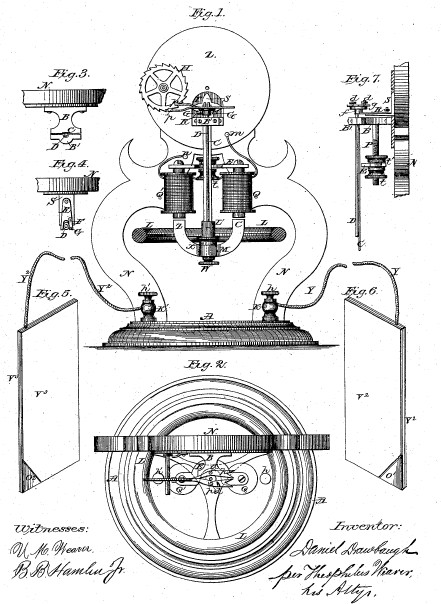
- Clock power
- Educational demonstrations
Claimed Performance
Small amounts of electricity; examples include powering a digital clock or a low-power electromagnet.
Limitations
- Very low current and power density
- Dependence on soil moisture and conductivity
- Large electrode spacing required for useful voltage
- Electrode corrosion over long periods
Red Flags
- Claims of "high outputs" without quantitative data
- Historical patents often lack modern experimental verification