Goal
Generate limitless electric power without fuel to power vehicles, homes and industry.
Problem
Reliance on fossil fuels, pollution, and the need for extensive transmission infrastructure.
Concept Summary
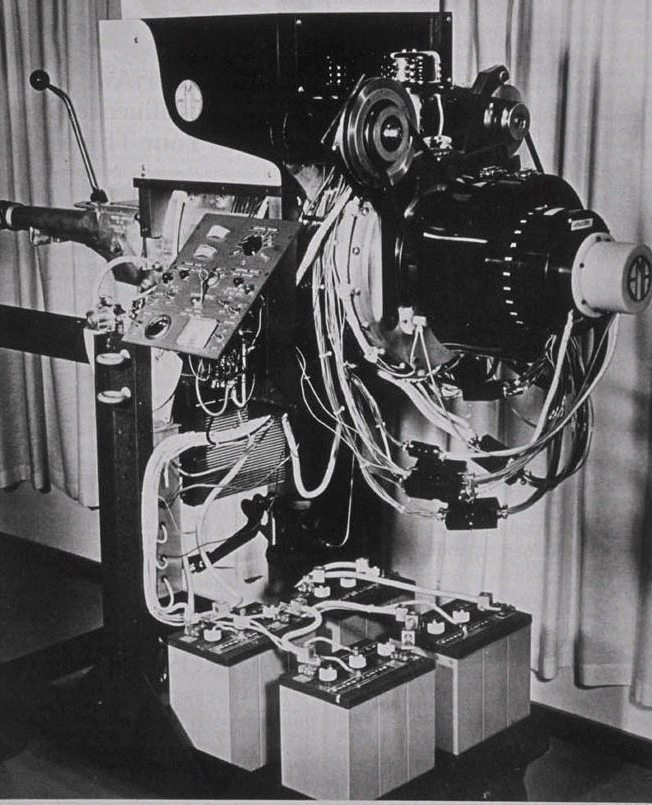
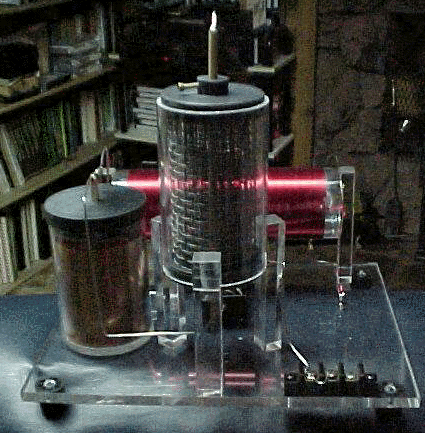
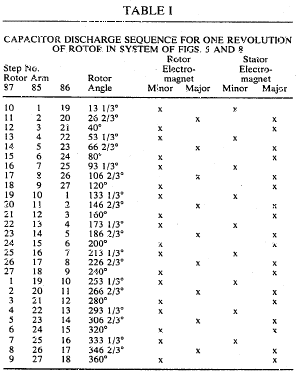
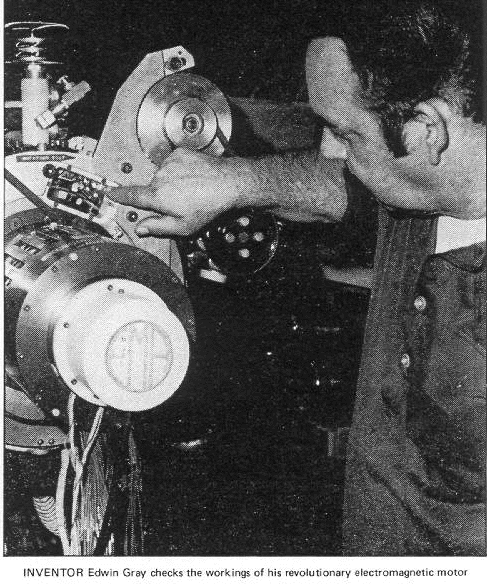
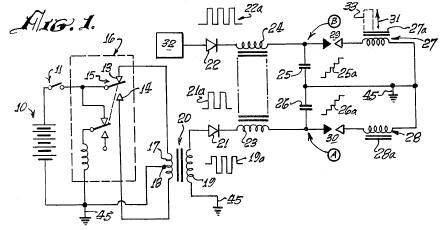
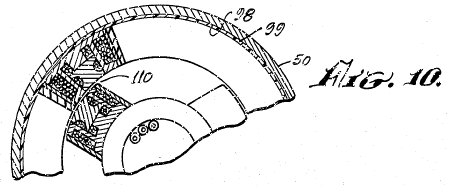
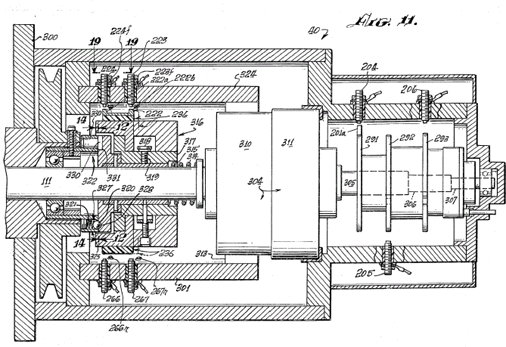
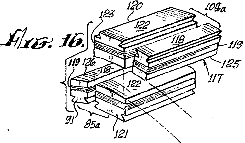
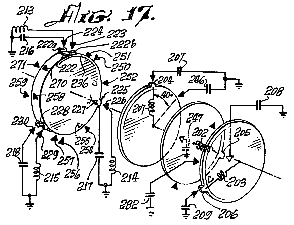
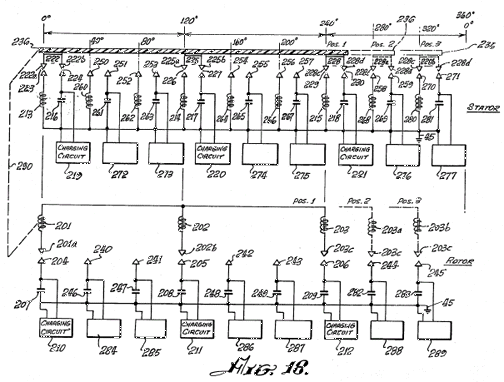
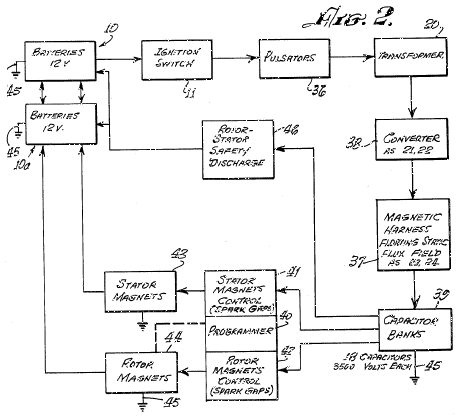
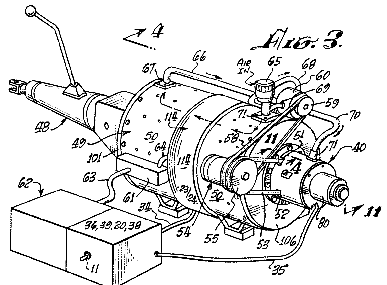
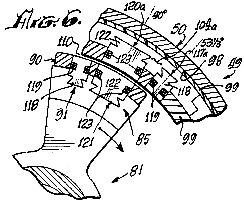
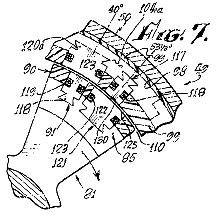
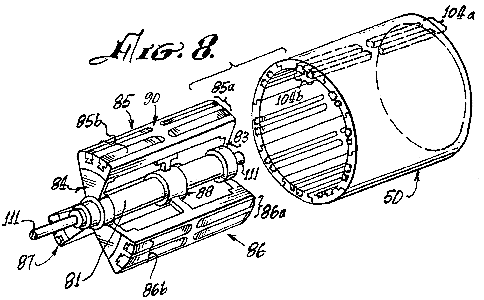
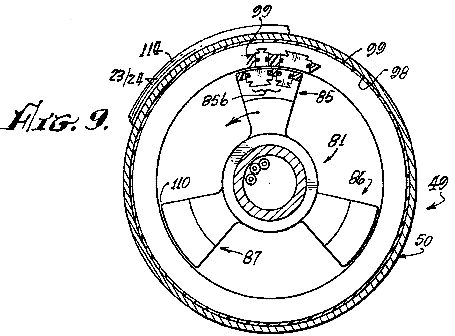
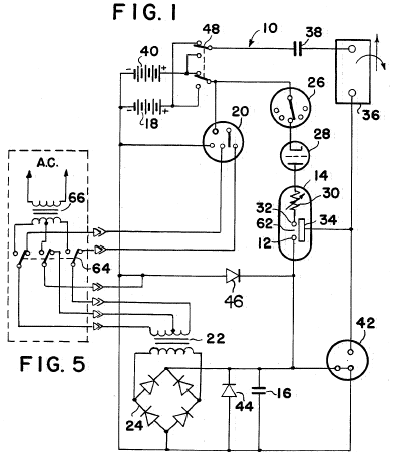
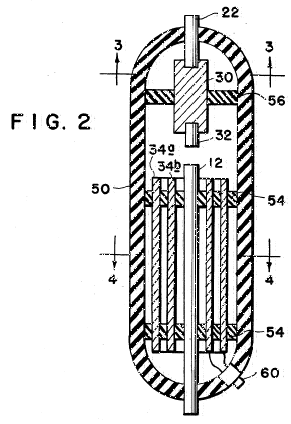
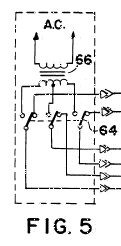
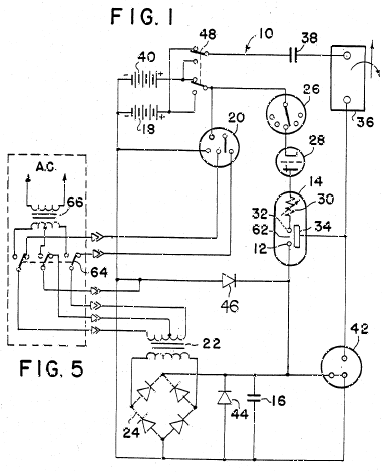
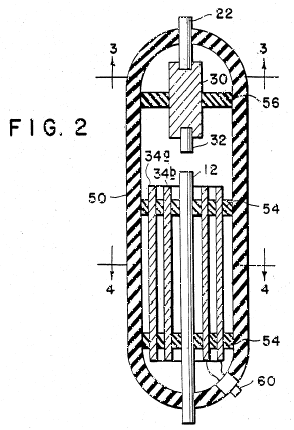
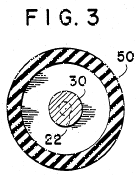
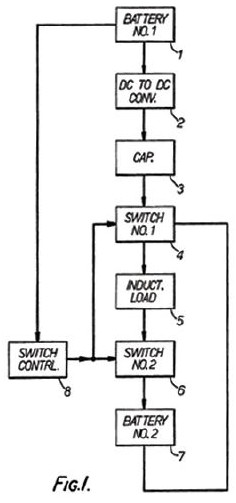
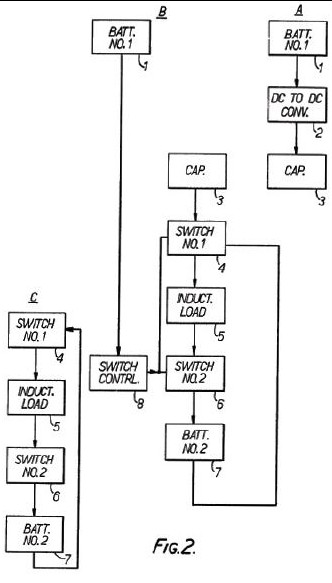
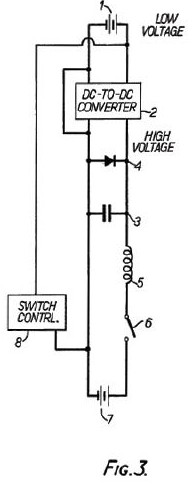
Gray's system uses a bank of high-voltage capacitors that are charged from a low-voltage battery. The capacitors are then rapidly discharged through electromagnets, producing a "cold" high-voltage pulse that propels the magnets without heating. Most of the energy is claimed to be fed back into the battery, allowing the source to run indefinitely while supplying external loads such as lights, radios and a TV.
Detailed Description
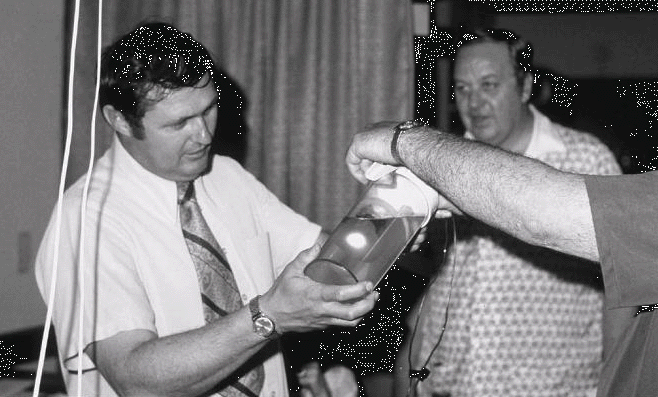
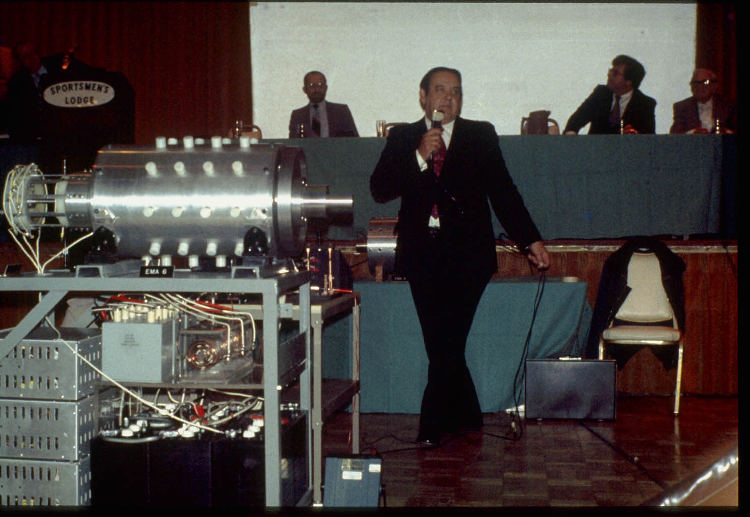
In the demonstration a 6 V lead-acid battery was connected to a series of capacitors and two one-pound electromagnets. When the switch was closed the voltage rose to about 3 kV, a loud pop was heard and the top magnet was thrust more than two feet into the air while remaining cold. The experimenters reported that only ~1 % of the stored energy was consumed, the rest returning to the battery. A second test used a 15 A motorcycle battery, the same capacitor bank, and powered six 15 W bulbs, a 110 V TV and two radios simultaneously without any measurable drop in battery voltage.
Principles
- Capacitive energy storage
- Pulsed high-voltage discharge
- Magnetic repulsion thrust
- Energy recovery to source battery
- Selective use of charge polarity ("split the positive")
Scientific Domains
Materials
- Lead-acid battery
- Capacitors (dielectric material not specified)
- Electromagnets (iron core, copper windings)
Mechanisms of Action
- Charging capacitors from a low-voltage battery
- Rapid discharge creating a high-voltage pulse
- Interaction of the pulse with electromagnets to produce thrust
- Feedback of residual energy back into the battery
Energy Sources
Applications
- Vehicle propulsion
- Home power supply
- Industrial power generation
Claimed Performance
Only 1 % of the stored energy is used per pulse; 99 % returns to the battery. The system can illuminate multiple 15 W bulbs, a TV and radios simultaneously without any measurable battery discharge.
Experimental Evidence
During a public demo a 6 V battery charged a capacitor bank to ~3 kV; a magnet was launched two feet high with a loud pop, and later a 15 A battery powered six 15 W bulbs, a TV and two radios while the battery voltage remained unchanged.
Replication Status
Demonstrated once by Gray and his associates; no independent replication reported.
Limitations
- No independent verification or peer-reviewed data
- Reliance on a battery for initial energy
- Claims of >99 % energy recovery lack quantitative measurement
Red Flags
- Extraordinary overunity claims without reproducible data
- Absence of peer-reviewed publications
- Potential for fraud or misinterpretation of measurements