Goal
Provide high-efficiency lift and thrust in a single wing-integrated fan system to enable short-take-off/landing (STOL) and VTOL capabilities with low stall speed and good fuel economy.
Problem
Conventional aircraft require separate lift-generating wings and thrust-producing propellers, leading to higher stall speeds, longer take-off distances, and lower low-speed lift efficiency.
Concept Summary
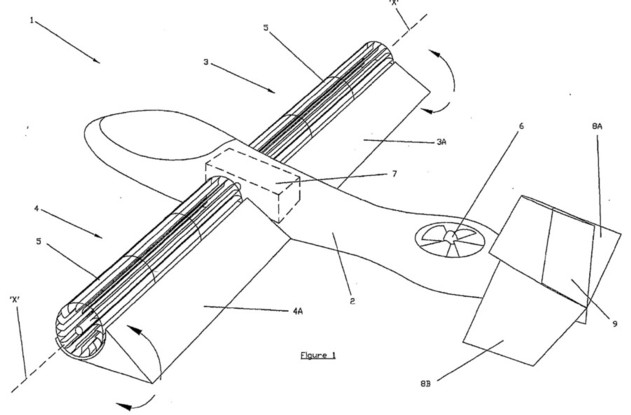
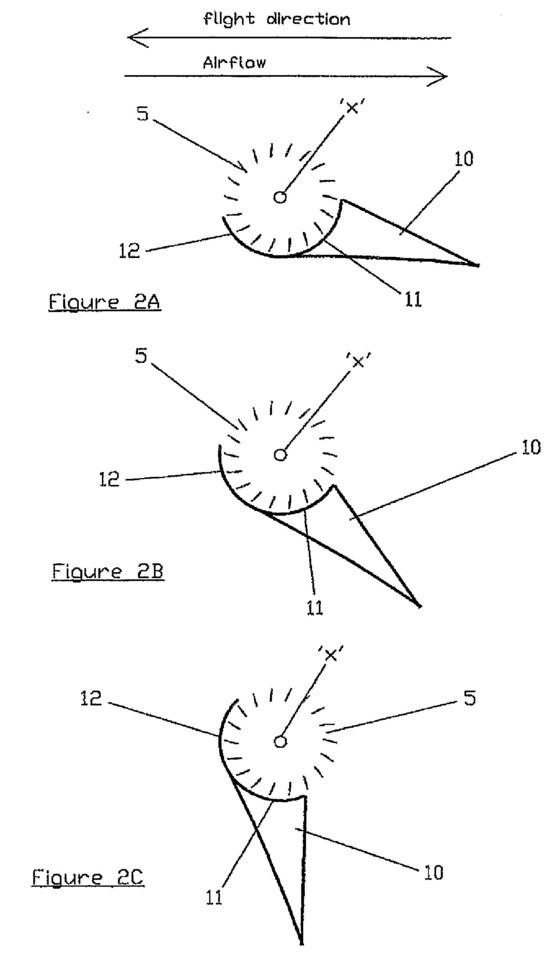
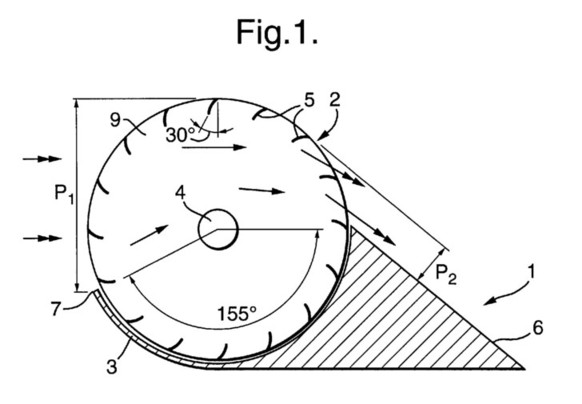
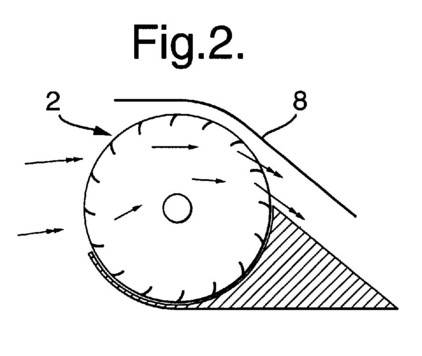
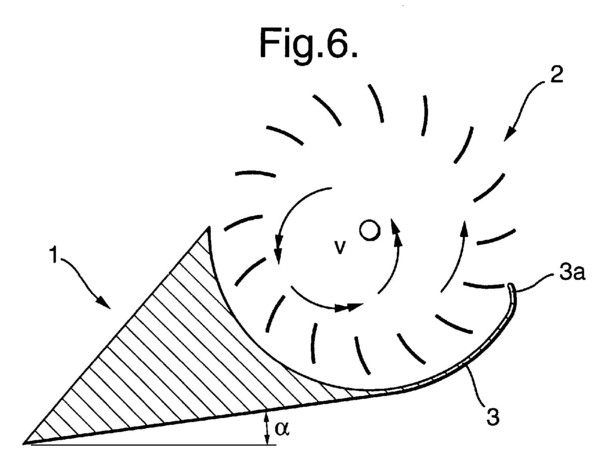
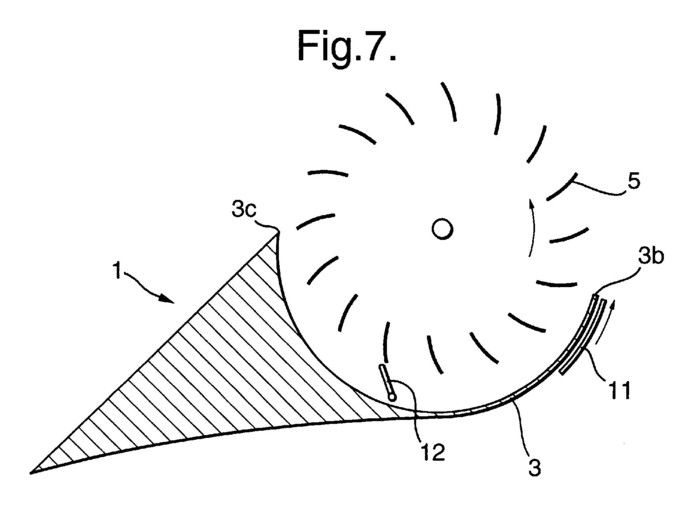
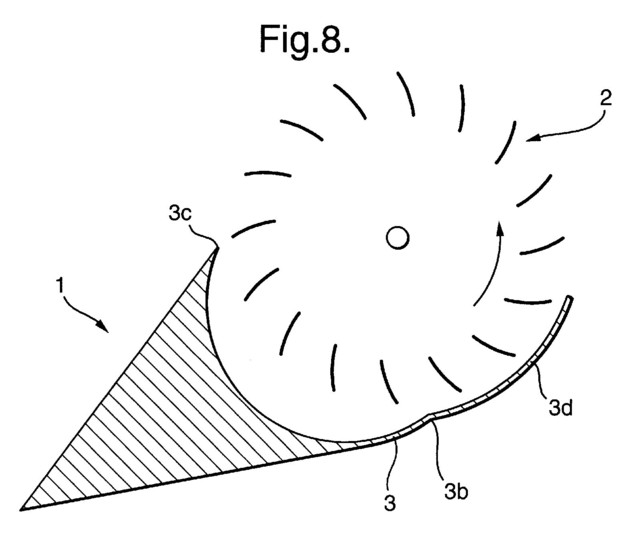
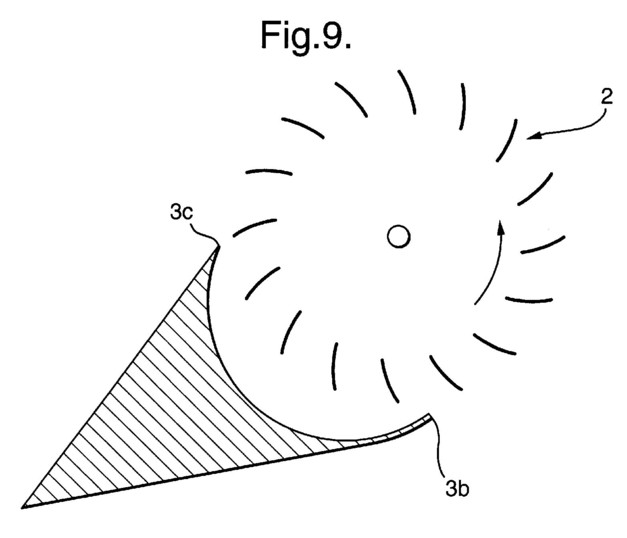
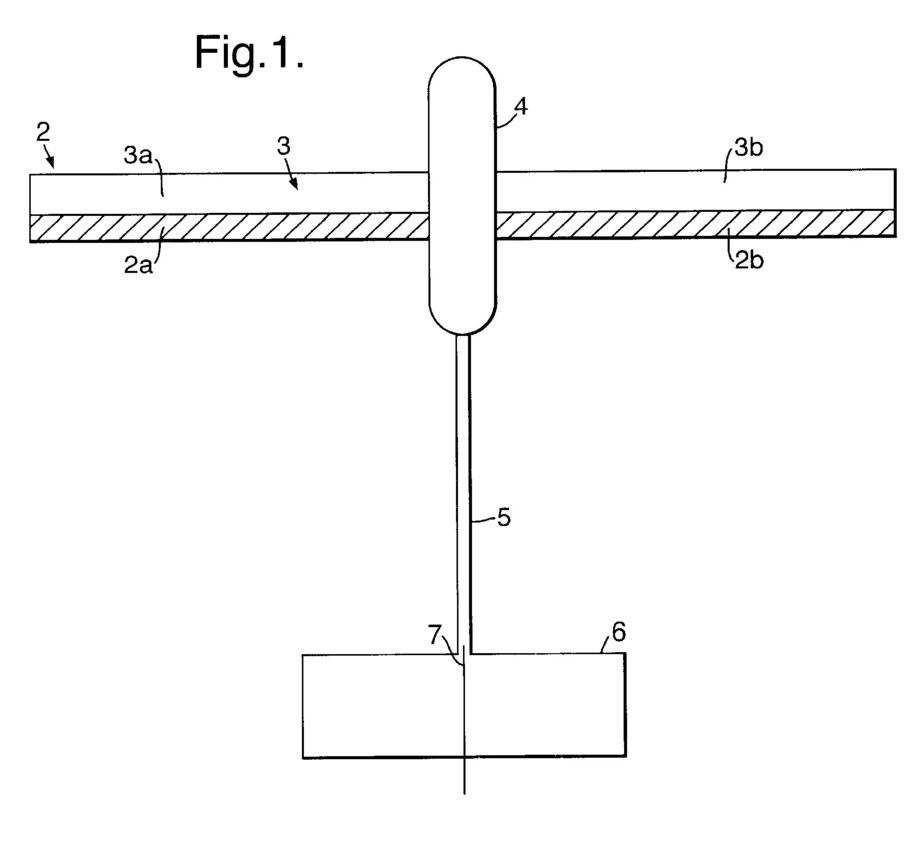
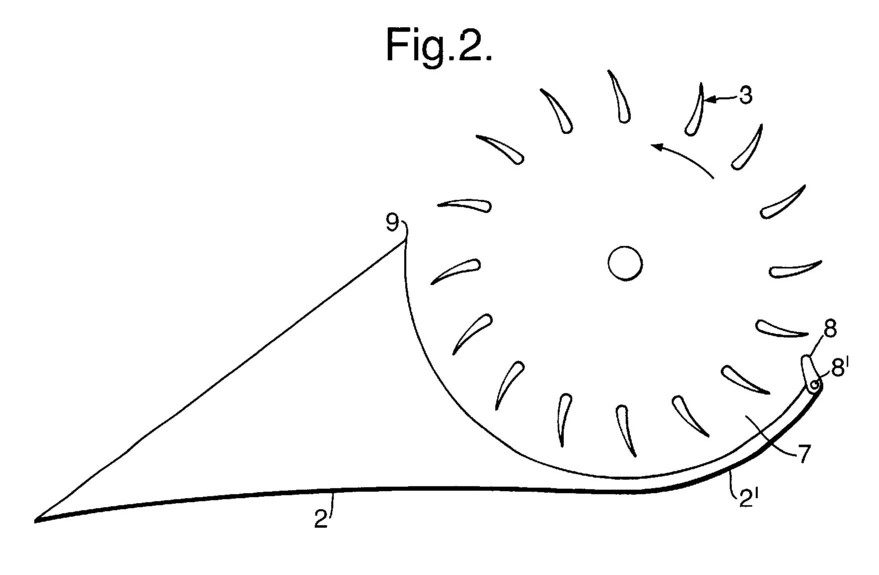
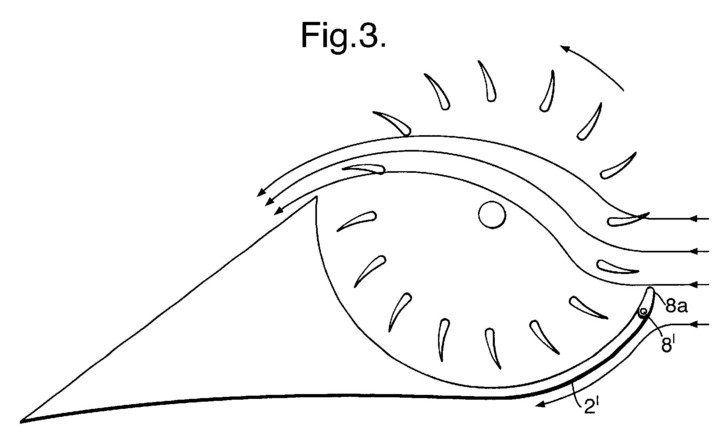
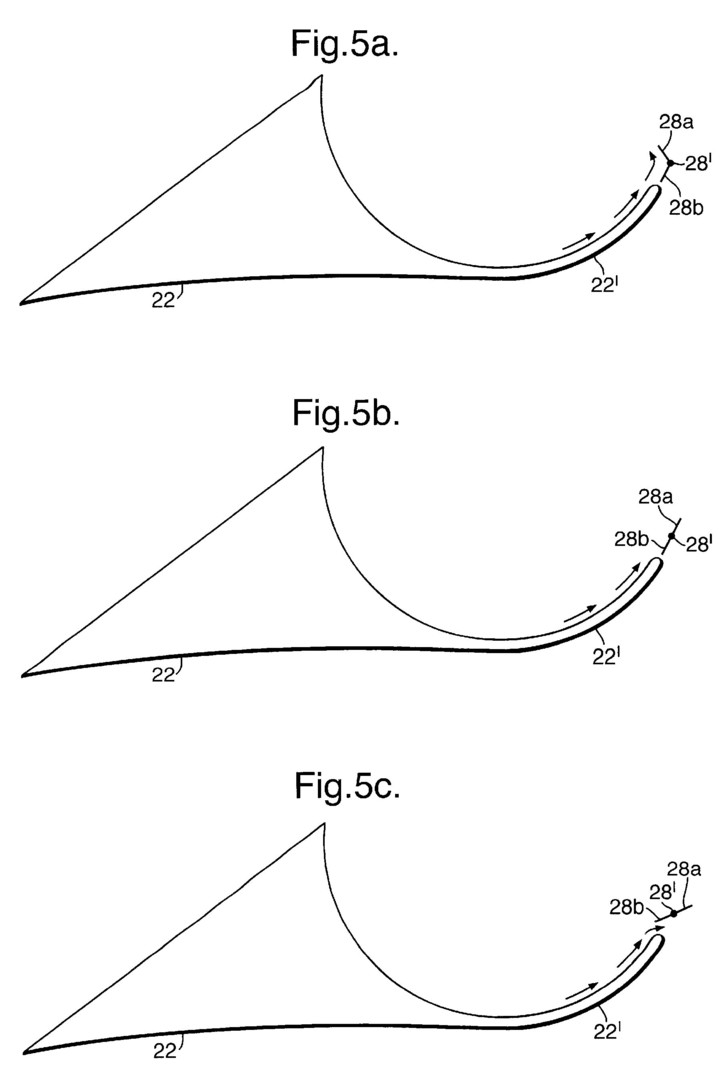
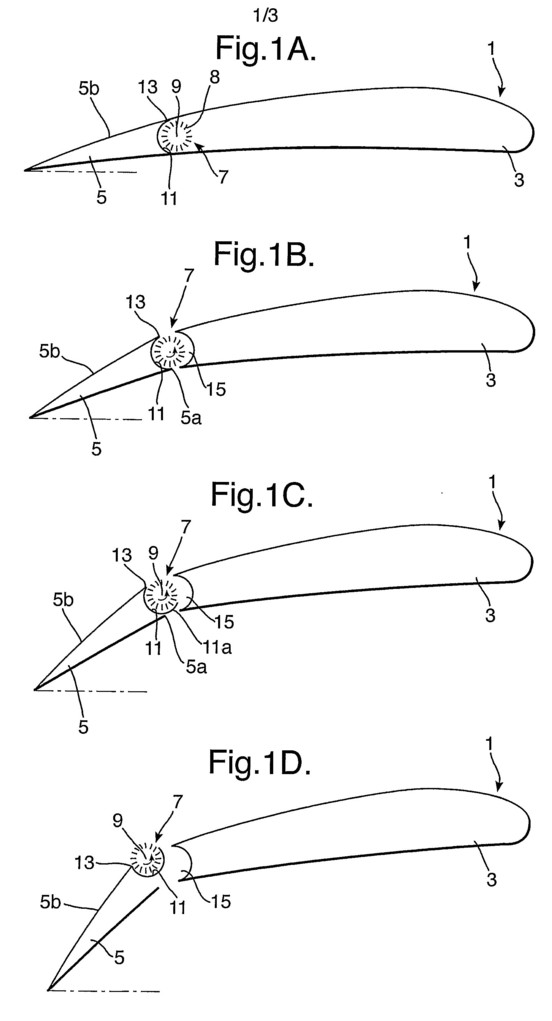
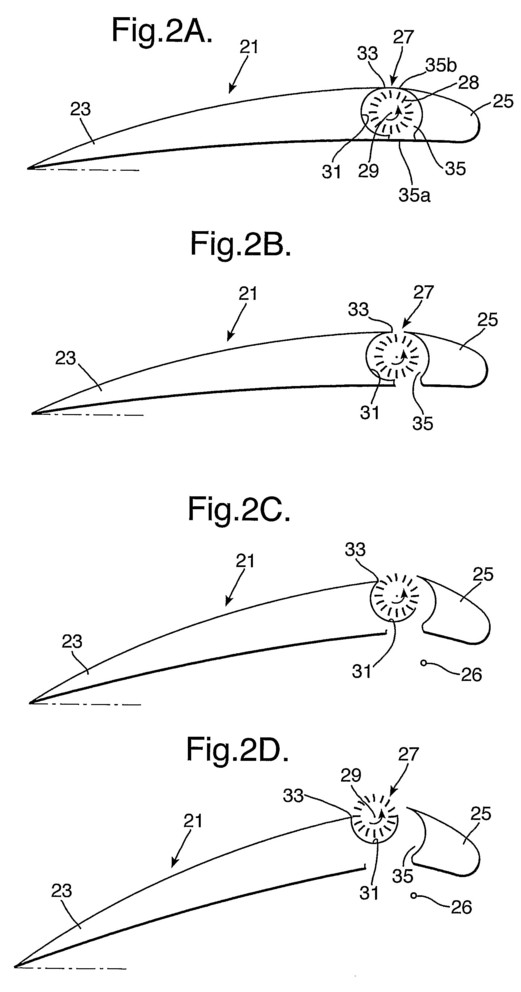
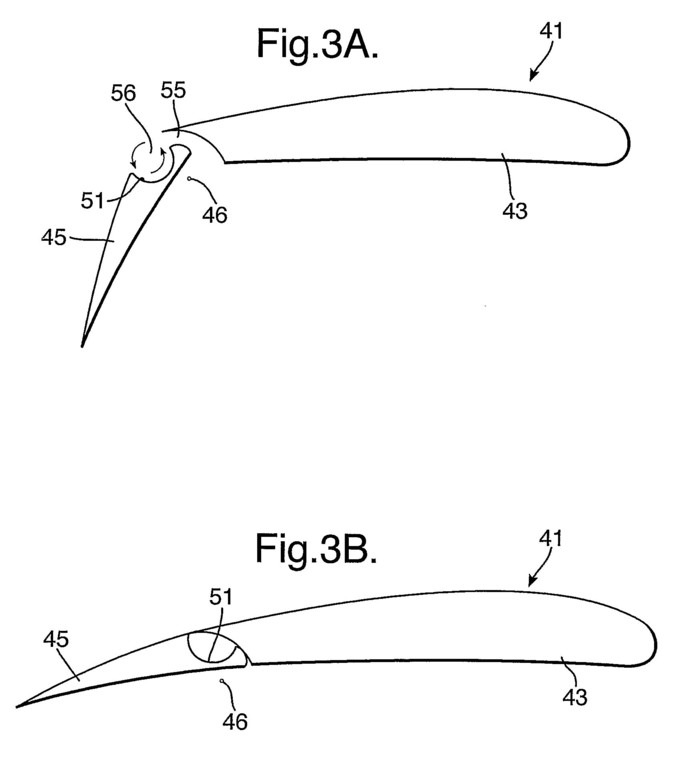
A fixed wing incorporates a cylindrical radial turbine (tangential-flow rotor) mounted near the leading edge. The rotor accelerates airflow twice-once as it passes over the rotor blades and again as it is directed toward the trailing edge-producing lift and thrust simultaneously. Twin-tail outboard stabilisers and a shroud create a vortex chamber that recovers energy from the wing-tip vortex. The system can autorotate for a controlled glide in case of power loss.
Detailed Description
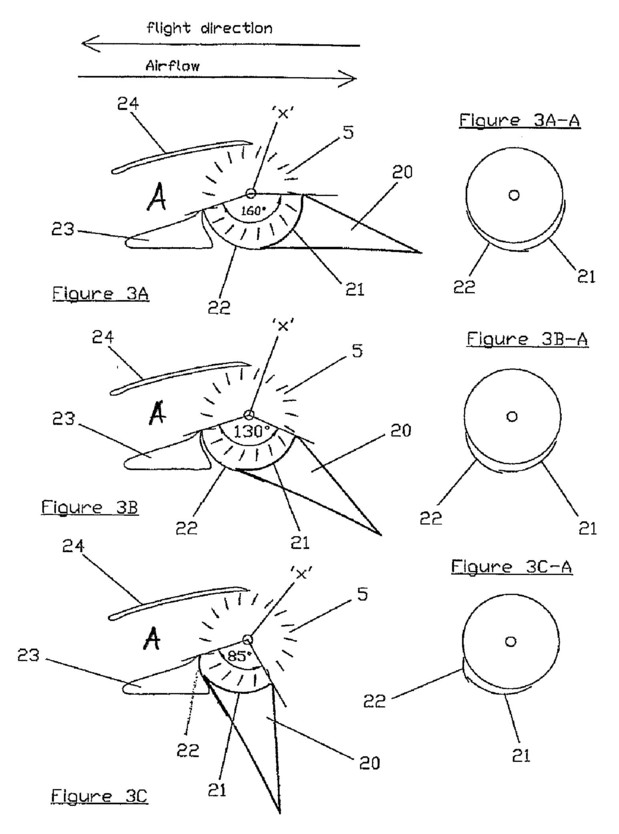
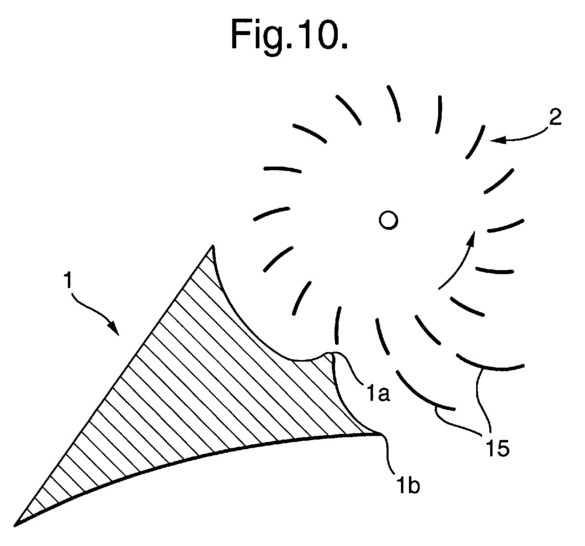
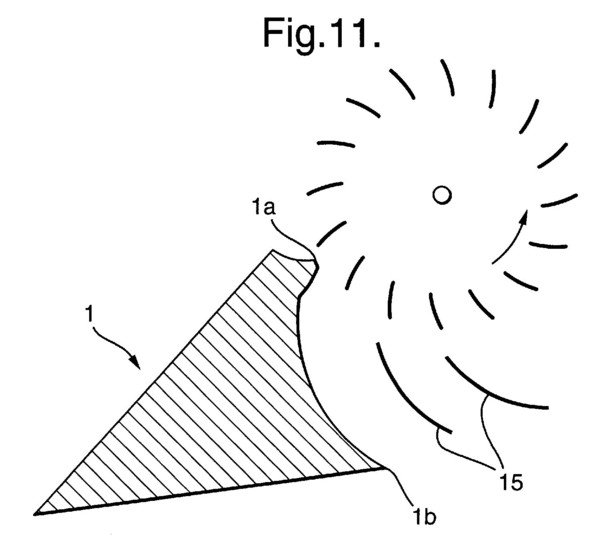
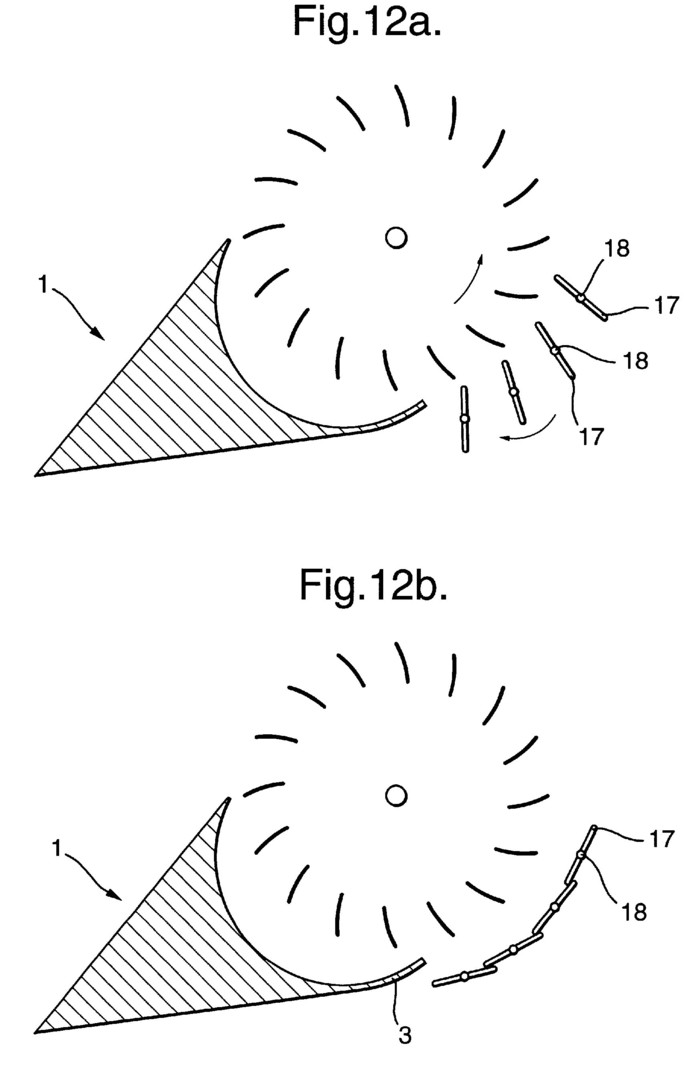
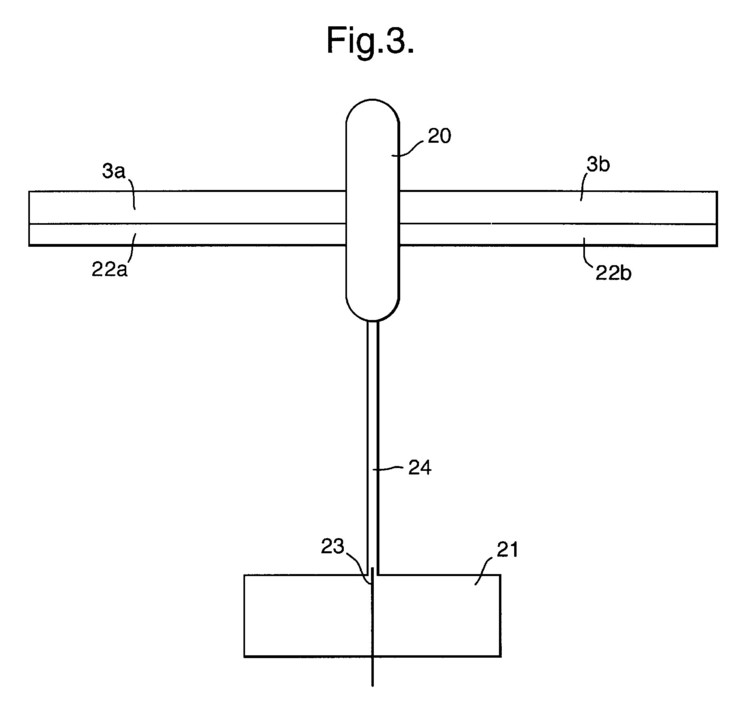
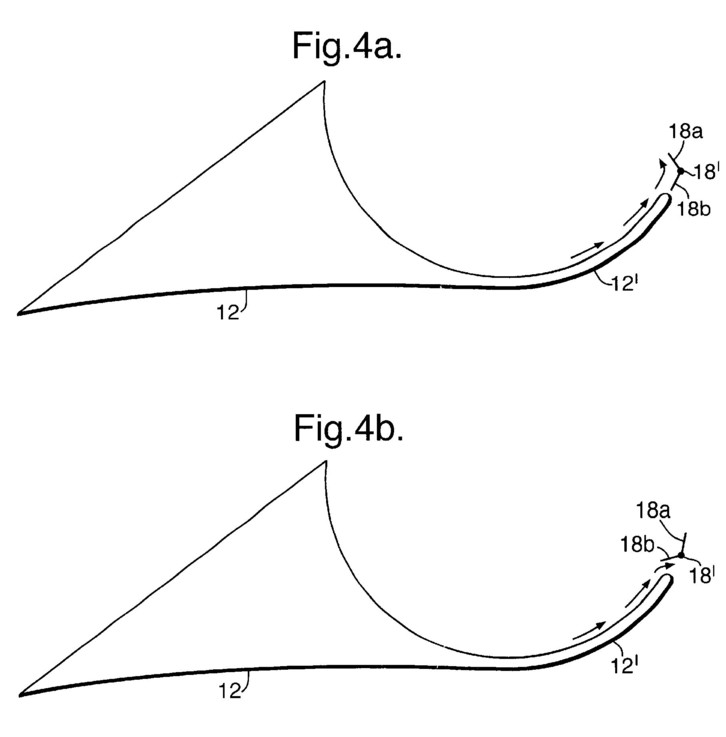
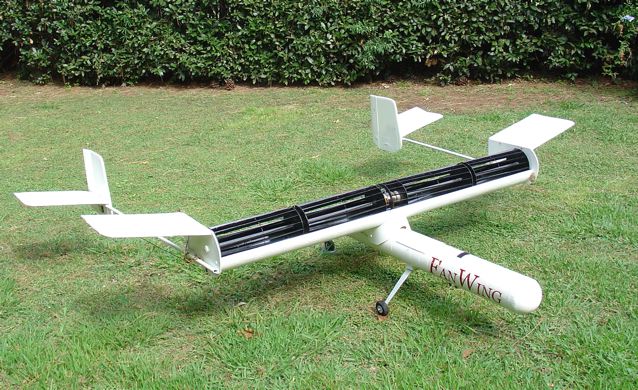
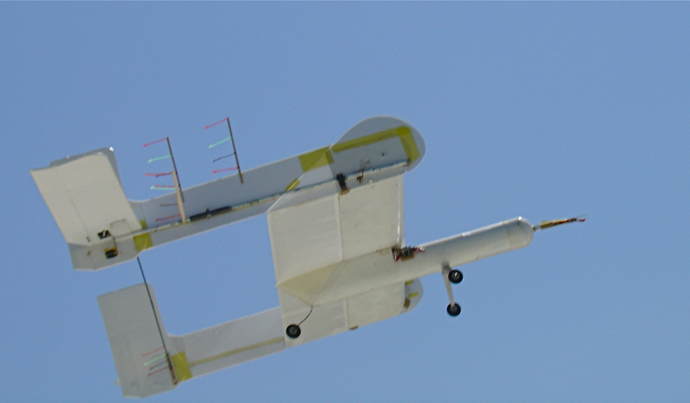
The FanWing uses two engines (or a single electric motor in a UAV version) driving opposite sides of the rotor for redundancy. The rotor is partially exposed, allowing a large portion of its circumference to interact with the wing's upper surface. Tail sections are movable about the rotor axis, providing thrust vector control. A shroud extending from the tail covers part of the rotor, forming a vortex chamber that enhances lift. Scale-model tests have demonstrated take-off rolls of ~1 m, cruise speeds up to 40 kt for a 20 lb prototype, and a predicted full-scale cruise of ~100 kt for a 22 000 lb aircraft. The design claims low stall speed, good turbulence stability, and short landing distances.
Principles
- Lift generation by forced airflow (tangential-flow rotor)
- Autorotation for glide recovery
- Vortex recovery via shroud and twin-tail design
Scientific Domains
Materials
- Composite material (air UAV prototype)
- Metal alloy (rotor blades)
- Carbon-fiber reinforced polymer (airframe)
Mechanisms of Action
- Cylindrical radial turbine accelerates air twice, increasing velocity over the wing
- Shroud creates a vortex chamber that adds low lift
- Movable tail sections vector thrust and control pitch
Energy Sources
Applications
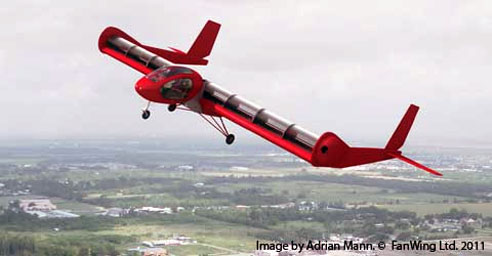
- Light-sport aircraft
- STOL UAV surveillance
- Heavy-lift cargo aircraft (conceptual)
Claimed Performance
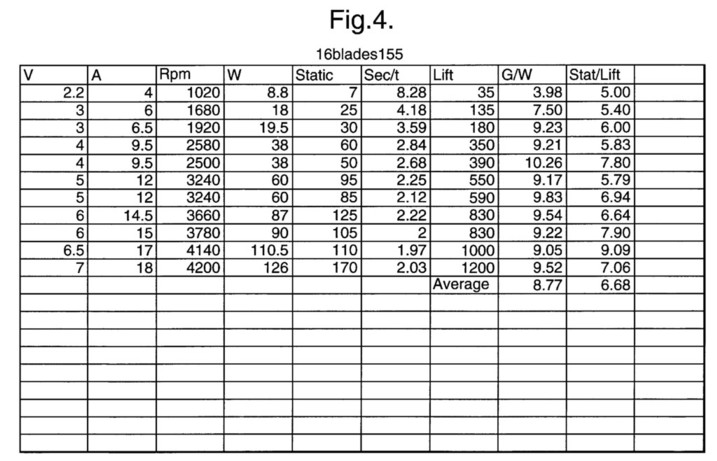
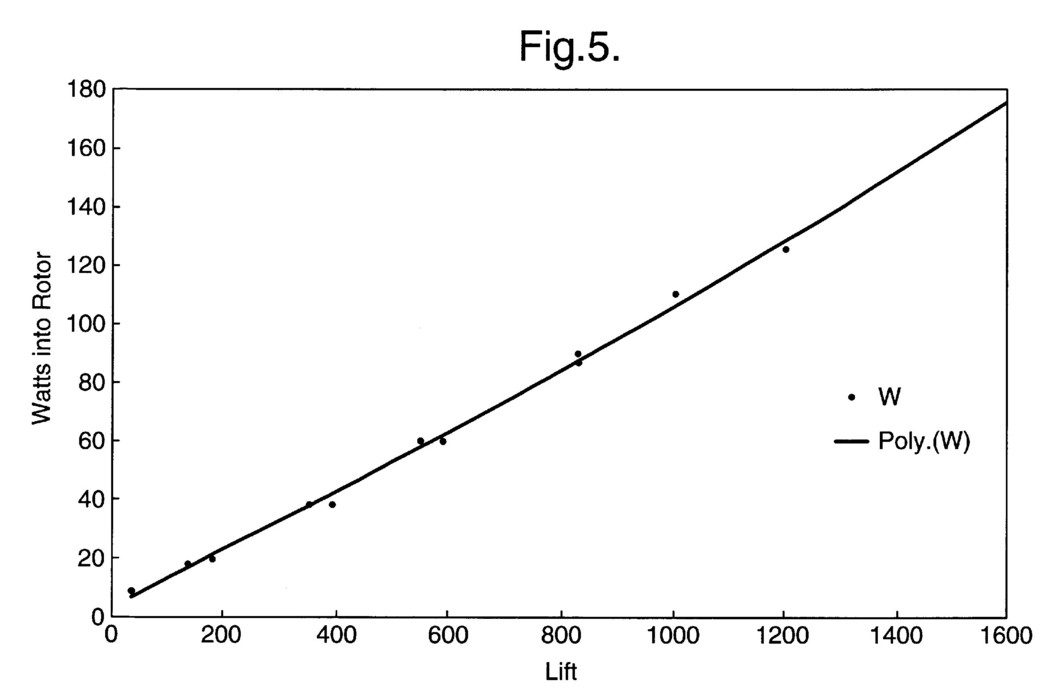
100 hp can lift 5 732 lb; 20.9 lb prototype takes off in 12 ft, flies 10 min at 40.5 kt; UAV prototype: 15.5 kt, 80 min endurance; predicted full-scale cruise ~100 kt, glide ratio ~3:1.
Experimental Evidence
Wind-tunnel testing at Imperial College London; scale-model flight tests funded by UK government agencies; remote-controlled prototype flights in Italy achieving 12 ft take-off roll and 40 kt speed.
Replication Status
Scale-model flight tests completed; full-scale prototype not yet built.
Limitations
- Low glide ratio (~3:1) in power-loss scenario
- Throttle directly affects pitch, requiring careful handling
- Full-scale performance not yet demonstrated