Goal
Boost the immune system of HIV/AIDS patients and improve clinical markers such as CD4 count.
Problem
Human Immunodeficiency Virus (HIV) infection and acquired immunodeficiency syndrome (AIDS).
Concept Summary
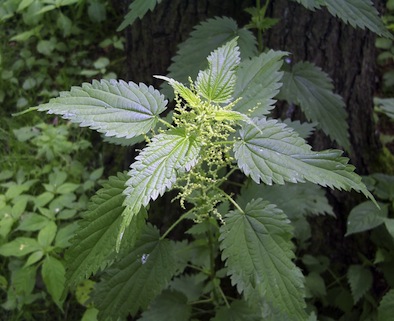
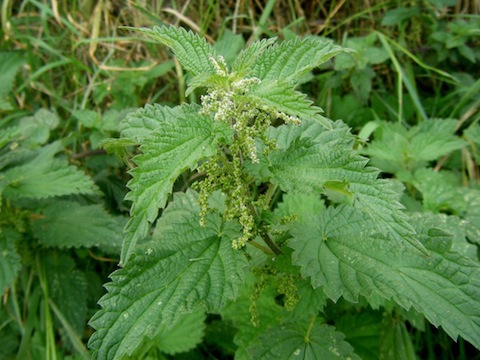
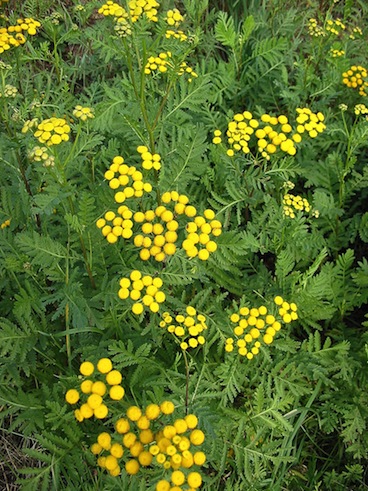
A herbal extract (IMOD) composed of Tanacetum vulgare (tansy), Rosa canina (rosehip), Urtica dioica (nettle) together with selenium, flavonoids and carotenes. The extract may be exposed to a pulsed high-frequency electromagnetic field before formulation. It is claimed to act as an immunomodulator, raising CD4 counts, improving lipid and liver profiles, and having antioxidant and anti-inflammatory effects when used alongside standard anti-retroviral therapy.
Detailed Description
The invention describes a method for preparing a herbal extract: (a) providing plant material from Rosa sp., Urtica dioica and/or Tanacetum vulgare; (b) drying the material (20-50 deg C, 3-4 days); (c) extracting with ethanol (60-96 % v/v, preferably ~96 %); (d) incubating 20-40 days at 20-50 deg C; (e) obtaining the extract; (f) optionally adding selenium (1-100 mg/L, preferably 5-50 mg/L) and/or urea; (g) exposing the extract to a pulsed electromagnetic field (5-750 kHz, 10-200 W, 100-150 uT, 2-5 min, repeated three times). The final composition can be formulated for oral administration (solution, syrup, tablet, etc.) and is intended as an adjunct to HAART. Clinical observations report a significant rise in CD4 counts and modest improvements in lipid and liver parameters with minimal side effects.
Principles
- Immunomodulation
- Antioxidant activity
- Anti-inflammatory effect
- Pulsed electromagnetic field exposure
Scientific Domains
Materials
- Tanacetum vulgare (tansy)
- Rosa canina (rosehip)
- Urtica dioica (nettle)
- Selenium
- Flavonoids
- Carotenes
- Ethanol (organic solvent)
- Urea (optional)
Mechanisms of Action
- Enhancement of CD4+ T-cell count
- Modulation of dendritic cell maturation
- Reduction of oxidative stress
- Synergistic effect of herbal phytochemicals with EM field
Energy Sources
Applications
- Adjunct therapy for HIV/AIDS patients
- Immune system support
- Potential use in other immune-deficient conditions
Claimed Performance
Significant increase in CD4 count in treated HIV patients; improvement in lipid profile and liver metabolism; minor side-effects reported.
Experimental Evidence
Clinical trial phases involving 200 patients reported a rise in CD4 count; a review article (2012) summarizes safety and efficacy data.
Replication Status
Tested on 200 patients (as reported by IRNA).
Limitations
- Not a cure; only adjunct to existing antiretroviral drugs
- Limited clinical data (small patient cohort, no large-scale randomized trials)
- Mechanistic role of the pulsed electromagnetic field not fully elucidated
Red Flags
- Claims of significant CD4 increase based on limited, non-peer-reviewed data
- Potential over-reliance on a proprietary EM-field process without clear scientific validation
- Lack of independent replication outside the inventors' group