Goal
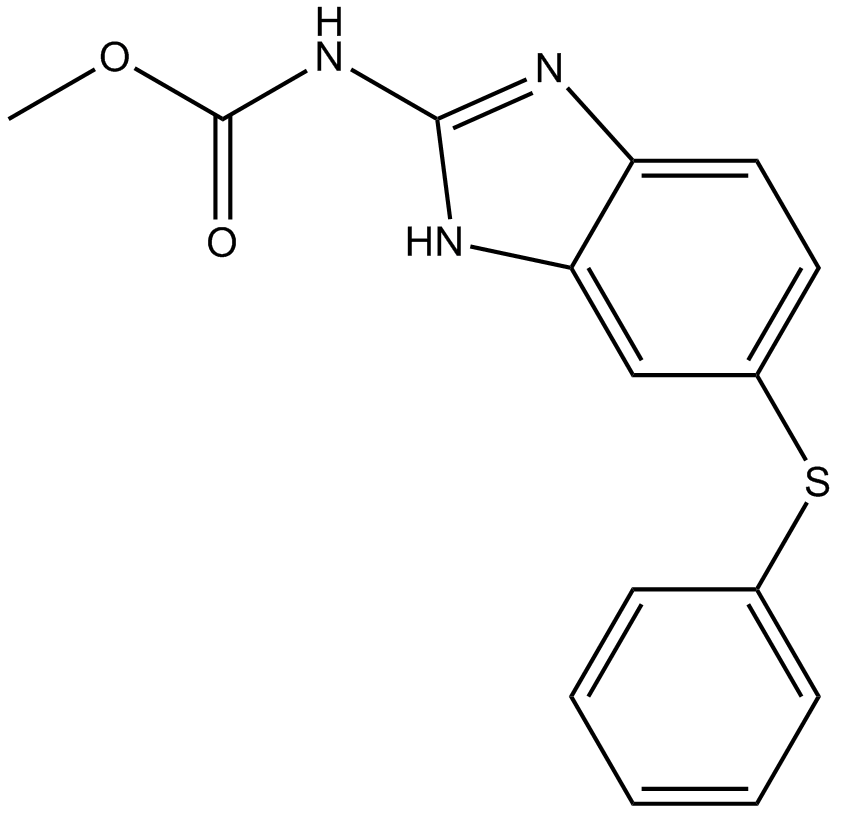
Use the anti-worm drug fenbendazole as an anti-cancer therapy
Problem
Various cancers, especially small-cell lung cancer and metastatic tumors
Concept Summary
Fenbendazole, a benzimidazole anti-worm medication, is reported to have anti-cancer activity by destabilising microtubules, inhibiting glucose uptake, blocking proteasome function and inducing apoptosis. Anecdotal human case reports and in-vitro studies suggest tumour regression and long-term remission, though no controlled clinical trials exist.
Detailed Description
The article describes the case of Joe Tippens, a patient with late-stage small-cell lung cancer who, after being given a prognosis of three months, took fenbendazole (a veterinary de-wormer) alongside vitamin E, CBD and curcumin. Within weeks his PET scans showed no detectable cancer, and he remained cancer-free for at least two years. The text also cites a Nature paper reporting that fenbendazole acts as a moderate microtubule-destabilising agent, blocks GLUT4-mediated glucose uptake, interferes with the proteasome, and triggers apoptotic pathways in cancer cells. Additional anecdotal reports of remission in pancreatic, prostate, colorectal, melanoma and glioblastoma are mentioned. The drug is inexpensive, widely available as Panacur/Safe-Guard, and is considered to have low toxicity compared with conventional chemotherapy, but no formal clinical trials have been conducted.
Principles
- Microtubule destabilisation
- Proteasome inhibition
- Glucose uptake blockade
- Induction of apoptosis
- Metabolic starvation of cancer cells
Scientific Domains
Materials
- Fenbendazole (benzimidazole compound)
- Panacur (commercial formulation)
- Safe-Guard (commercial formulation)
Mechanisms of Action
- Microtubule destabilisation
- Proteasome inhibition
- Inhibition of GLUT4 glucose transporter expression
- Induction of G2/M cell-cycle arrest and apoptosis
Applications
- Adjunct cancer therapy
- Potential standalone anti-cancer agent
Claimed Performance
Complete disappearance of detectable cancer within weeks to months; long-term cancer-free status maintained for years in anecdotal reports.
Experimental Evidence
Anecdotal human case (Joe Tippens) with PET scans showing no cancer after fenbendazole treatment; in-vitro studies and a Nature paper demonstrating microtubule destabilisation and cancer-cell death; additional anecdotal reports of remission in several cancer types.
Replication Status
No independent clinical replication reported; only isolated case reports and pre-clinical studies.
Limitations
- No peer-reviewed clinical trials
- Reliance on anecdotal evidence
- Unclear optimal dosing and pharmacokinetics in humans
- Potential drug-interaction risks
Red Flags
- Self-medication without medical supervision
- Lack of regulatory approval for cancer treatment
- Potential for misinformation and scams