Goal
Generate useful mechanical power with higher efficiency than conventional steam engines by using internal vaporization of high-pressure liquid water.
Problem
Large latent-heat losses and low efficiency of traditional steam RankRankine) engines, need for bulky condensers and high water consumption.
Concept Summary
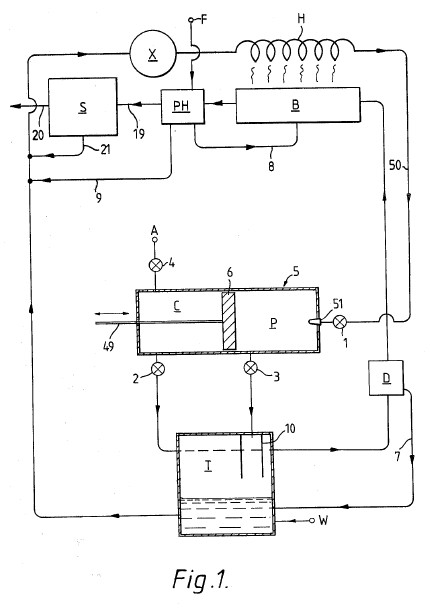
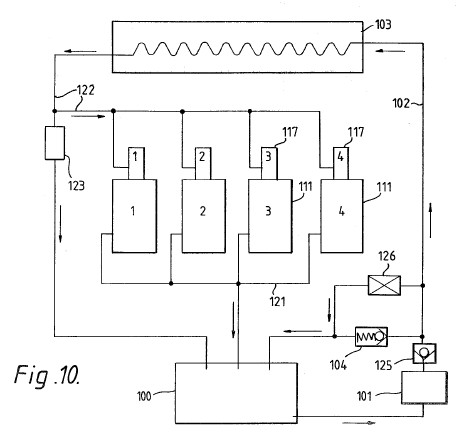
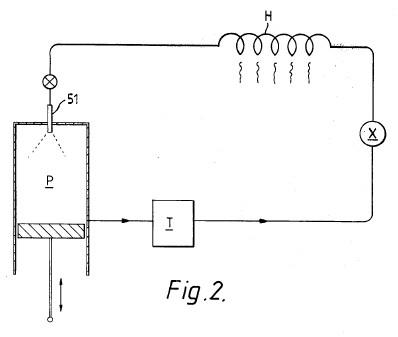
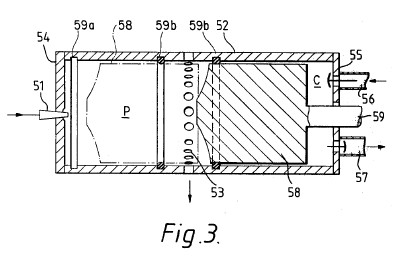
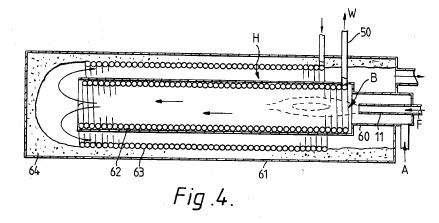
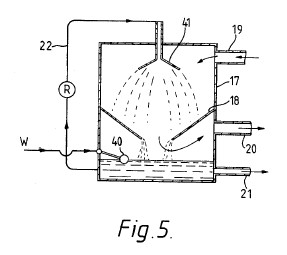
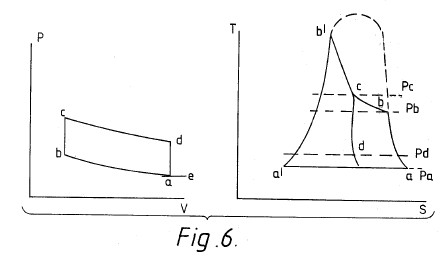
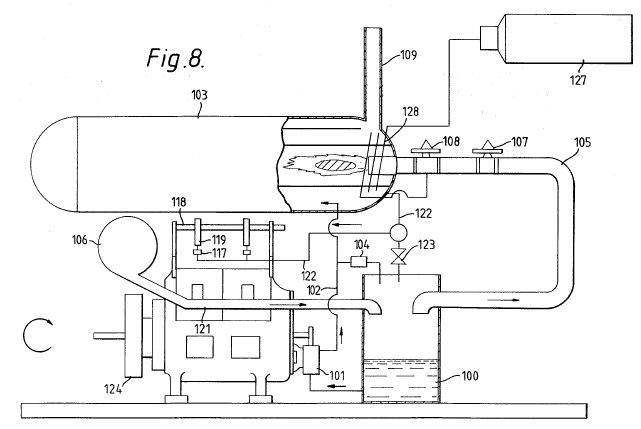
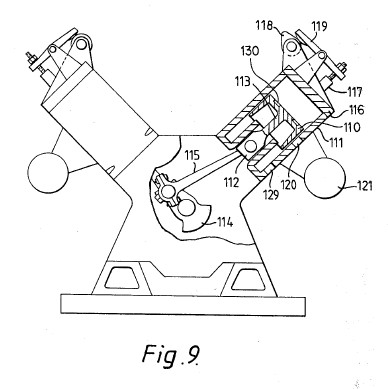
The Fischer Cycle Engine is an internal-vaporization hydraulic heat engine. Pressurized, heated liquid water (~=3,100 psig, 700 deg F) is injected directly onto the piston head, producing hydraulic force. Only a small fraction (~10 %) of the water vaporizes; the remainder is discharged as liquid and recycled, reducing waste heat and water loss.
Principles
- Thermodynamics
- Heat Transfer
- Hydraulic Power
Scientific Domains
Materials
- Water
- Steel
- High-strength alloys
Mechanisms of Action
- Internal vaporization of high-pressure liquid water
- Hydraulic piston actuation
- Direct liquid-to-piston force transmission
Energy Sources
Applications
- Home power generation
- Industrial heat-to-power conversion
- Potential low-emission power plants
Claimed Performance
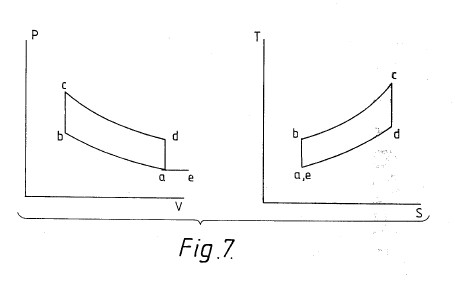
Higher thermal efficiency than conventional steam engines; only ~10 % of water mass vaporizes per stroke, reducing latent-heat loss.
Experimental Evidence
Prototype engines built in Australia (millions spent on development) and later in the United States; five U.S. patents issued; anecdotal reports of operation but no quantitative performance data.
Replication Status
Only prototypes built by the inventor and collaborators; no independent peer-reviewed replication reported.
Limitations
- Requires very high water pressure and temperature
- No publicly verified efficiency data
- Potential thermodynamic limits not experimentally demonstrated
Red Flags
- Free-energy claims without peer-reviewed evidence
- Reliance on anecdotal reports and patents only