Goal
Increase vehicle fuel mileage, reduce emissions, and enable operation on multiple fuel types.
Problem
Low fuel efficiency, high fuel costs, dependence on refined gasoline and octane rating, and excessive exhaust emissions.
Concept Summary
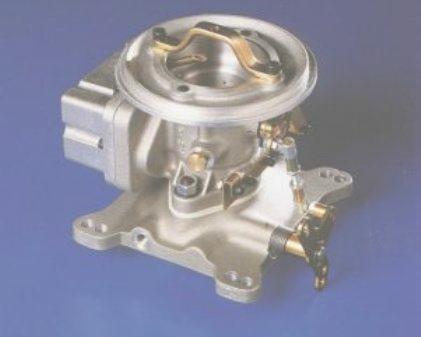
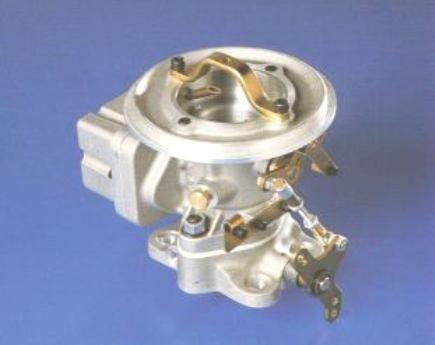
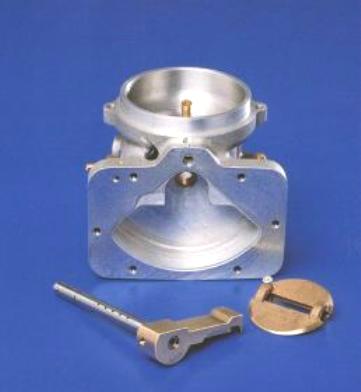
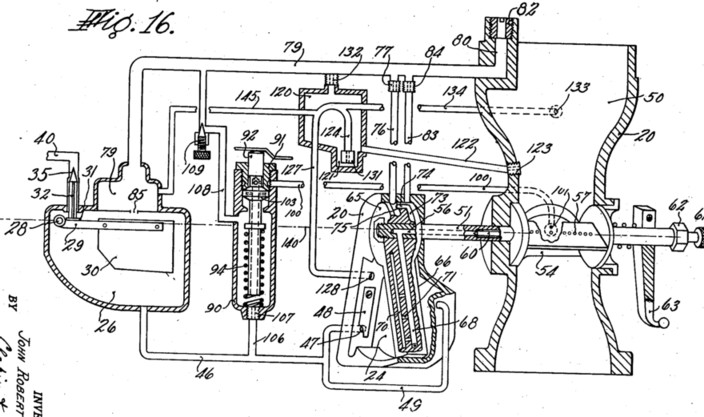
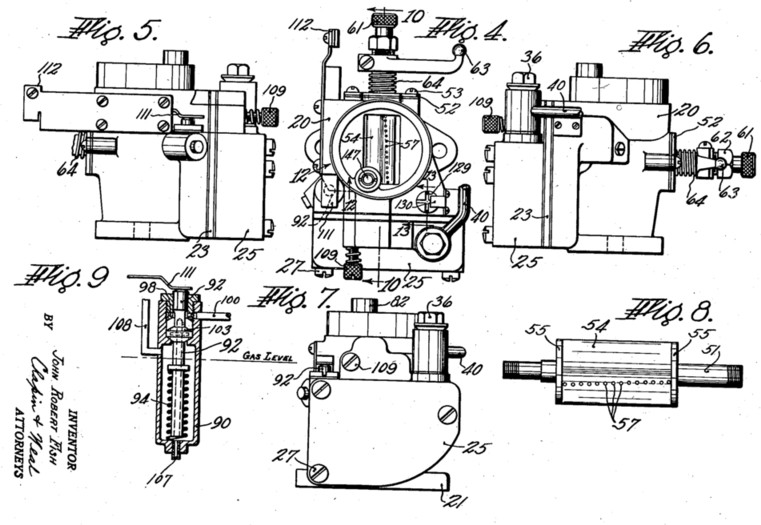
The Fish carburetor is a low-part-count fuel-air mixing device that claims to eliminate vacuum drag, allow rapid fuel switching, and improve combustion efficiency, resulting in higher mileage, lower emissions, and the ability to run gasoline, kerosene, alcohol, diesel, crude oil, or other fuels.
Detailed Description
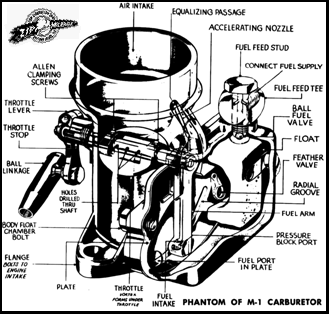
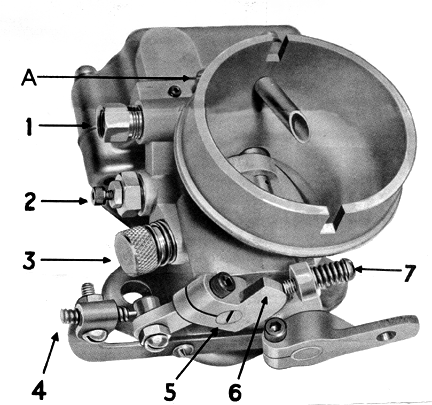
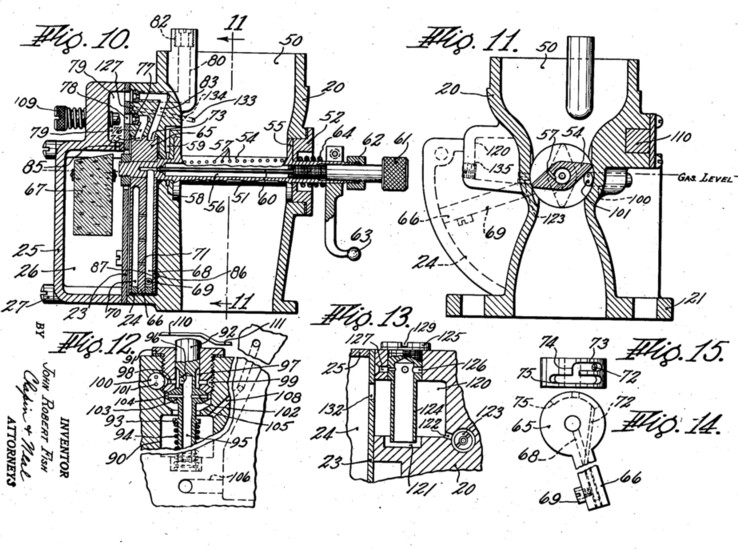
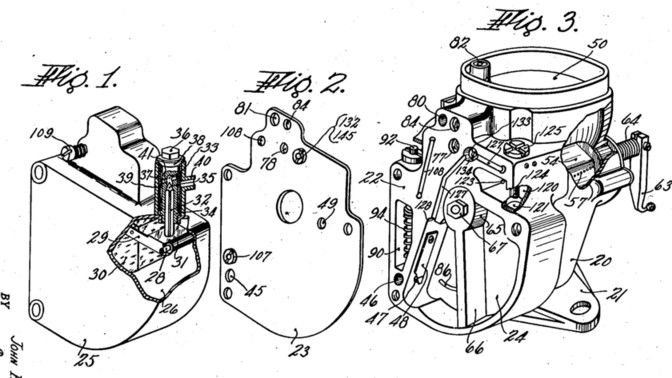
The Fish carburetor uses only three moving parts and a total of seventeen components. It is designed to mix fuel and air more efficiently than conventional carburetors, eliminating vacuum drag from deactivated pistons. The device can be adjusted in seconds to switch between different fuels and is marketed as capable of delivering up to 30 % more horsepower or up to 35 % better mileage, with the possibility of "zero emissions" when set appropriately. Brown Carburetor Company retails the unit for about $189-$500. Demonstrations include a 350 Chevy engine running on crude oil, kerosene, diesel, and dry-cleaning solvent with rapid adjustment, and a diesel sports car achieving 121 mpg using the technology in conjunction with a university team.
Principles
- Fuel-air mixture regulation
- Multi-fuel adaptability
- Elimination of vacuum drag
- Low-friction moving parts
Scientific Domains
Materials
- Brass
- Steel
- Aluminum
- Rubber (gaskets and seals)
Mechanisms of Action
- Precise metering of fuel and air to achieve optimal stoichiometric ratios
- Rapid fuel-type switching via adjustable jets
- Reduction of pumping losses by deactivating cylinders without vacuum drag
Energy Sources
Applications
- Aftermarket automotive fuel-efficiency retrofit
- Multi-fuel engine conversion
- Emission-reduction devices for gasoline engines
Claimed Performance
Up to 35 % mileage improvement, up to 30 % more horsepower, multi-fuel operation, and the ability to set the device for "zero emissions".
Experimental Evidence
Guentzler estimated a 35 % road mileage gain for the Brown/Fish/Guentzler unit; a Reflan system tested on a treadmill dynamometer showed a 66 % improvement; a 350 Chevy was demonstrated switching between crude, kerosene, diesel, and solvent in 7 seconds with lower emissions than conventional carburetors.
Replication Status
No independent replication reported; performance data come from the inventor and Brown Carburetor Company.
Limitations
- Performance claims lack independent, peer-reviewed data
- May be incompatible with modern fuel-injection systems
- Dependence on high compression ratios for optimal operation
- Zero-emission claim is unverified
Red Flags
- Extraordinary claims (e.g., zero emissions, 121 mpg) without peer-reviewed evidence
- Narrative of suppression and conspiracy
- Lack of independent replication or third-party testing
- Marketing language rather than scientific documentation