Goal
Provide ship propulsion by extracting energy from wind using rotating cylinders (Magnus effect) to reduce fuel consumption and increase speed.
Problem
High fuel usage of steam/combustion ships and limited performance of traditional sails; need for cheaper, abundant propulsion source.
Concept Summary
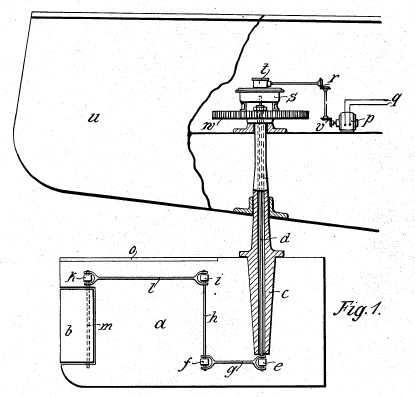
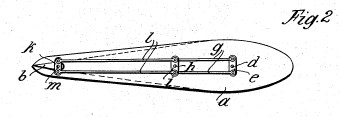
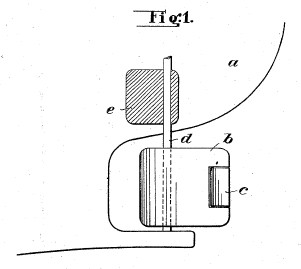
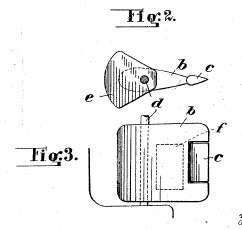
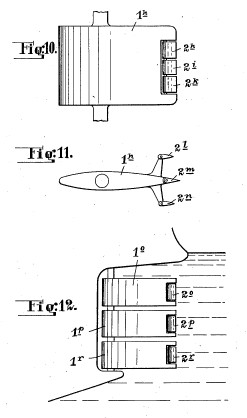
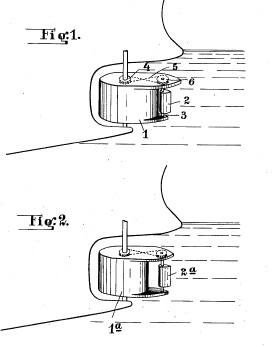
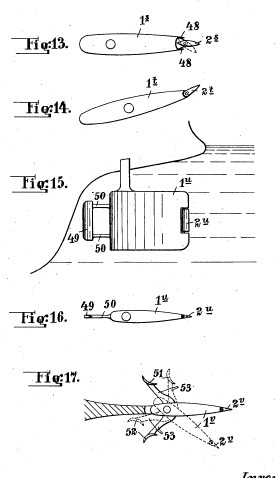
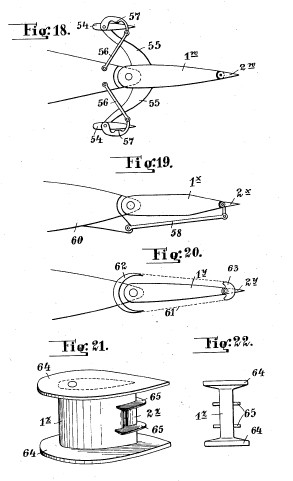
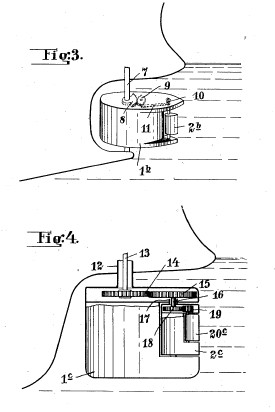
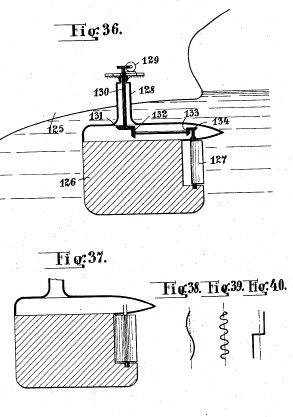
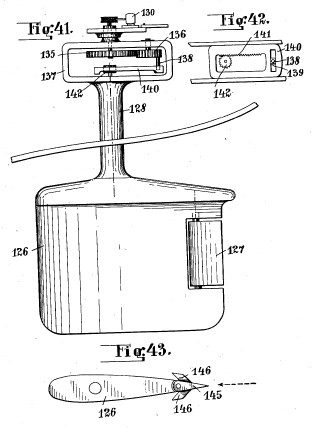
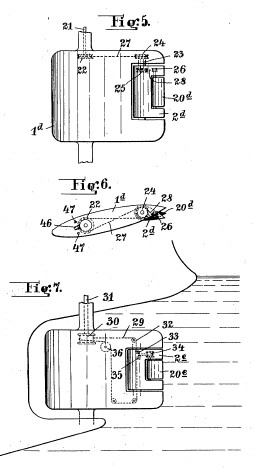
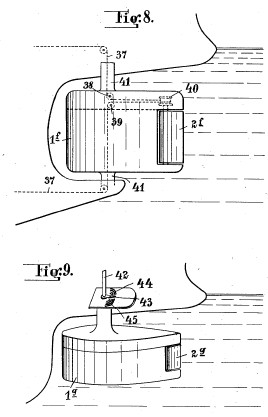
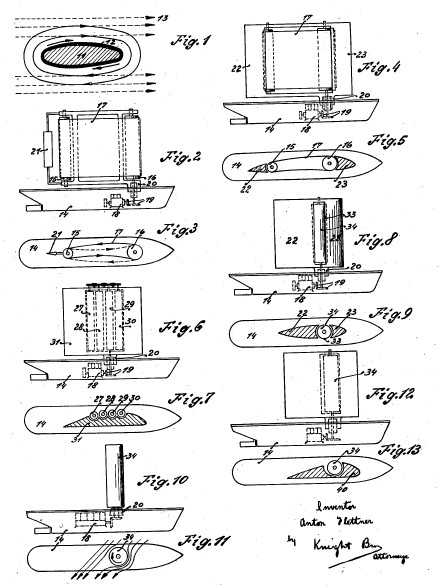
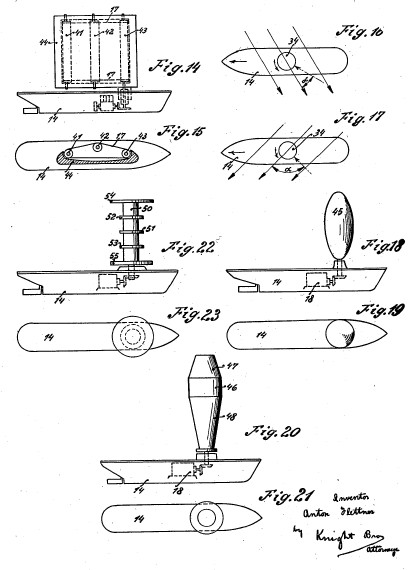
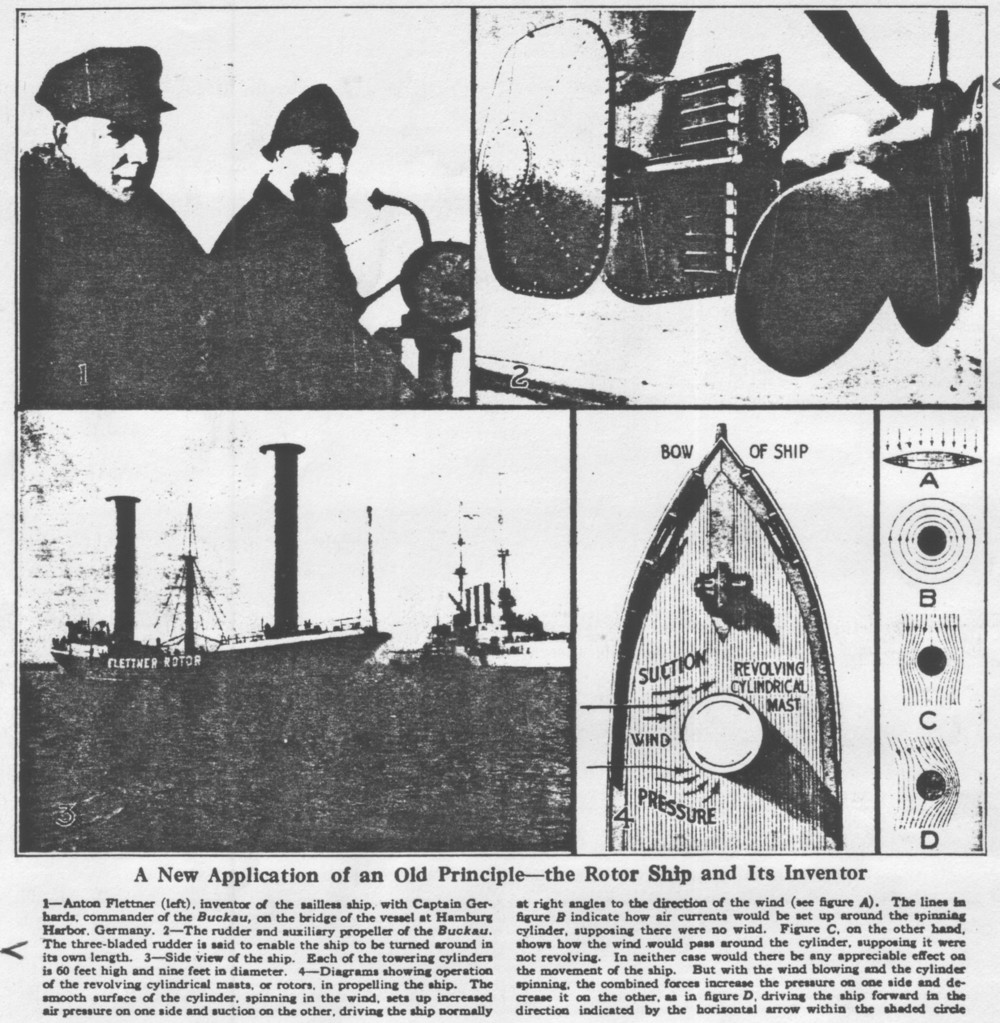
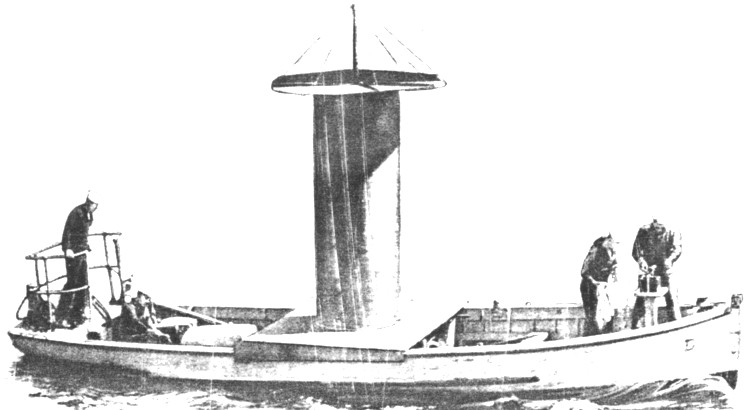
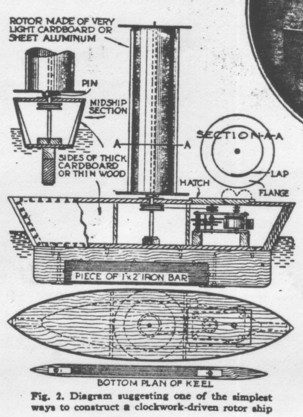
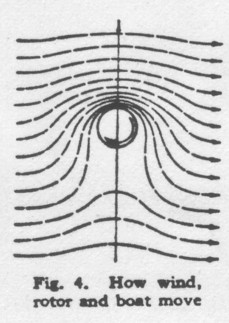
Rotating cylindrical rotors mounted on a ship interact with wind to create a pressure differential (Magnus effect). The resulting suction and pressure forces generate thrust perpendicular to the wind, propelling the vessel without sails or conventional engines.
Principles
- Magnus effect
- Aerodynamic lift
- Pressure differential
Scientific Domains
Materials
- Sheet iron
- Steel
Mechanisms of Action
- Rotating cylinders generate lift perpendicular to wind direction
- Suction on leeward side creates forward thrust
Energy Sources
Applications
- Commercial shipping
- Marine transport
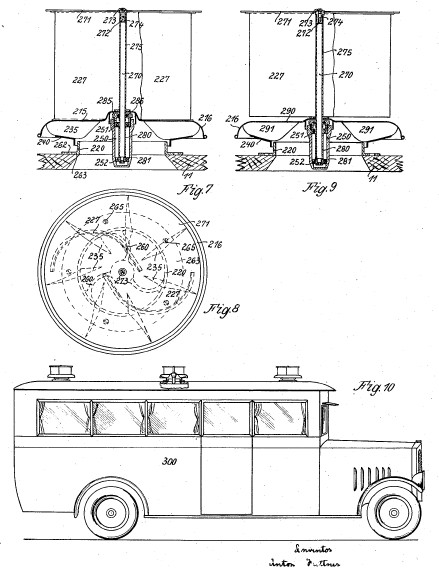
- Potential land-based wind power
Claimed Performance
Twin 60-ft rotors driven by 20 hp electric motors extract ~=1 000 hp from wind, produce a thrust of about 12 000 lb (~=10 % loss), double the speed of a comparable sailing ship, and save 35-60 % of fuel on long routes.
Experimental Evidence
Trials on the 2000-ton Buckau showed an average speed of 4.5 knots in unfavorable weather and later up to 8 knots; thrust calculations gave 12 000 lb reduced to 10 % loss; claimed double speed versus sails.
Replication Status
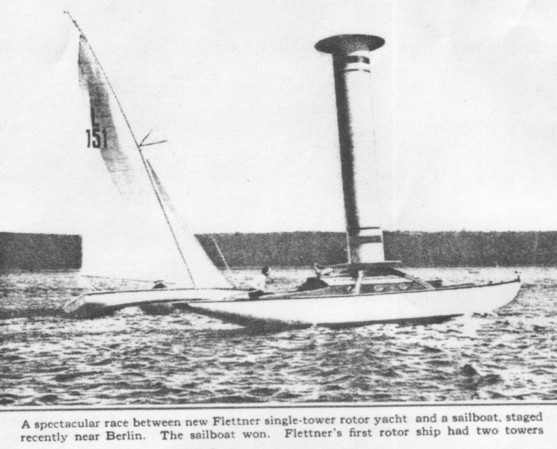
Hamburg American Steamship Company planned to fit rotors on 10 new 10 000-ton freighters; a rotor windmill operates in Berlin; rotor ventilators used by some American automobile manufacturers.
Limitations
- Effectiveness depends on wind conditions
- Requires auxiliary power for motor rotation
- Thrust limited compared to conventional engines
Red Flags
- Fuel-saving claims may be optimistic
- No independent peer-reviewed performance data