Goal
Destroy or neutralize unwanted underwater objects remotely using acoustic energy without explosives.
Problem
Underwater threats such as mines, torpedoes, fouling organisms, and other undesirable objects that require removal or neutralization.
Concept Summary
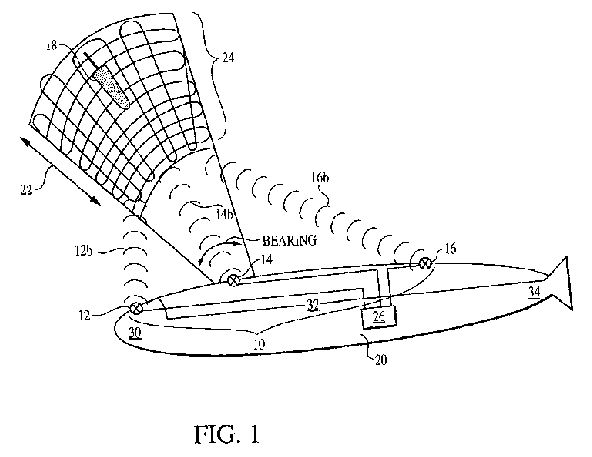
The invention uses an array of high-power sonar transducers mounted on an underwater platform to emit two or more acoustic beams (10-15 kHz) that intersect at a remote target location. The intersecting beams create a focused cavitation field, producing high-pressure bubbles that collapse and generate shock waves capable of destroying the target at distances of 100 m to 1 km.
Principles
- Acoustic cavitation
- High-power sonar beamforming
- Focused acoustic energy
Scientific Domains
Materials
- Water (environment)
- Piezoelectric ceramic transducer material
Mechanisms of Action
- Intersection of multiple high-power acoustic beams
- Formation and collapse of cavitation bubbles
- Shock wave propagation to target
Energy Sources
Applications
- Mine neutralization
- Torpedo self-defense
- Removal of underwater fouling
Claimed Performance
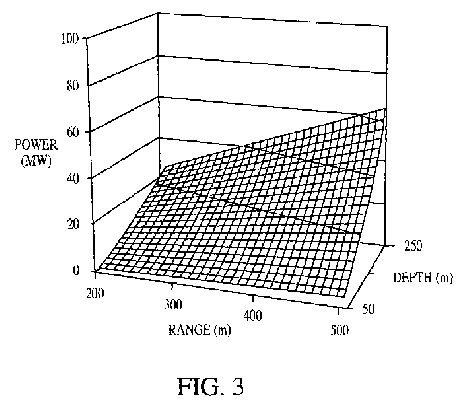
Destructive cavitation field generated at distances of at least 100 m up to 1 km from the sonar array, using peak power outputs of the sonar sources.
Limitations
- Requires high-power sonar hardware and substantial electrical power
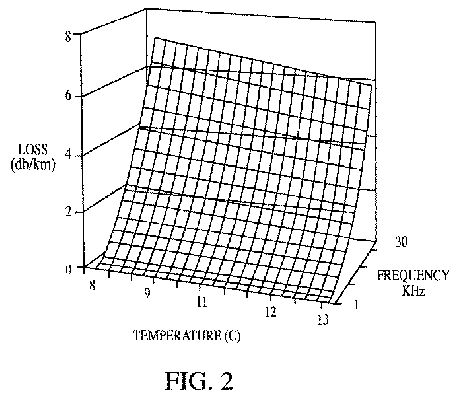
- Effective range limited by acoustic attenuation and water conditions
- No publicly disclosed experimental validation or field testing
Red Flags
- Potential weaponization of acoustic technology
- Lack of independent experimental data or peer-reviewed validation