Goal
Recover and recycle gold (and palladium) from electronic waste efficiently, cheaply and with low environmental impact.
Problem
Conventional gold recovery uses large volumes of toxic cyanide or aqua regia, which are costly, environmentally damaging and slow.
Concept Summary
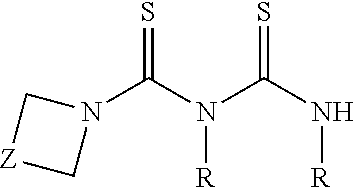
A single-step solvent extraction process that uses a dithiobiuret-derived extractant in a mild acidic mixture (acetic acid, hydrochloric acid and a small oxidant) to selectively complex gold and palladium. The metal-laden organic phase is stripped in one stage, eliminating scrubbing steps and allowing the aqueous solution to be recycled.
Principles
- solvent extraction
- selective complexation
- acid leaching
- single-stage stripping
Scientific Domains
Materials
- acetic acid
- hydrochloric acid
- oxidant (e.g., hydrogen peroxide)
- dithiobiuret-based extractant
- water
Mechanisms of Action
- Dithiobiuret derivative forms strong complexes with Au(III) and Pd(II) in chloride-rich acidic media
- Complexes partition into the organic phase, leaving base metals behind
- A single stripping step releases the precious metals from the organic phase
Applications
- large-scale gold recovery from printed circuit boards
- palladium recovery from electronic scrap
- recycling of precious metals from industrial waste streams
Claimed Performance
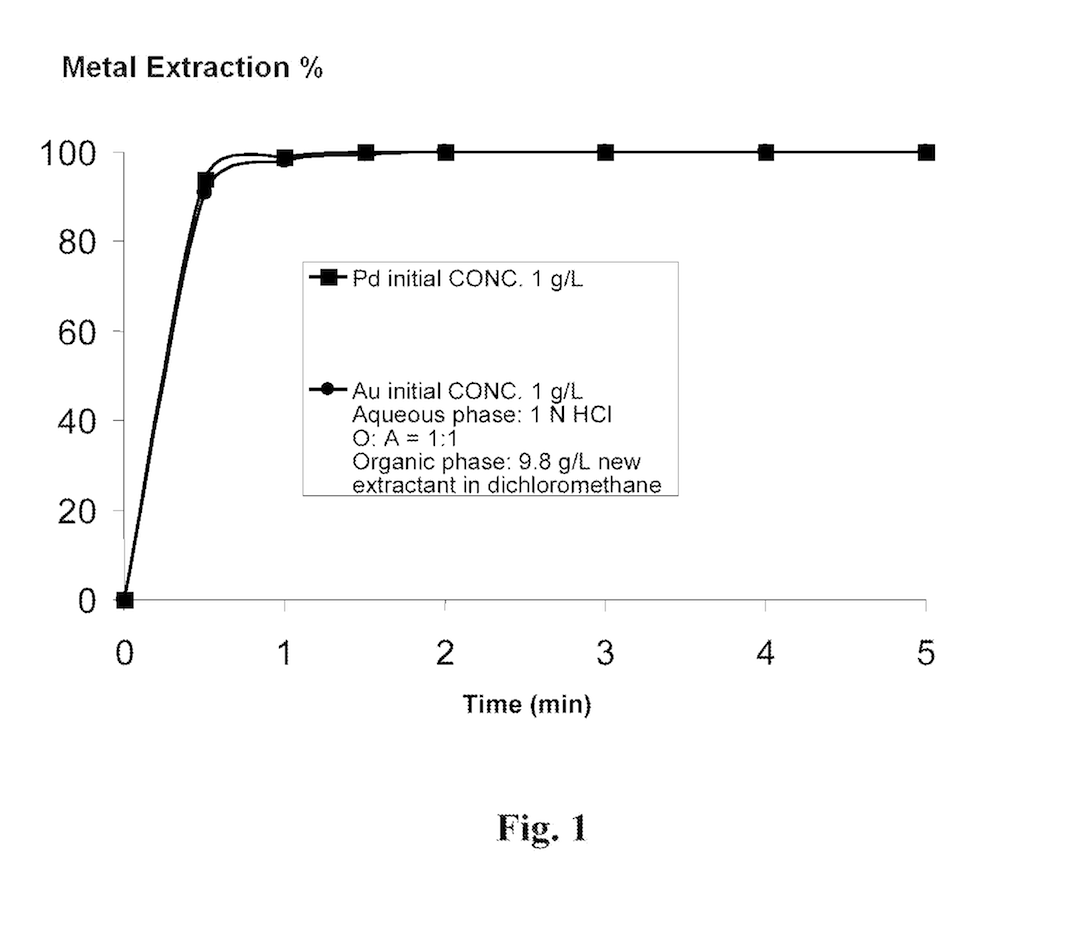
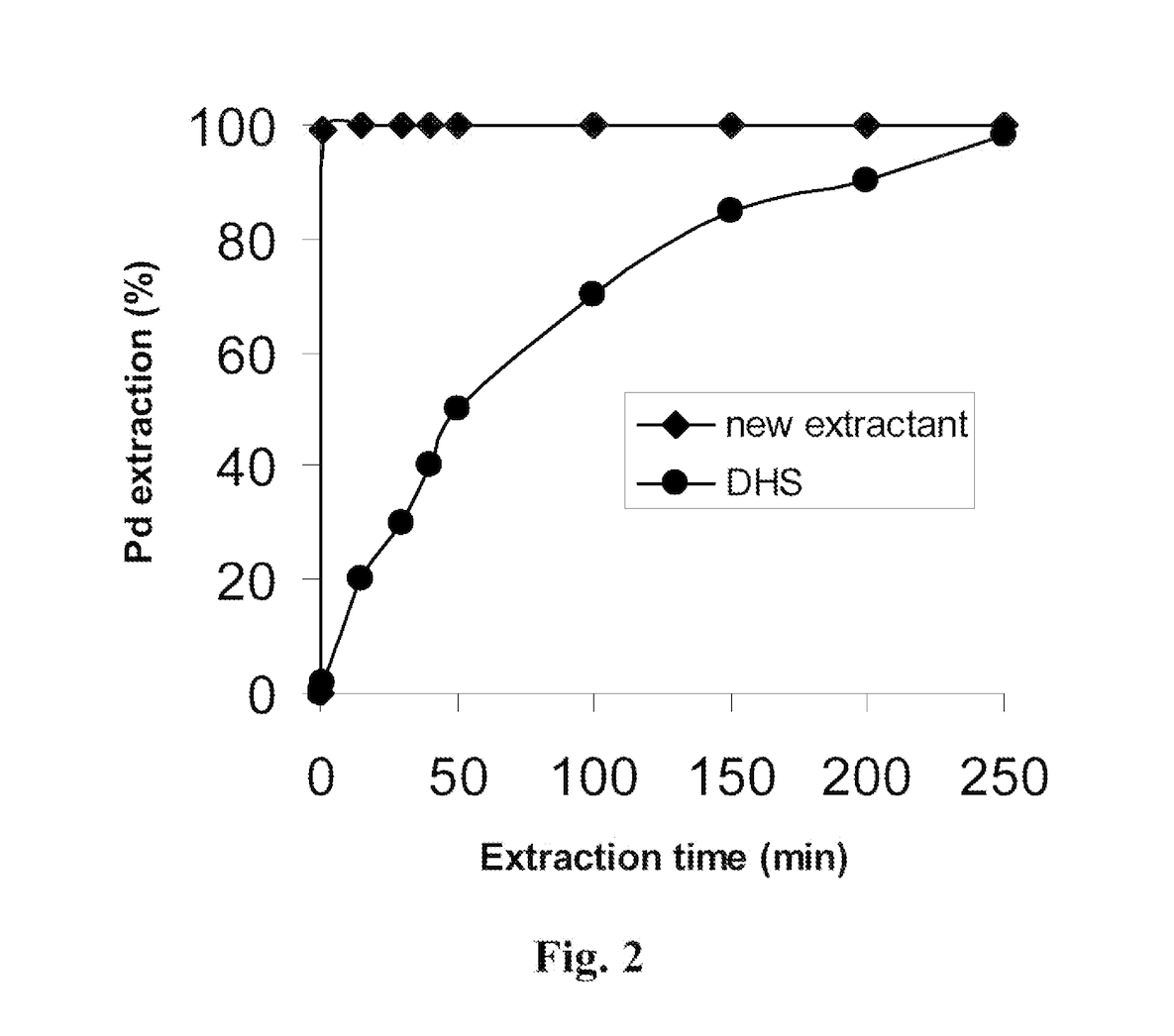
Gold stripped from circuits in ~10 seconds; extraction efficiency ~=99.9 % in ~2 minutes; only 100 L of extractant solution needed per kilogram of gold versus 5,000 L of aqua regia; solution cost ~=$0.50 / L.
Experimental Evidence
The article states that gold is stripped in about 10 seconds and that the new solution can extract one kilogram of gold using only 100 L of solution, all recyclable. The patent claims 99.9 % extraction of gold and palladium in a single stage within two minutes.
Limitations
- Requires handling of strong acids and oxidants
- Long-term stability and reuse cycles of the extractant not demonstrated
- Scale-up and continuous-flow operation not yet proven