Goal
Dry clothes without using heat to save energy and reduce fire hazard.
Problem
High energy consumption and fire risk of conventional heated-air clothes dryers.
Concept Summary
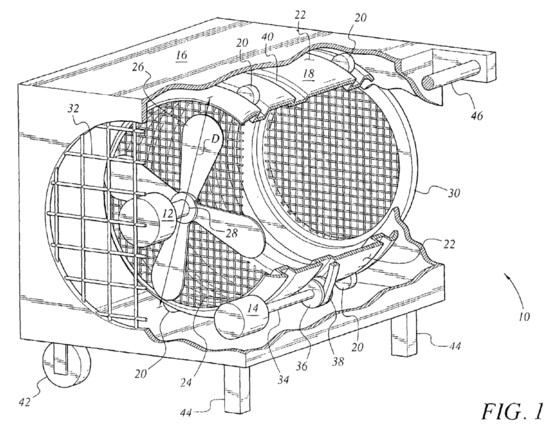
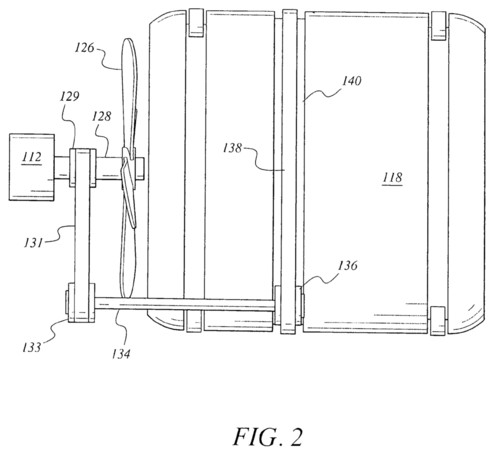
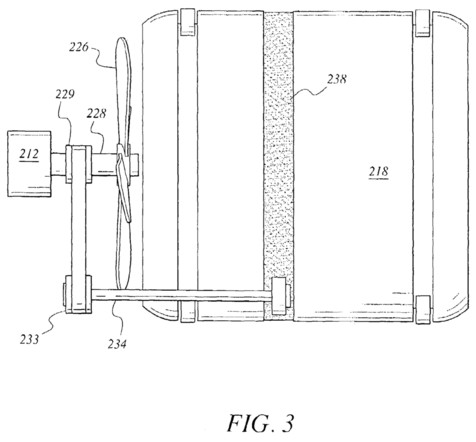
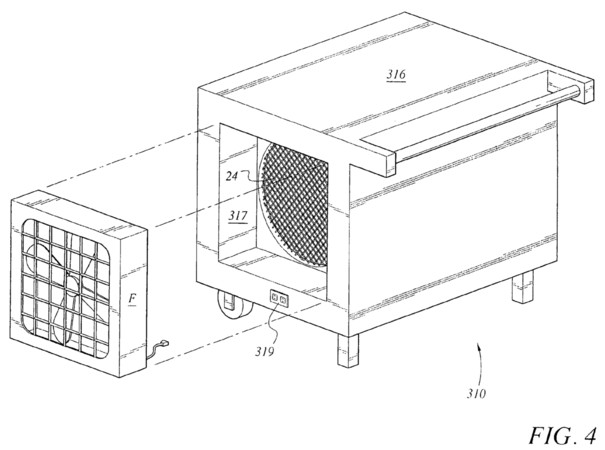
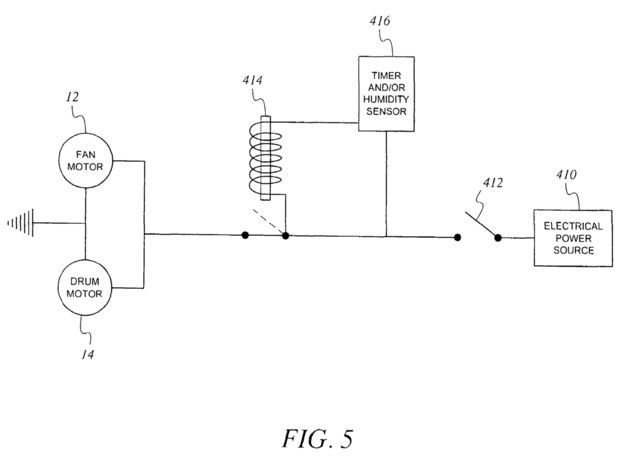
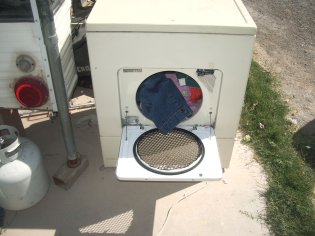
The ambient air dryer circulates a large volume of unheated ambient air through a rotating drum to tumble clothes, achieving drying times comparable to conventional dryers while using only low-voltage electrical power (110 V or 12 V) and optionally solar power. No dedicated heating element is used, eliminating flame-related fire hazards and reducing overall energy use.
Principles
- Axial airflow of ambient air through dryer drum
- Increased airflow rate (~=20x conventional dryer)
- Drum rotation to tumble garments
- Low-voltage electric motor drive
- Optional timer or humidity sensor for automatic shut-off
- Optional solar power integration
Scientific Domains
Materials
- Steel
- Plastic
- Rubber
Mechanisms of Action
- Fan creates axial flow of ambient air through drum
- Airflow removes moisture from clothing
- Rotating drum tumbles clothes to expose more surface area
- Timer/humidity detector stops operation when dry
Energy Sources
Applications
- Household laundry drying
- Camping laundry drying
- Outdoor laundry drying
Claimed Performance
Circulates twenty times more air than a conventional dryer and dries clothes in the same amount of time while using only low-voltage power and eliminating fire hazards.
Experimental Evidence
Prototype testing completed; no quantitative performance data were provided in the article.
Limitations
- Drying performance depends on ambient temperature and humidity
- May be less effective in cold or very damp climates
- Requires an external power source (AC, DC, or solar)
- No built-in heating element may increase drying time in cold environments
Red Flags
- Lack of quantitative performance data
- No independent testing or peer-reviewed validation
- Claims of equal drying time without heat may be optimistic