Goal
Provide residential heating without burning fuel by converting mechanical friction (or kinetic water motion) into heat.
Problem
High cost of heating oil/gas and the energy crisis; desire for low-cost, fuel-free home heating.
Concept Summary
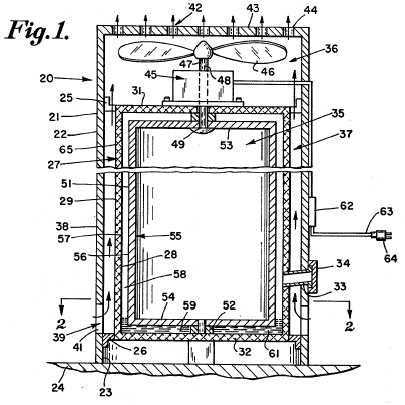
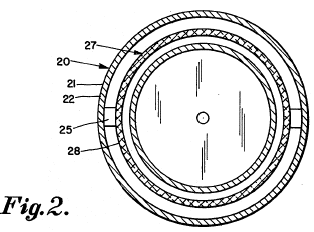
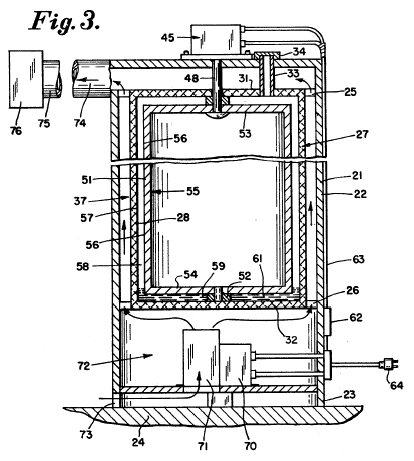
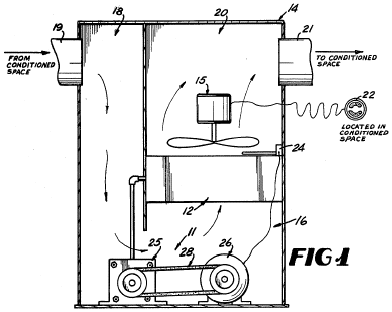
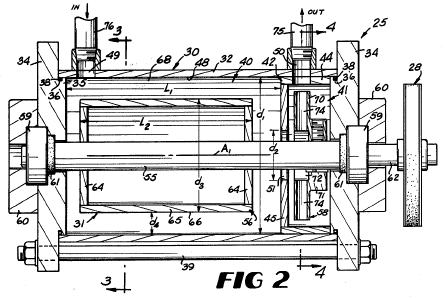
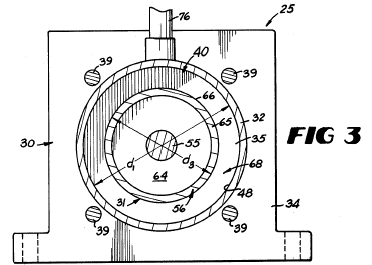
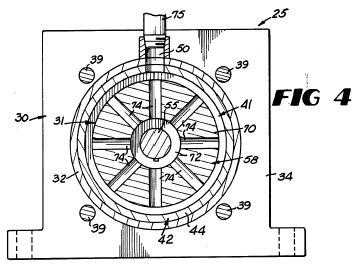
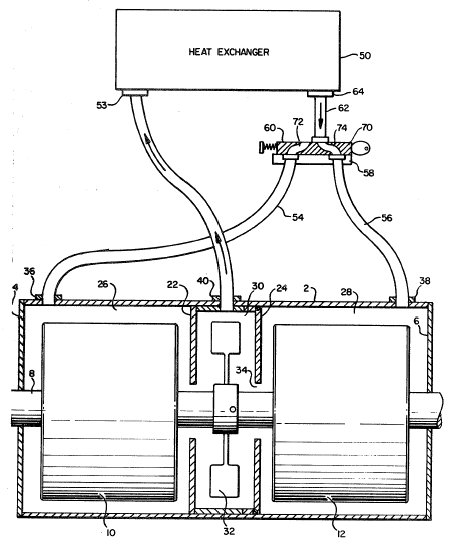
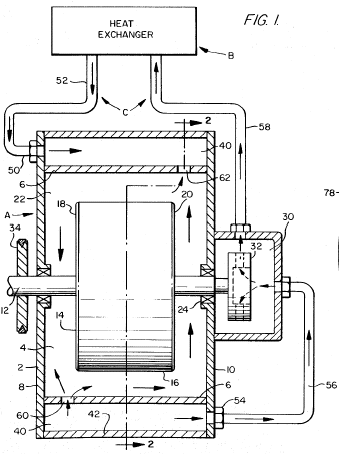
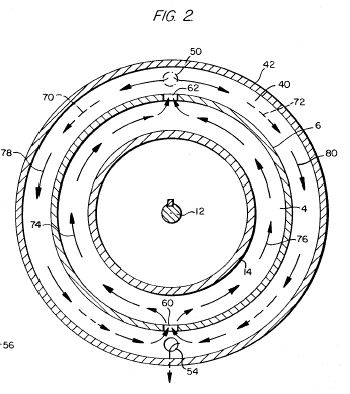
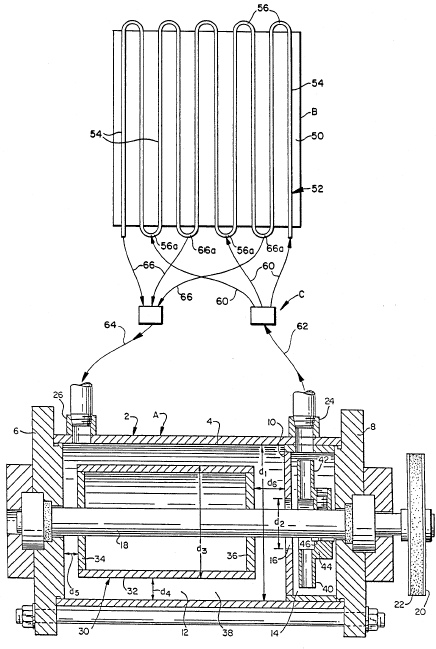
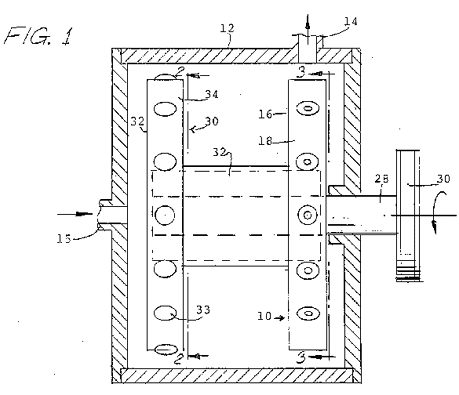
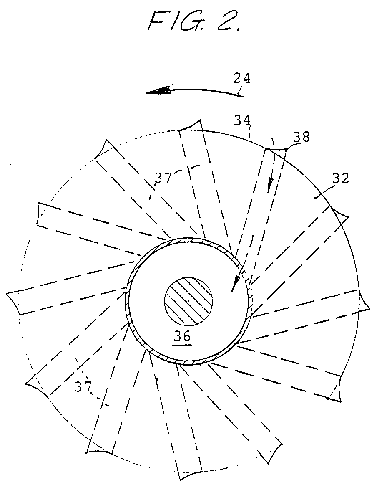
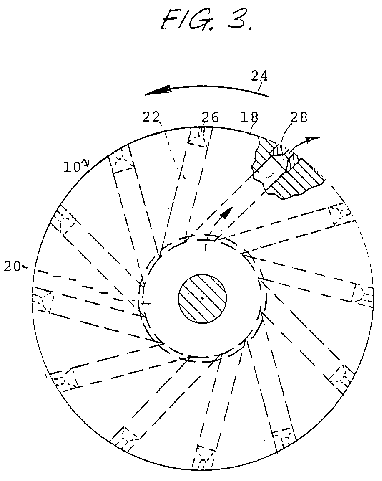
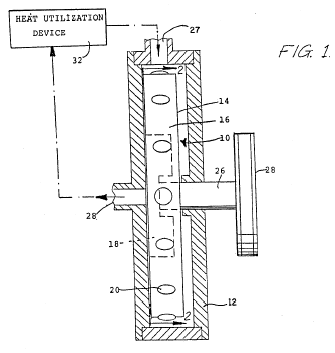
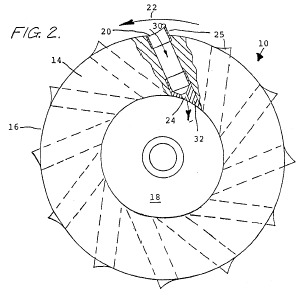
The invention uses two counter-rotating metal cylinders lubricated with light motor oil. The friction between the cylinders generates heat, which is transferred to the home. A related "Kinetic Furnace" uses a high-speed rotor to fling water through nozzles, heating the water which then heats air. Both devices are powered by ordinary electric mains (110 V).
Principles
- Mechanical friction heating
- Conversion of kinetic energy to thermal energy
- Rotational motion
- Fluid dynamics (water jet heating)
Scientific Domains
Materials
- Light motor oil
- Metal cylinders (likely steel or aluminum)
- Water
Mechanisms of Action
- Friction between rotating cylinders converts mechanical work into heat
- Rotating rotor flings water, converting kinetic energy of water into heat
- Electric motor supplies mechanical power
Energy Sources
Applications
- Residential space heating
- Supplemental heating for homes
Claimed Performance
Prototype claimed 100,000-150,000 BTU output; a 200,000 BTU unit advertised to cost about $15 / month to operate (electricity only).
Experimental Evidence
Prototype built in a washing-machine chassis; one builder reported 100-150 kBTU output. Independent tests by Mallove, Rothwell, and Wall (1998-1999) observed no significant excess heat; measured COP ranged from ~115 % (questionable) to ~46 % excess, later attributed to measurement errors.
Replication Status
Multiple small-scale prototypes built and demonstrated; independent laboratory testing failed to replicate claimed excess heat.
Limitations
- No independently verified excess heat; claims conflict with basic thermodynamics
- Potential wear of cylinders and oil degradation
- Efficiency depends on motor electricity consumption
Red Flags
- Claims of "fuel-free" heating that defy conventional physics
- Lack of peer-reviewed data or independent replication of excess heat
- Commercial franchising before technical validation