Goal
Remove pathogenic microbes and infected blood cells from a patient's bloodstream using magnetic filtration.
Problem
Life-threatening sepsis and malaria infections caused by blood-borne pathogens.
Concept Summary
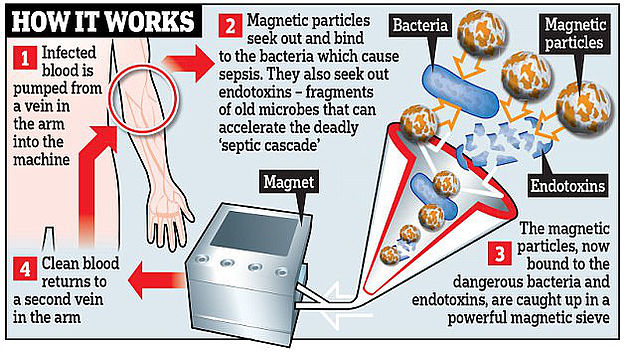
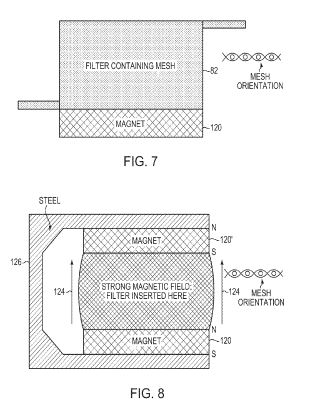
Blood is circulated through an extracorporeal loop containing a magnetic filter made of stacked planar magnetic meshes and external magnets. Magnetic particles or nanoparticles bind to microbes or infected cells; the magnetic field then captures these bound targets, allowing clean blood to be returned to the patient.
Detailed Description
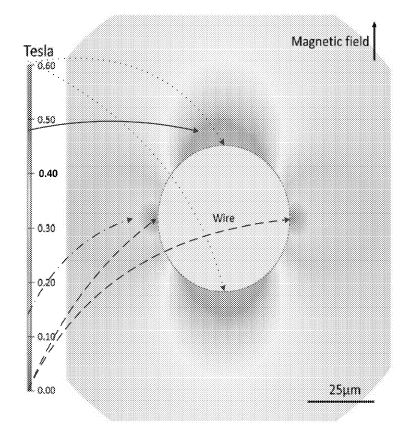
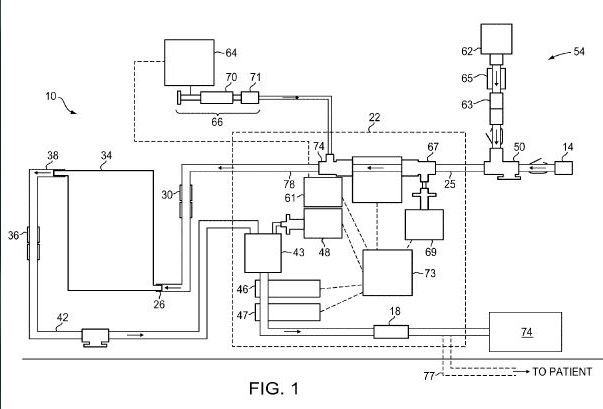
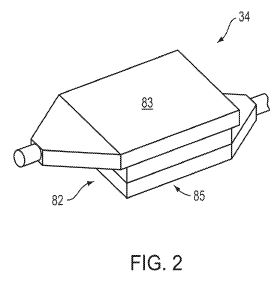
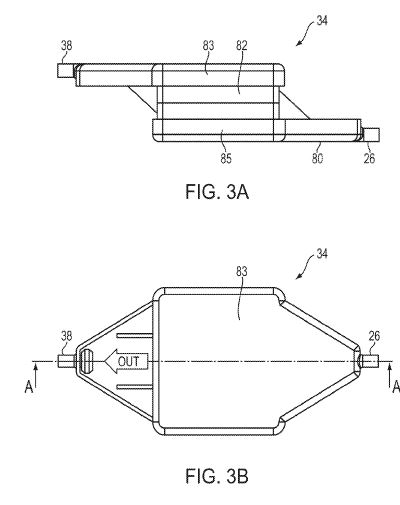
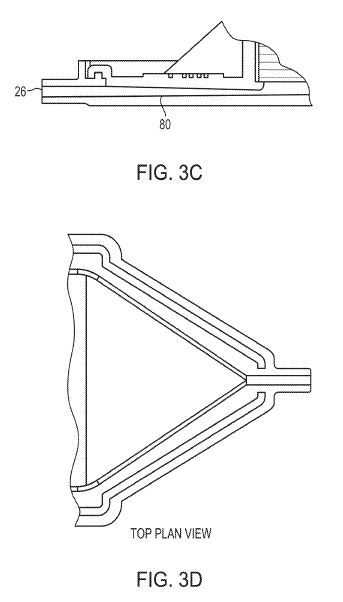
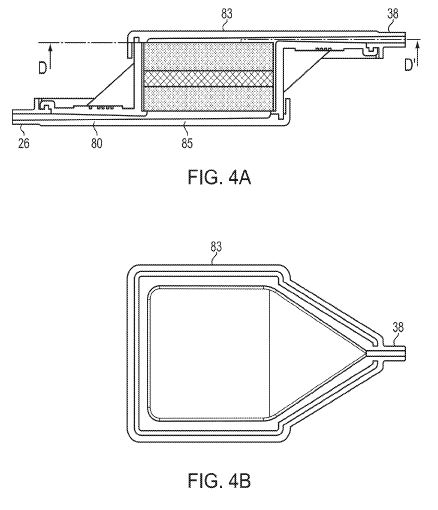
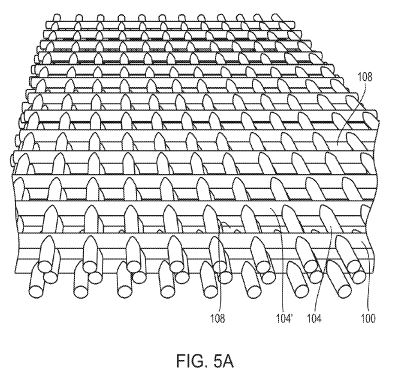
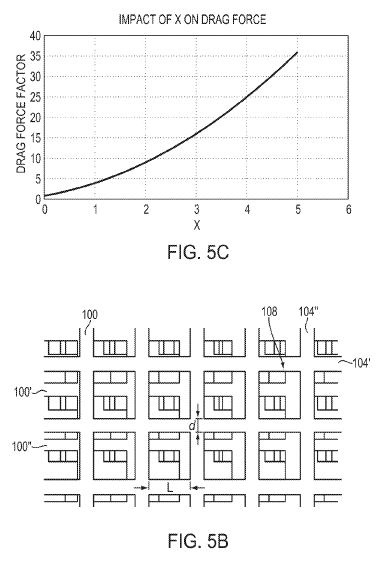
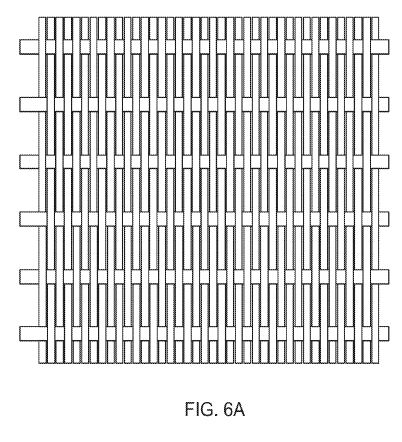
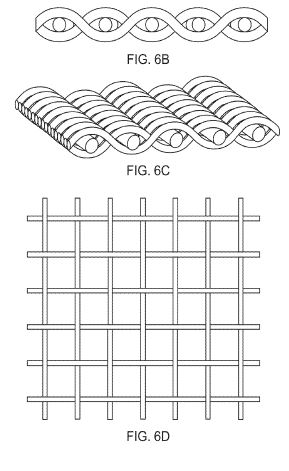
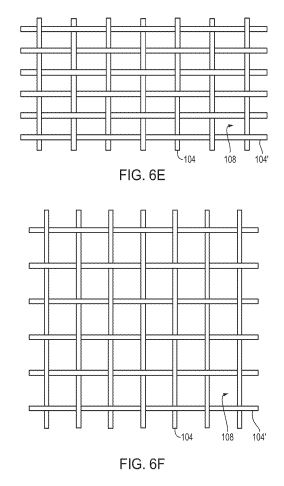
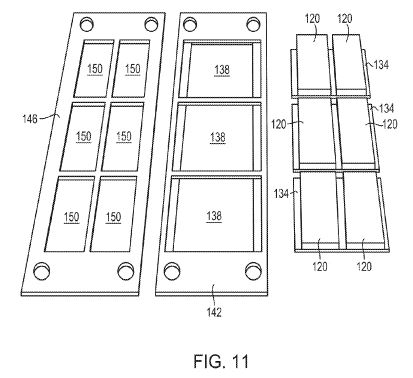
The MediSieve system consists of a container with inlet and outlet ports, a filter bed of multiple planar magnetic wire meshes, and permanent magnets on opposite faces of the container. Blood is pumped from the patient's arm through the container; magnetic particles added to the blood bind to bacteria, endotoxins, or malaria-infected red cells. The magnetic field gradient produced by the magnets and the mesh stack captures the bound particles, while laminar, three-dimensional flow through the mesh stack maximises encounter probability without causing turbulence. The filtered blood is returned to the patient. The device can be operated with a pump, saline drip unit, and pressure/air detectors as needed.
Principles
- Magnetic separation
- Laminar flow channelization
- Magnetic field gradient capture
Scientific Domains
Materials
- Metal-wire magnetic meshes
- Permanent magnets (e.g., neodymium)
- Polymer container housing
- Magnetic nanoparticles/particles (optional)
- Saline solution
Mechanisms of Action
- Magnetic attraction of labeled microbes or infected cells
- Capture of magnetic targets in a high-gradient field within the mesh stack
- Laminar flow to increase contact probability
Energy Sources
Applications
- Sepsis treatment in intensive care units
- Malaria treatment (removal of infected red cells)
- General blood-borne pathogen removal
Claimed Performance
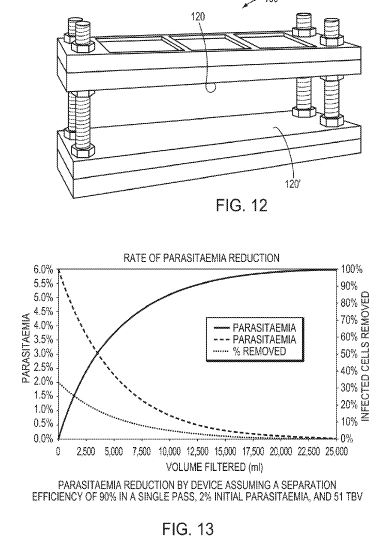
Device could reduce infection burden by 90 % within 3.5 hours and is intended to save thousands of lives from sepsis and malaria.
Experimental Evidence
Prototype exists; described as "in-lab concept work". No quantitative performance data or peer-reviewed studies are provided.
Limitations
- Only a prototype; no clinical trial data yet
- Requires external pump and extracorporeal circuit
- Effectiveness depends on magnetic labeling of targets
Red Flags
- Claims are based on early-stage prototype without published efficacy data.