Goal
Render objects invisible to the naked eye by disrupting optical radiation.
Problem
Visibility of objects; need for optical camouflage and stealth.
Concept Summary
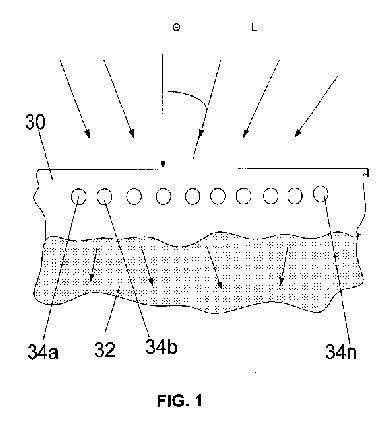
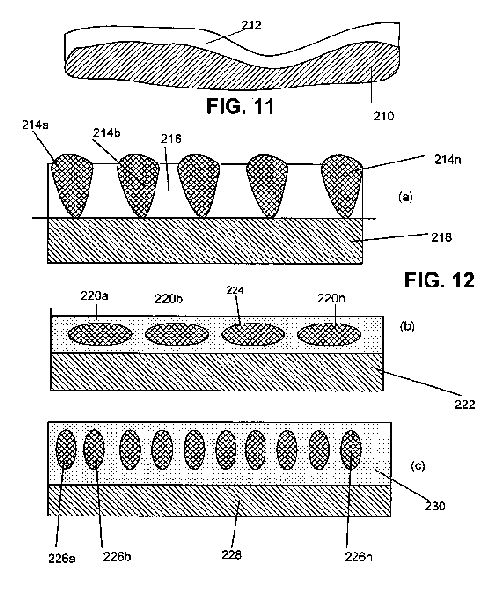
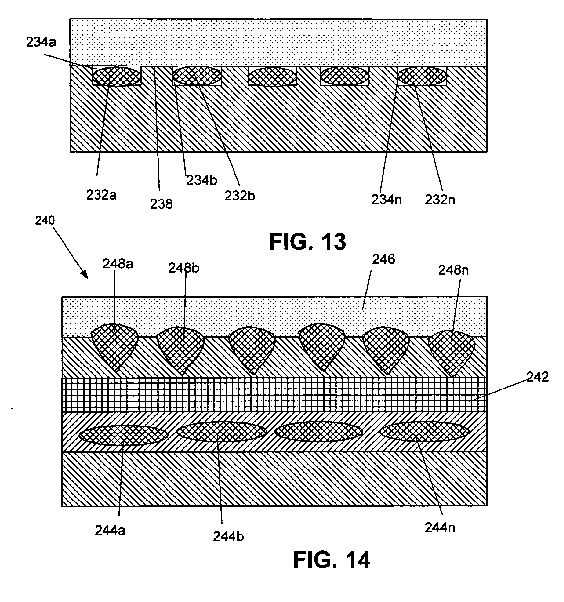
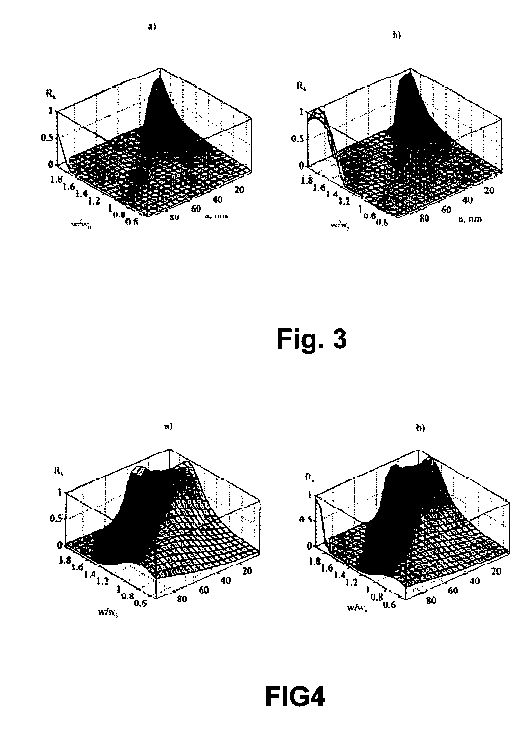
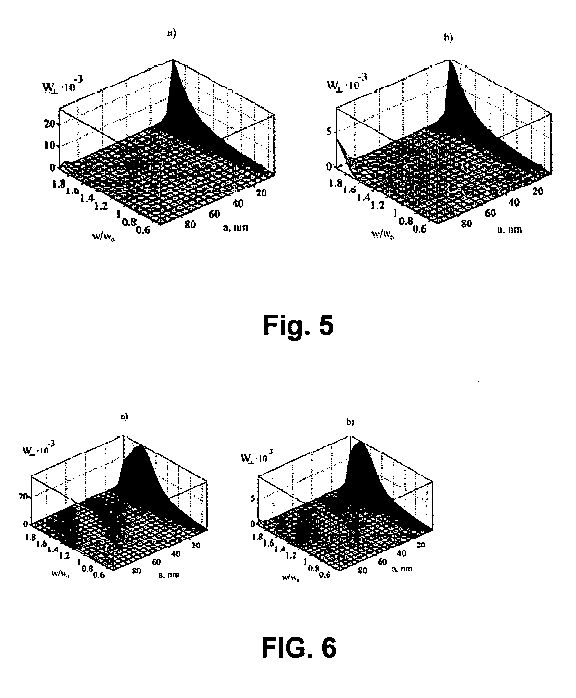
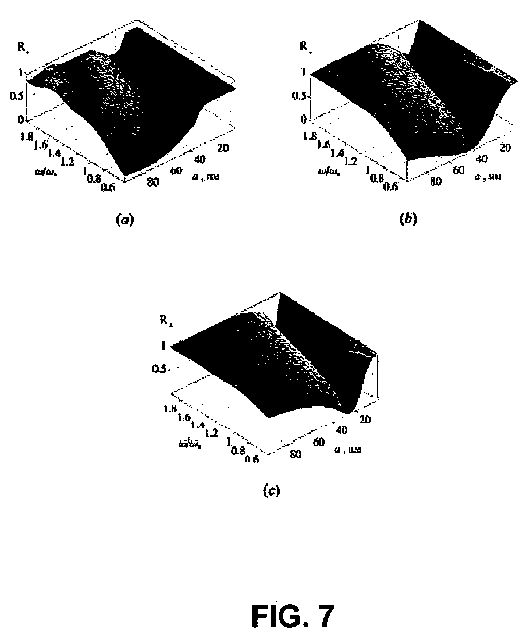
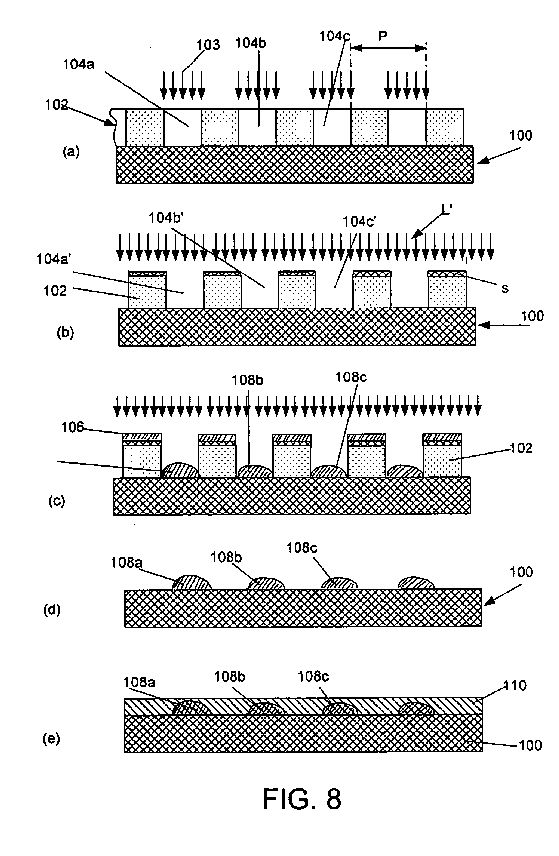
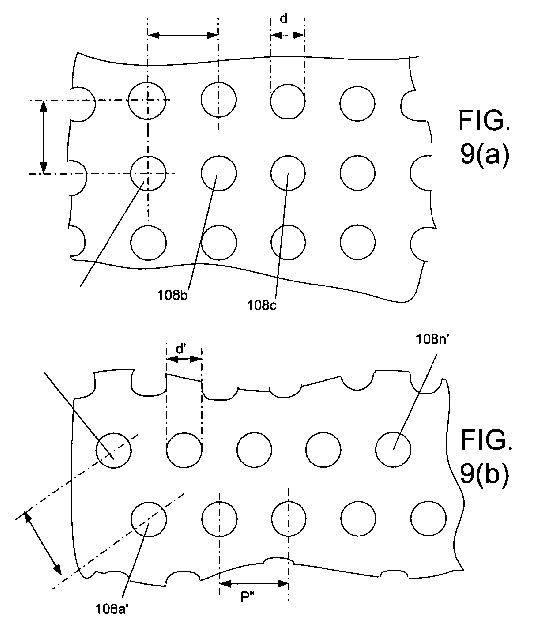
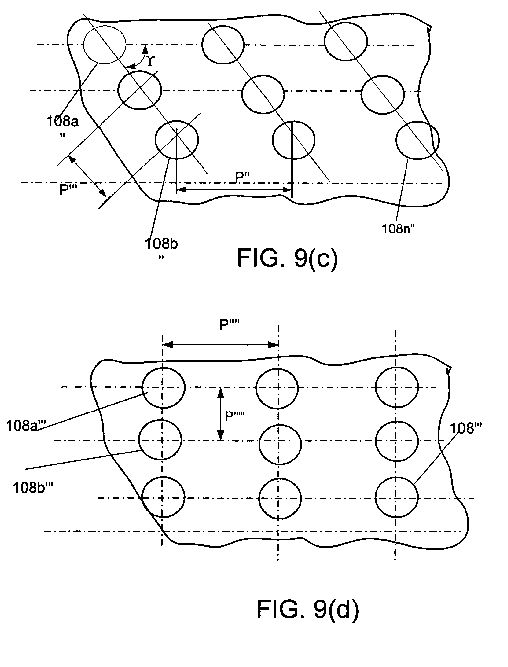
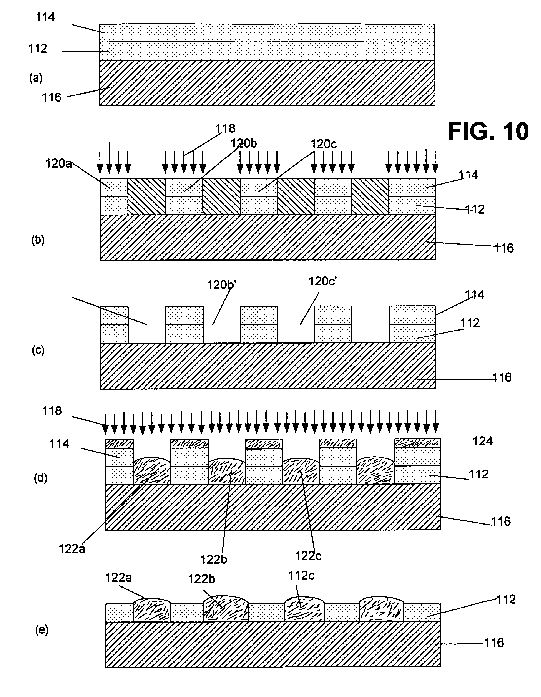
A sub-micron layer of colloidal gold nanoparticles is applied as a thin stratum in front of an object. The nanoparticle wall interacts with incident visible light through plasmonic resonance and destructive interference, reducing scattering and reflection so that a stationary object behind the layer becomes invisible to an observer.
Detailed Description
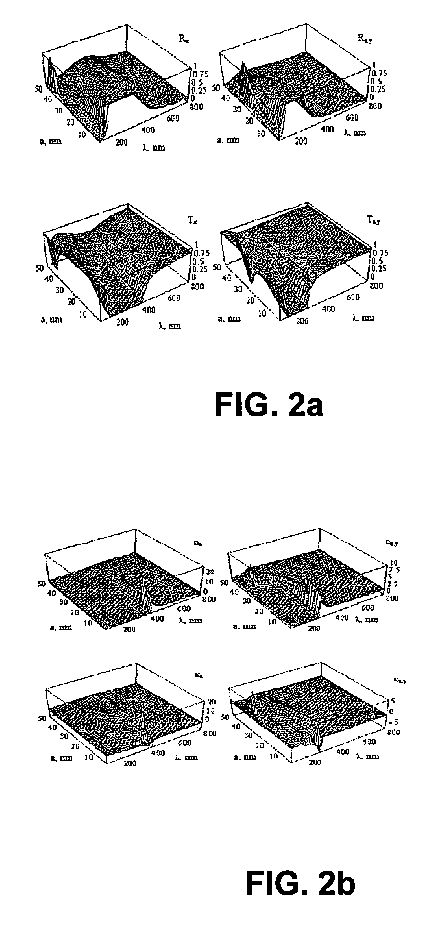
The patented method creates a superfine coating composed of microscopic gold colloid particles (10-100 nm radius) arranged at regular intervals. When visible light strikes the coating, the nanoparticles generate optical resonance interactions that alter the phase and amplitude of the reflected light, effectively cancelling the reflected component (anti-reflection). Because the coating only works for a narrow band of frequencies, it is effective only for static objects whose reflected light frequency does not shift. The inventor claims that future work could extend the effect to moving objects and produce a "cap of darkness" or full-body cloak.
Principles
- Plasmonic resonance
- Destructive interference
- Scattering reduction
Scientific Domains
Materials
- Gold nanoparticles
- Colloidal gold particles
Mechanisms of Action
- Nanoparticle-induced phase shift
- Anti-reflection via interference
- Disruption of light scattering
Applications
- Military camouflage
- Stealth technology
- Optical devices with reduced glare
Claimed Performance
Stationary objects become invisible to the naked eye; no quantitative reflectance reduction is provided.
Experimental Evidence
The article cites only the patent description and media reports; no experimental data, measurements, or independent replication are presented.
Replication Status
No replication reported.
Limitations
- Effective only for static objects
- Performance depends on incident wavelength and angle
- No quantitative performance data provided
Red Flags
- Lack of experimental results or peer-reviewed validation
- Future capabilities are speculative
- No independent replication