Goal
To treat or cure cancer, HIV, autism and other diseases by activating macrophages and inhibiting tumor angiogenesis.
Problem
Cancer, HIV infection, autism spectrum disorders, chronic fatigue, neuro-degenerative diseases.
Concept Summary
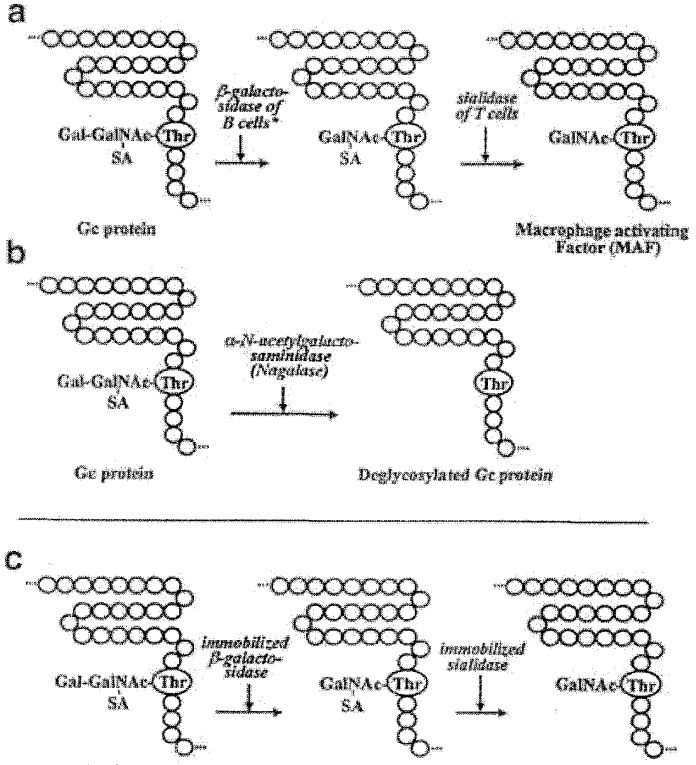
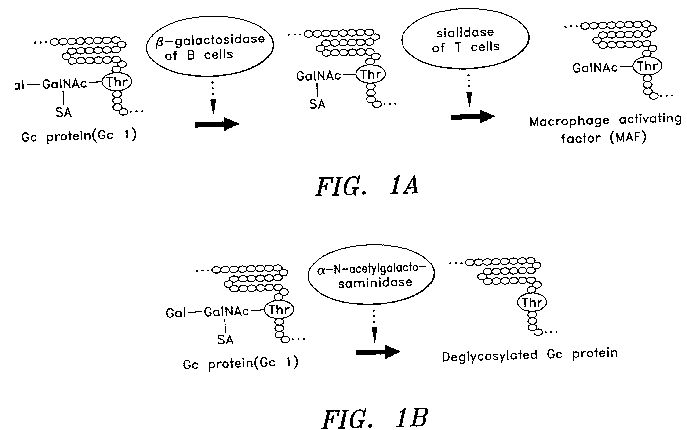
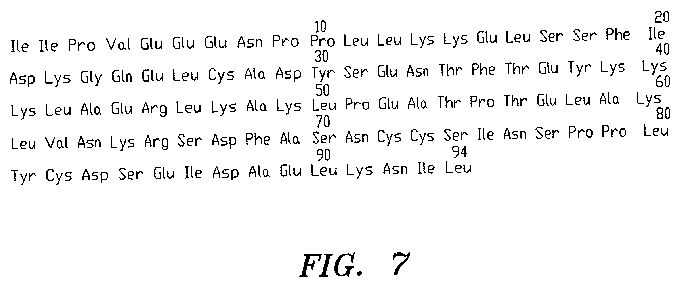
GcMAF is a biologically derived protein obtained by sequential deglycosylation of the vitamin-D-binding protein (Gc protein). The resulting protein is claimed to act as a macrophage-activating factor, stimulating immune cells to become cytotoxic to tumor cells, block angiogenesis, and modulate viral infections. Proponents assert therapeutic cures for cancer, HIV and autism, but the supporting studies have been retracted and no robust clinical evidence exists.
Principles
- Immunomodulation
- Macrophage activation
- Anti-angiogenesis
Scientific Domains
Materials
- Vitamin D-binding protein (Gc protein)
- GcMAF protein
- Sugar residues (glycans) removed during deglycosylation
Mechanisms of Action
- Activation of macrophages to become cytotoxic
- Inhibition of tumor blood-vessel formation
- Modulation of immune response to viral proteins
Applications
- Cancer treatment
- HIV therapy
- Autism and other neurological disorders
Claimed Performance
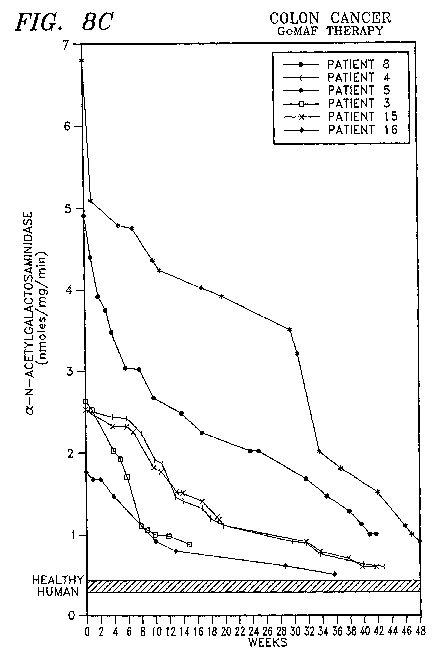
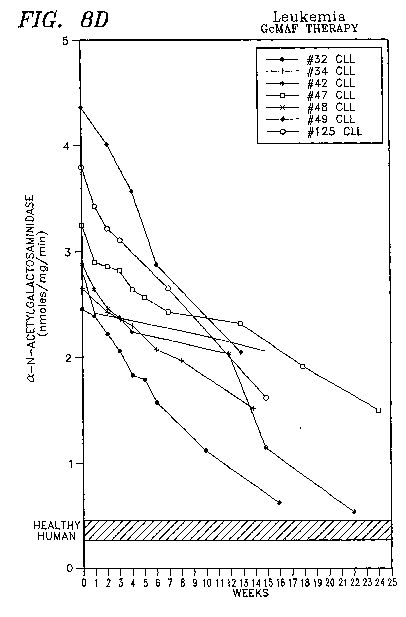
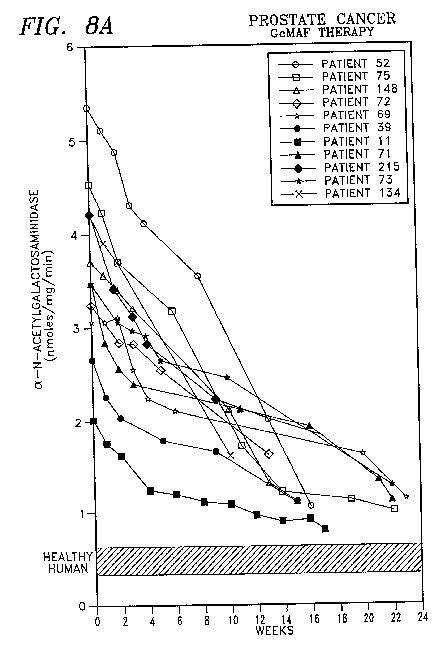
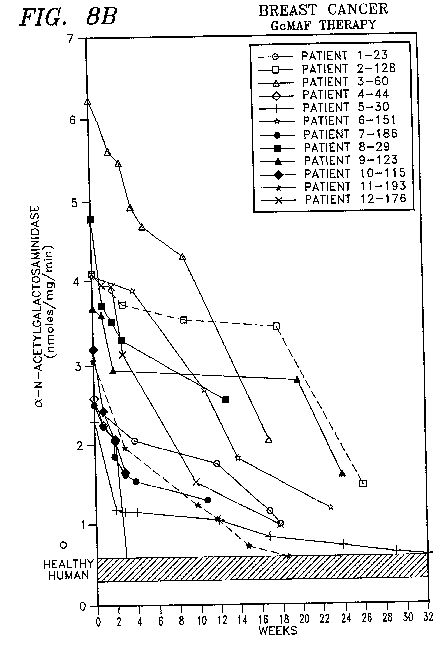
Permanent cure for cancer and HIV; 85 % response rate in autism patients; anti-cancer effects across breast, prostate and kidney tumors.
Experimental Evidence
One Phase I safety trial (NCT02052492) registered; all earlier efficacy studies have been retracted; anecdotal reports from clinicians.
Replication Status
No independent replication; original efficacy studies retracted due to ethical irregularities.
Limitations
- Lack of peer-reviewed clinical data
- Retracted primary studies
- Illegal marketing and unregulated distribution
Red Flags
- Multiple retractions of key efficacy studies
- Claims of permanent cures without supporting data
- Illegal online sales and marketing