Goal
Generate electric power using pure water as fuel at room temperature, providing a clean, CO_2-free energy source for vehicles and stationary applications.
Problem
Need for clean energy without hydrogen storage or fossil-fuel emissions; desire to replace conventional hydrogen reformers and high-pressure tanks.
Concept Summary
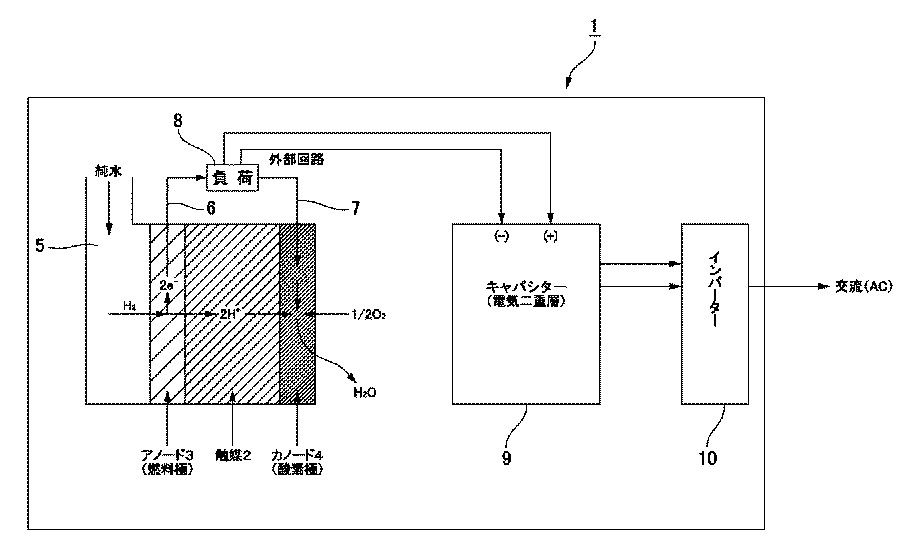
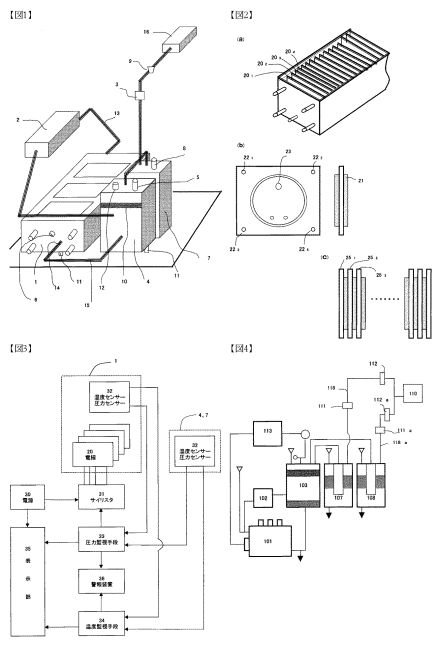
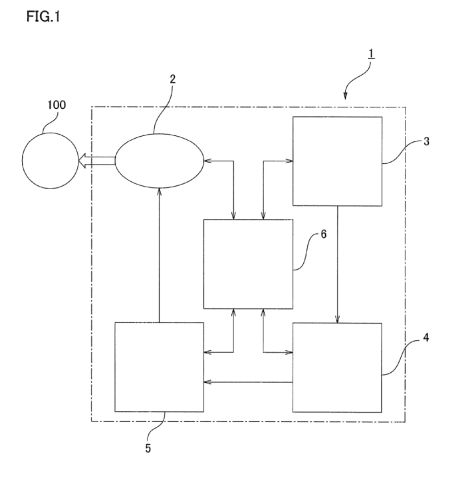
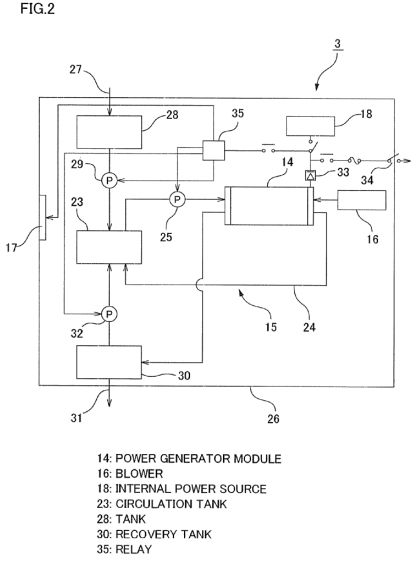
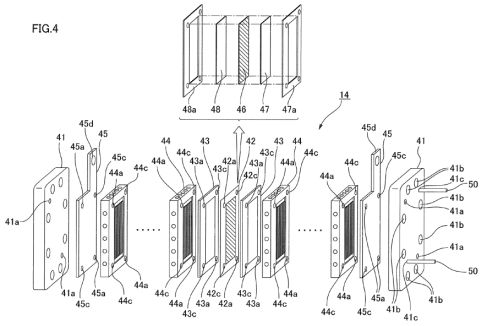
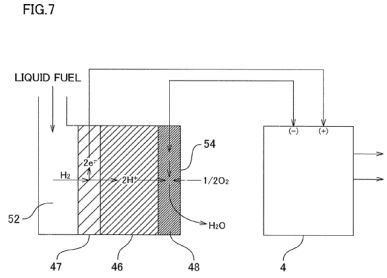
The Water Energy System (WES) is a fuel-cell-type device that supplies pure water to a fuel electrode and air to an oxygen electrode. A metal or metal-compound catalyst (e.g., lithium, sodium, magnesium, potassium, calcium) within the electrode reacts with water at ambient temperature to generate hydrogen in situ. The hydrogen is oxidized at the fuel electrode, while oxygen is reduced at the oxygen electrode, producing DC electricity. The electrodes are constructed from platinum-loaded zeolite/carbon-black/coral-sand composites (fuel side) and ruthenium-loaded zeolite/carbon-black composites (oxygen side). The system operates at room temperature, requires no external hydrogen supply, and can be used to power loads directly or charge secondary batteries.
Detailed Description
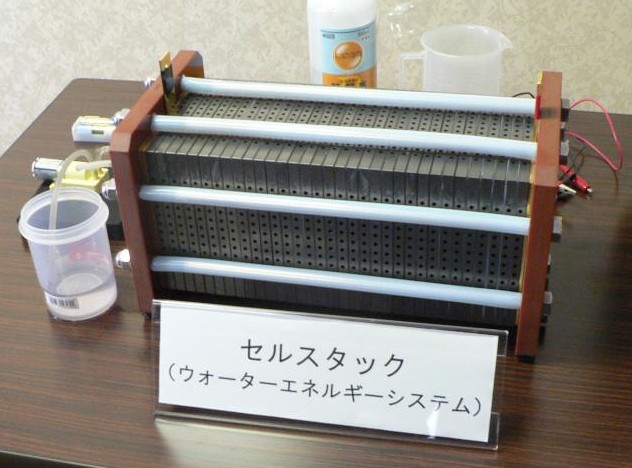
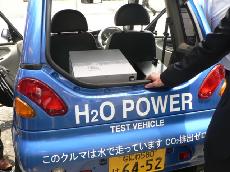
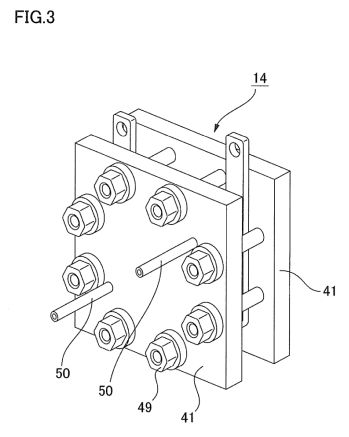
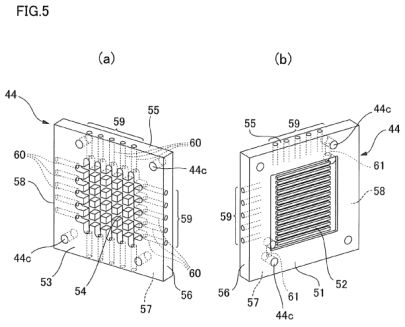
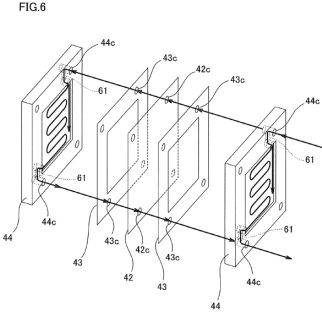
The patented embodiment (JP2006244714) describes a sandwich cell comprising a fuel electrode (platinum on a sintered body of carbon black, zeolite, and coral sand) and an oxygen electrode (ruthenium on a sintered body of carbon black and zeolite). Pure water is fed to the fuel electrode, where a metal or metal-compound catalyst induces a chemical reaction that splits water into hydrogen and oxygen. The generated hydrogen ions migrate through the electrolyte to the oxygen electrode, where they are oxidized, releasing electrons that flow through an external circuit. The by-product water is recirculated. Demonstrations reported by Genepax include a 120 W stack (40 cells in series, 25-30 V, 6-7 A per cell) and a 300 W system used to power a TV, lighting, and a compact electric vehicle (Takeoka Reva). The company plans to develop 1 kW-class units for EVs and residential use.
Principles
- In-situ water splitting via metal-water reaction
- Electrochemical oxidation of hydrogen at fuel electrode
- Catalytic reduction of oxygen at oxygen electrode
- Series stacking of fuel-cell units to increase voltage
Scientific Domains
Materials
- platinum
- ruthenium
- zeolite
- carbon black
- coral sand
- lithium
- sodium
- magnesium
- potassium
- calcium
- pure water
- air
Mechanisms of Action
- Metal-induced water dissociation
- Hydrogen ion transport through electrolyte
- Electron flow to external load
Energy Sources
Applications
- Electric vehicles
- Residential power generation
- Portable power supplies
Claimed Performance
120 W fuel-cell stack (40 cells, 25-30 V, 6-7 A per cell, >=30 mW/cm^2 power density). 300 W system used to power TV, lighting and drive a Reva electric vehicle. Planned 1 kW units for EVs and houses.
Experimental Evidence
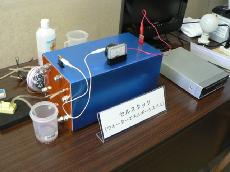
Genepax demonstrated a 120 W stack powered by a dry-cell-pump water supply and a 300 W system that powered a TV, lighting, and a Takeoka Reva vehicle. Patent experiments confirmed power generation at room temperature with the described electrode materials.
Replication Status
Demonstrated by Genepax; no independent replication reported in the article.
Limitations
- Hydrogen generation limited by metal consumption
- Material procurement challenges (e.g., MEA components)
- High prototype cost (~= JPY2,000,000)
- Unclear long-term durability and cycle life
Red Flags
- Claims of running a car at 80 km/h for an hour on 1 L of water appear energetically implausible
- No peer-reviewed data or third-party testing presented
- Potential over-unity or free-energy implication