Goal
Inhibit HIV-1 attachment and entry into human cells to prevent viral replication and progression to AIDS
Problem
HIV-1 infection leading to AIDS
Concept Summary
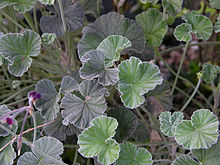
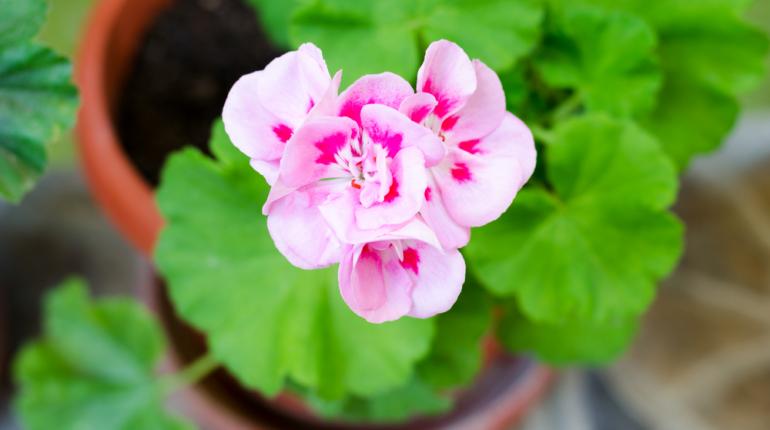
The root extract of the medicinal plant Pelargonium sidoides (PS) contains polyphenolic compounds that directly block the attachment of HIV-1 particles to target cells, thereby preventing infection and replication. The extract has low cytotoxicity and is already licensed in Germany as the herbal medicine EPs 7630 for respiratory infections.
Principles
- Polyphenol-mediated inhibition of viral attachment
- Phytochemical antiviral activity
Scientific Domains
Materials
- Pelargonium sidoides root extract
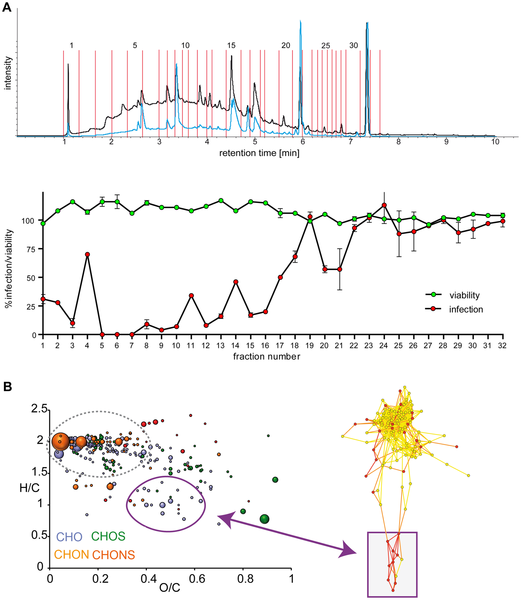
- Polyphenolic compounds (e.g., gallic acid derivatives)
- Aqueous ethanolic extract
Mechanisms of Action
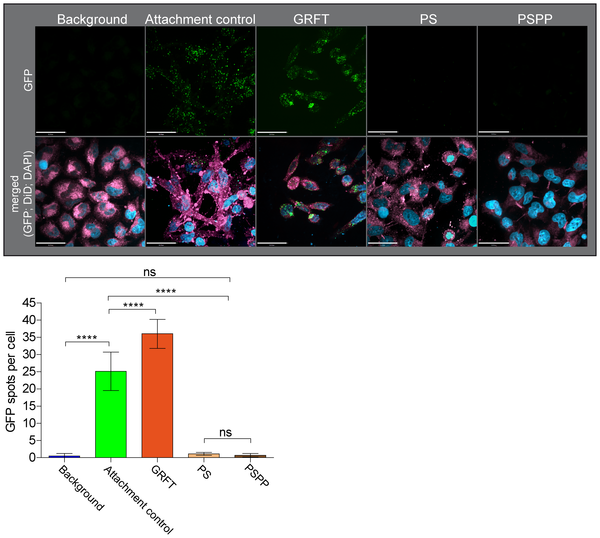
- Blocks HIV-1 attachment to host cell receptors
- Interferes with viral infectivity
- Reduces viral entry and subsequent replication
Applications
- Adjunct therapy for HIV-1 infection
- Supplement to existing antiretroviral regimens
Claimed Performance
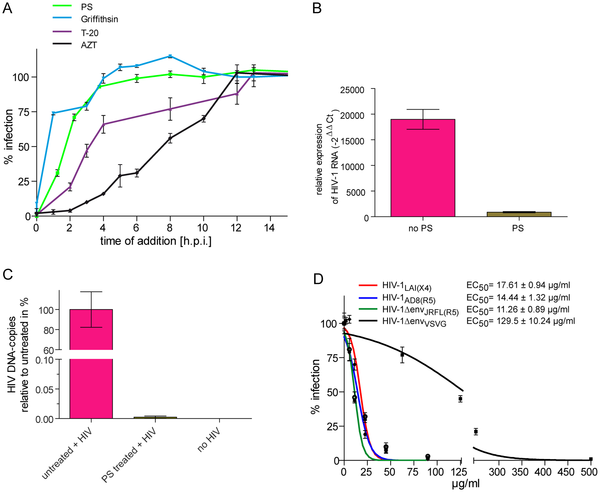
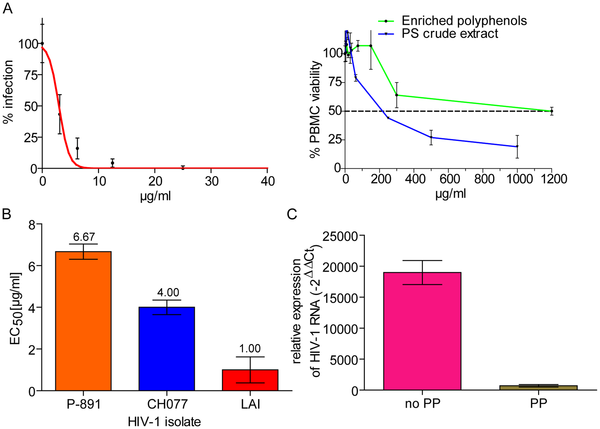
Potent anti-HIV-1 activity in vitro; blocks viral attachment with low cytotoxicity; comparable to novel mode-of-action distinct from existing antiretroviral drugs
Experimental Evidence
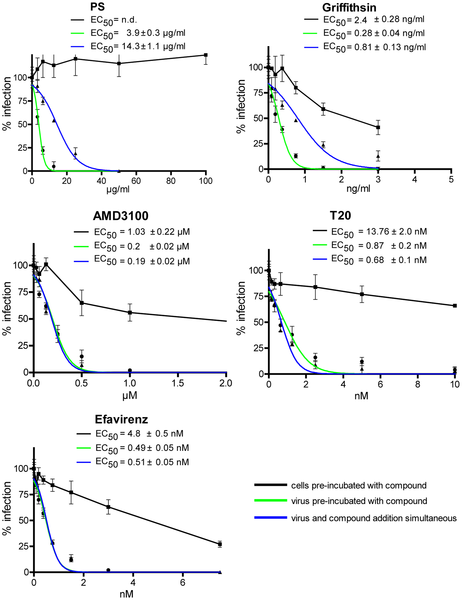
Multiple cell-culture experiments demonstrated protection of PBMCs and macrophages from infection with various X4 and R5 tropic HIV-1 strains, including clinical isolates; published in PLOS ONE (doi:10.1371/journal.pone.0087487)
Replication Status
No independent replication reported in the article
Limitations
- Evidence limited to in-vitro cell-culture studies
- No clinical trial data for HIV-1 efficacy
- Potential variability in extract composition and potency
Red Flags
- Claims of being the first plant-based HIV therapy without clinical validation
- Potential overstatement of efficacy based solely on in-vitro data