Goal
Convert solar energy directly into steam with high efficiency
Problem
Low efficiency and high optical concentration requirements of existing solar-thermal steam generation systems
Concept Summary
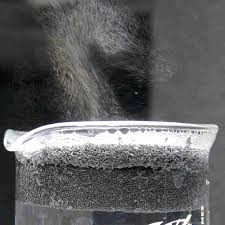
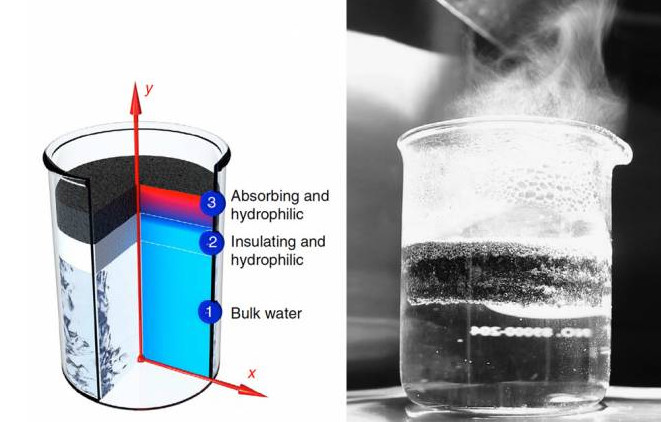
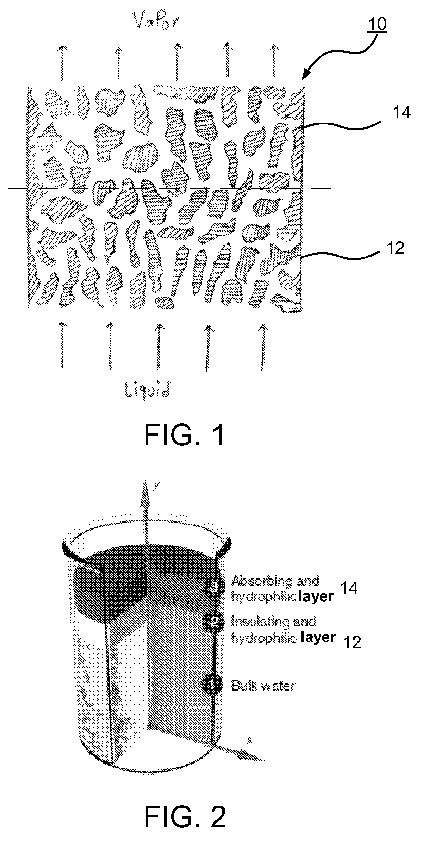
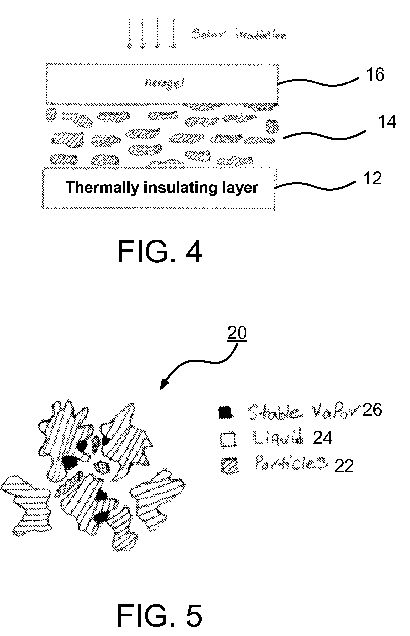
A double-layered porous structure consisting of a top graphite-flake layer and a bottom carbon-foam layer absorbs sunlight, creates a localized hotspot, draws water up via capillary action, and vaporizes it into steam with minimal heat loss.
Detailed Description
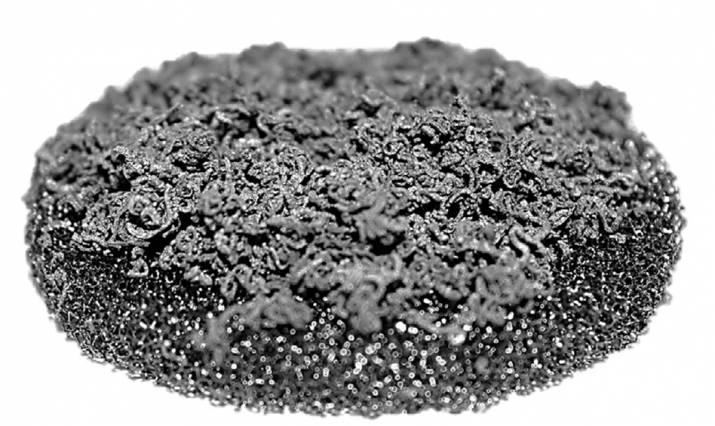
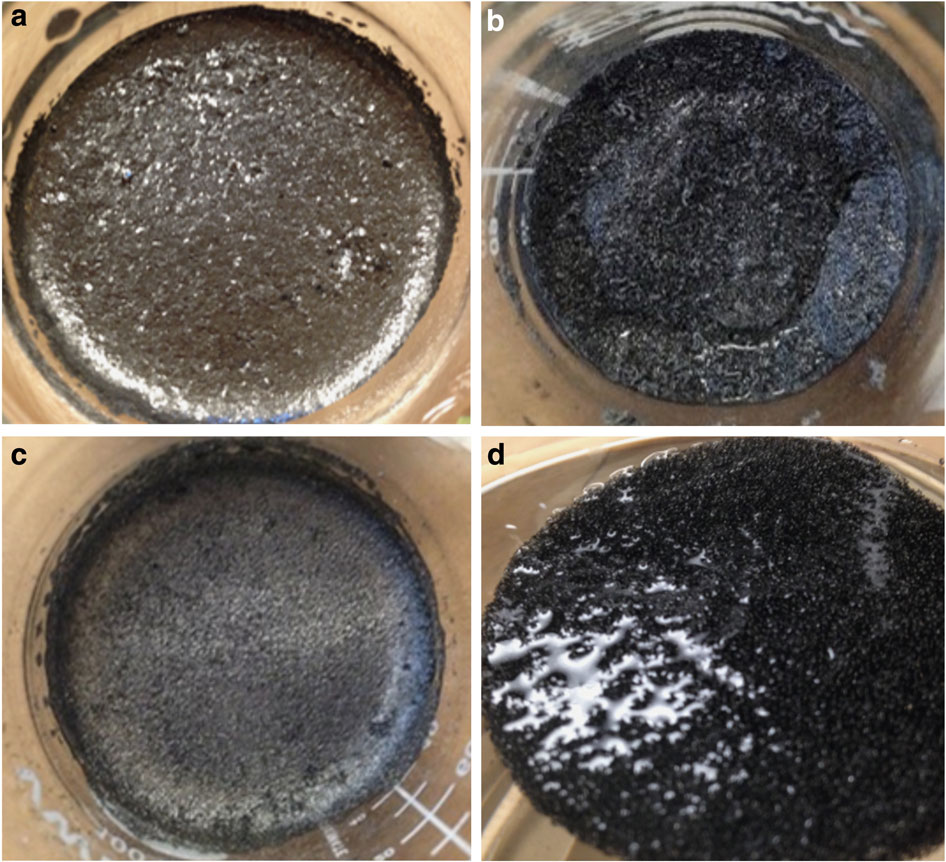
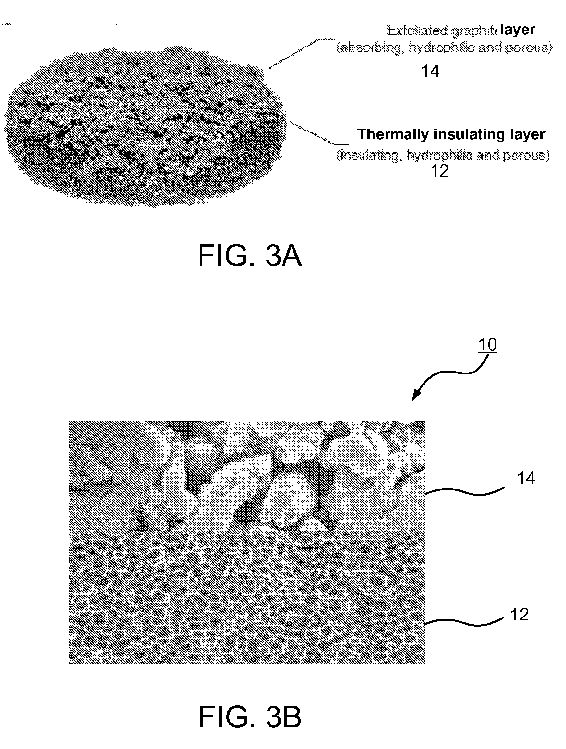
The device is a thin, disc-shaped assembly. The upper layer is made of exfoliated graphite flakes that provide broadband solar absorption and generate heat when illuminated. The lower layer is a lightweight carbon foam with >80 % porosity, insulating the bulk water and supplying a network of interconnected pores that transport water by capillary action to the hot graphite surface. When sunlight (~=10x typical solar intensity) shines on the surface, the graphite layer reaches high temperature, evaporating the supplied water into steam. The structure floats on water, allowing continuous operation without complex mirrors or lenses.
Principles
- Solar absorption
- Heat localization
- Capillary water transport
- Thermal insulation
Scientific Domains
Materials
- Graphite flakes
- Carbon foam
- Intercalated graphite
Mechanisms of Action
- Photothermal conversion in graphite
- Pressure gradient driven water uptake
- Phase change at the liquid-air interface
Energy Sources
Applications
- Desalination
- Water purification
- Sterilization
- Remote hygiene systems
Claimed Performance
85 % solar-to-steam conversion efficiency at ~10x normal solar intensity
Experimental Evidence
Laboratory tests using a solar simulator demonstrated 85 % conversion efficiency; results published in Nature Communications (2014)
Replication Status
Reported in peer-reviewed journal and a US patent application; no independent third-party replication documented
Limitations
- Dependence on sunlight availability
- Scaling the porous structure to large areas
- Potential fouling of pores with impurities