Goal
Improve combustion characteristics of hydrocarbon fuel, reduce fuel consumption, increase engine power, and lower emissions.
Problem
Inefficient fuel combustion and high fuel consumption in internal combustion engines, especially large engines with high flow rates.
Concept Summary
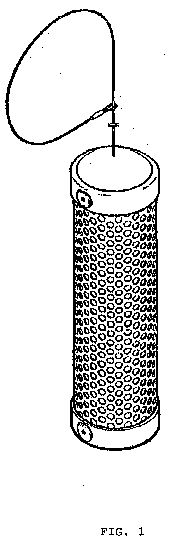
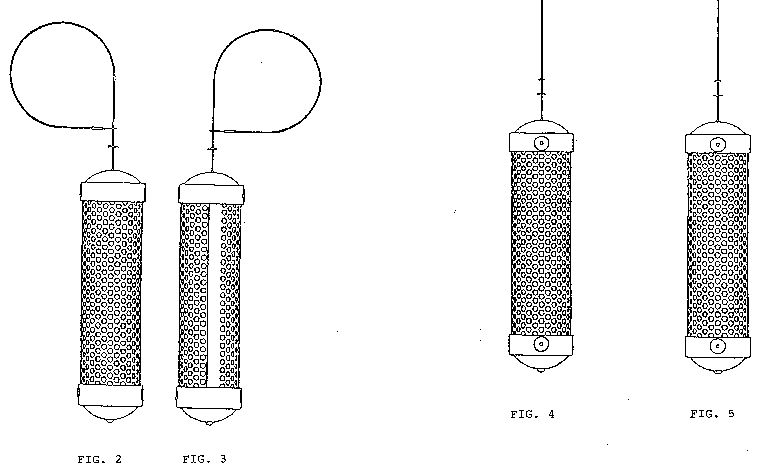
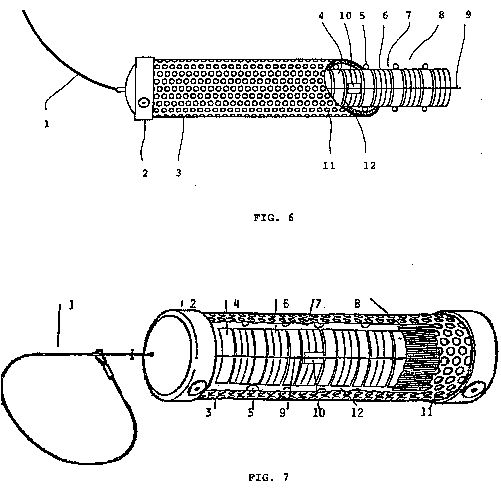
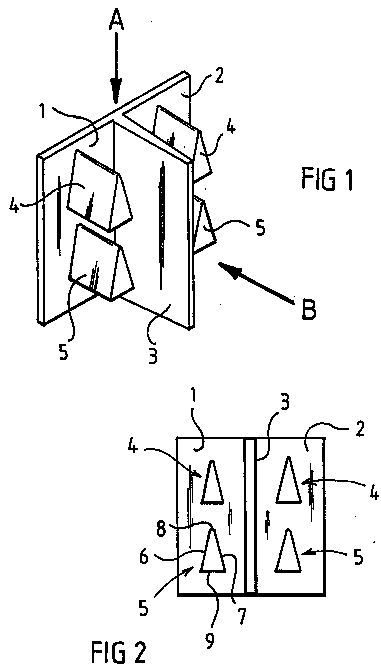
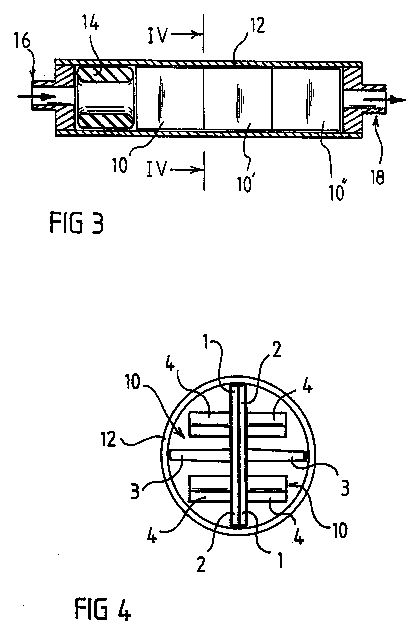
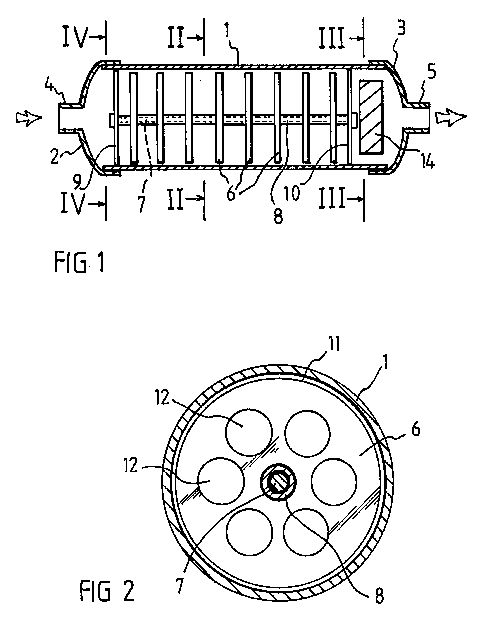
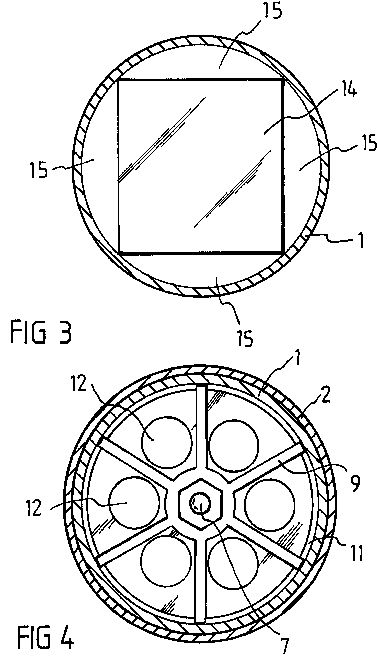
A cylindrical ferrous housing contains a series of alloy discs (tin-based alloy) with apertures and a ferrite magnet. Fuel flows through the discs creating turbulence while the magnetic field polarises the fuel. The design maintains high flow rates and claims a 15 %+ reduction in fuel consumption.
Principles
- Magnetic field influence on fuel
- Turbulence-induced mixing
- Metal trace addition from alloy core
Scientific Domains
Materials
- tin alloy (primarily tin)
- antimony
- mercury
- lead
- platinum (trace)
- ferrous metal housing
- ferrite magnet
Mechanisms of Action
- Magnetic polarisation of hydrocarbons
- Enhanced fuel-core contact via turbulence
- Release of trace metal ions (tin, antimony, mercury, lead, platinum) into fuel
Applications
- Marine engines
- Aircraft engines
- Automotive diesel and petrol engines
Claimed Performance
Fuel consumption reduced by typically 15 % or more without significantly restricting flow.
Experimental Evidence
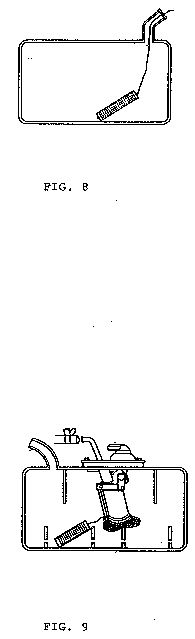
When the device is installed in the fuel line, the fuel consumption of the engine is significantly reduced, typically by 15 % or more.
Limitations
- Exact physical mechanism not fully understood
- Effectiveness may vary with engine size and flow rate
Red Flags
- Use of mercury in the alloy raises environmental and health concerns
- Claims are based on proprietary testing without independent peer-reviewed data