Goal
Generate usable electrical power from very low-head water streams (~=20 cm) for residential and small-scale applications.
Problem
Lack of affordable, low-maintenance renewable electricity sources for homes located near shallow streams or low-gradient rivers.
Concept Summary
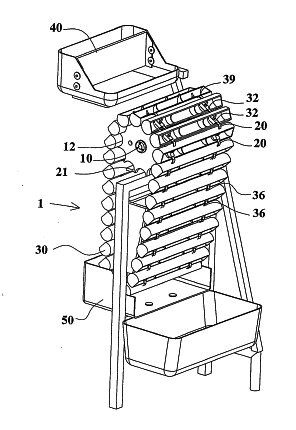
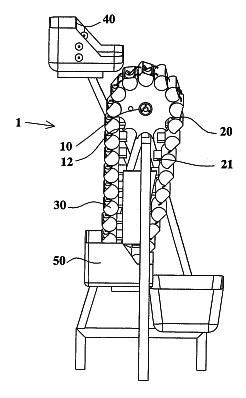
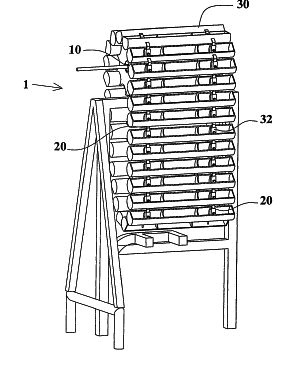
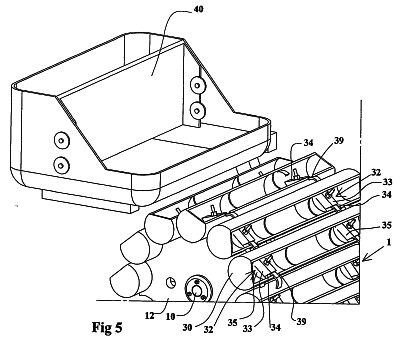
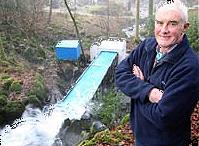
A small, bucket-type water wheel made from recycled food-grade plastic that rotates under the pressure of a shallow water flow. The mechanical rotation drives a generator to produce electricity. The system is designed for heads as low as 20 cm, can be installed in streams or becks, and aims to supply 1-2 kW continuous power with minimal environmental impact.
Principles
- Hydraulic kinetic energy conversion
- Gravity-driven water flow
- Bucket-type water wheel rotation
Scientific Domains
Materials
- Food-grade recycled plastic (yoghurt pot material)
- Metal shaft and bearings
- Generator coils
Mechanisms of Action
- Water flowing over low-head wheel turns a set of revolving buckets
- Rotational mechanical energy is coupled to an electrical generator
- Generated electricity is fed to a house or grid
Energy Sources
Applications
- Residential electricity generation
- Small community or village power supply
- Potential auxiliary uses (drinking water production, air-conditioning)
Claimed Performance
Produces 1-2 kW of power and at least 24 kWh per day; installation cost ~=GBP2 000 with pay-back in ~2 years; could supply >50 000 UK homes if widely deployed.
Experimental Evidence
Prototype operating at the National Trust's St Catherine's site in the Lake District, delivering 1-2 kW continuously and generating ~24 kWh per day.
Replication Status
Prototype demonstrated; no commercial scale-up reported in the article.
Limitations
- Requires a minimum water flow rate and head (~20 cm)
- Initial installation cost (~GBP2 000)
- Performance depends on seasonal water availability