Goal
Provide clean, emission-free heat on demand by inducing low-energy nuclear reactions in a solid lattice, thereby reducing reliance on fossil fuels.
Problem
Fossil-fuel emissions, combustion-related costs, and the need for efficient, low-cost thermal energy generation.
Concept Summary
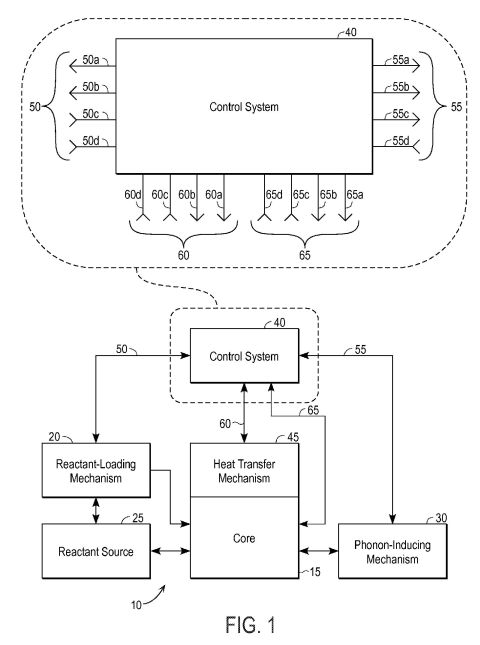
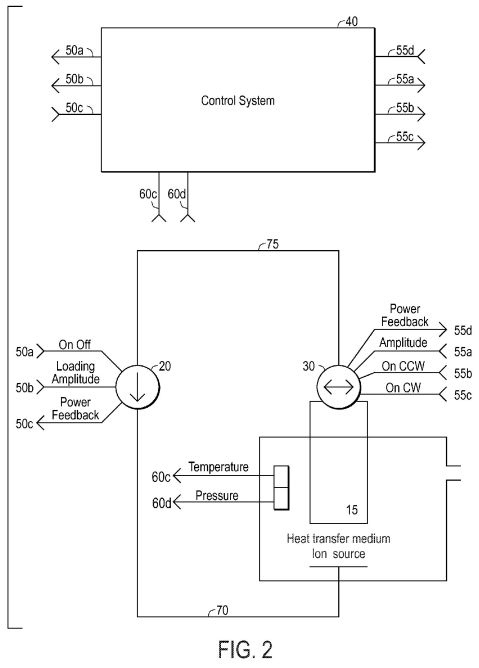
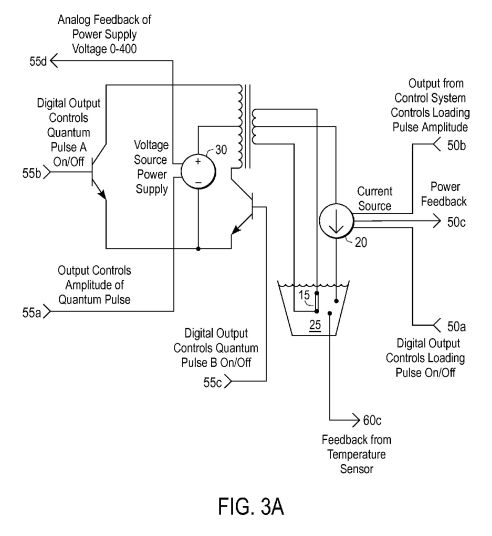
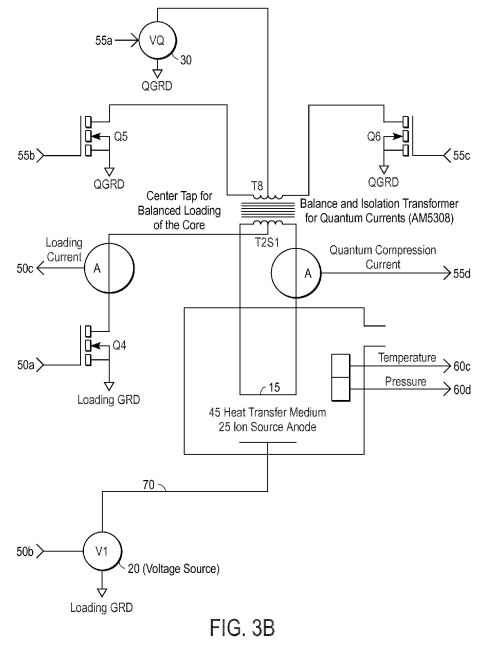
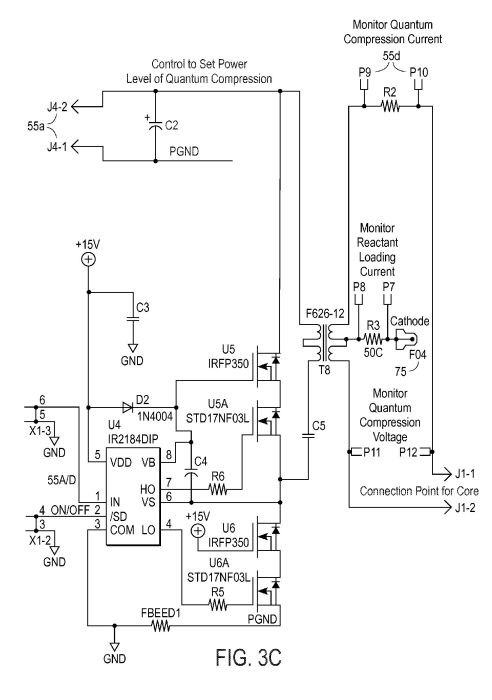
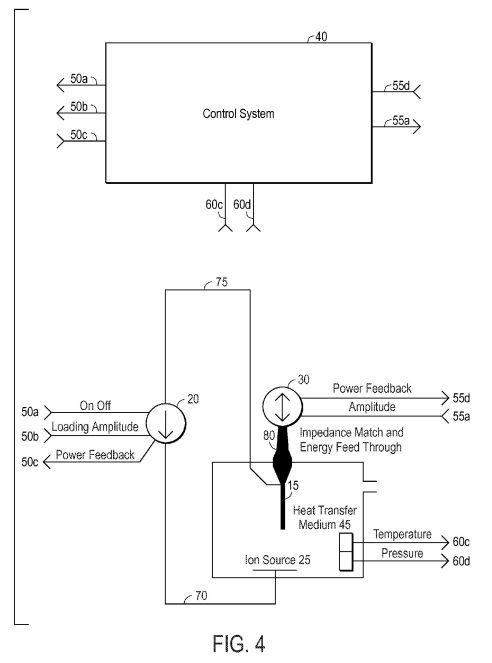
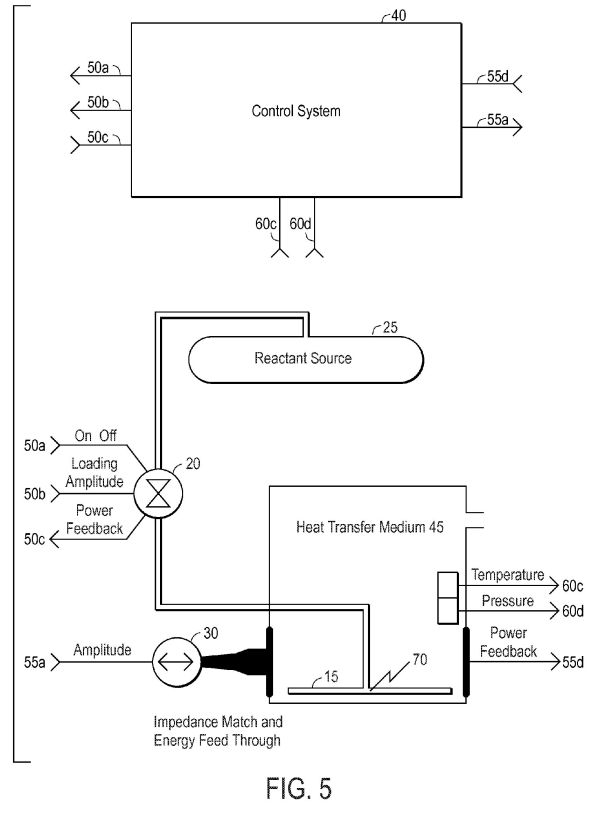
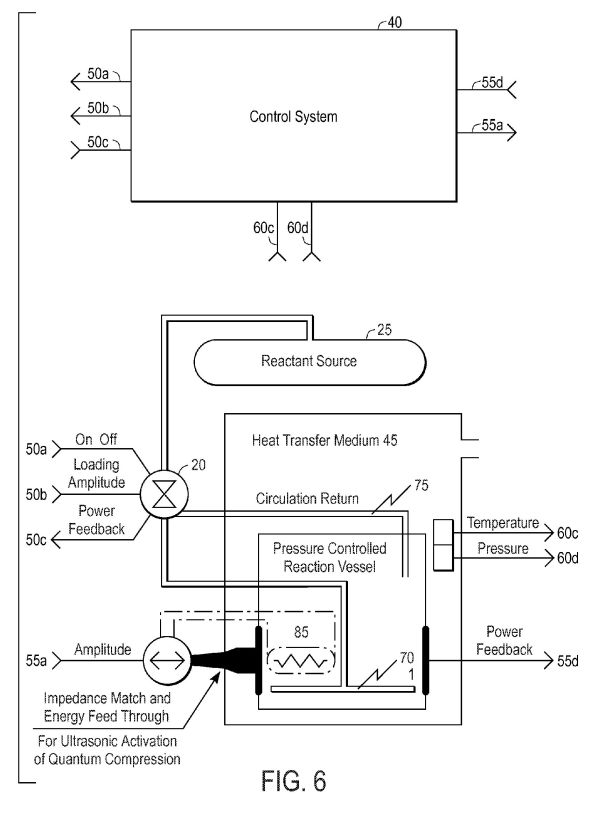
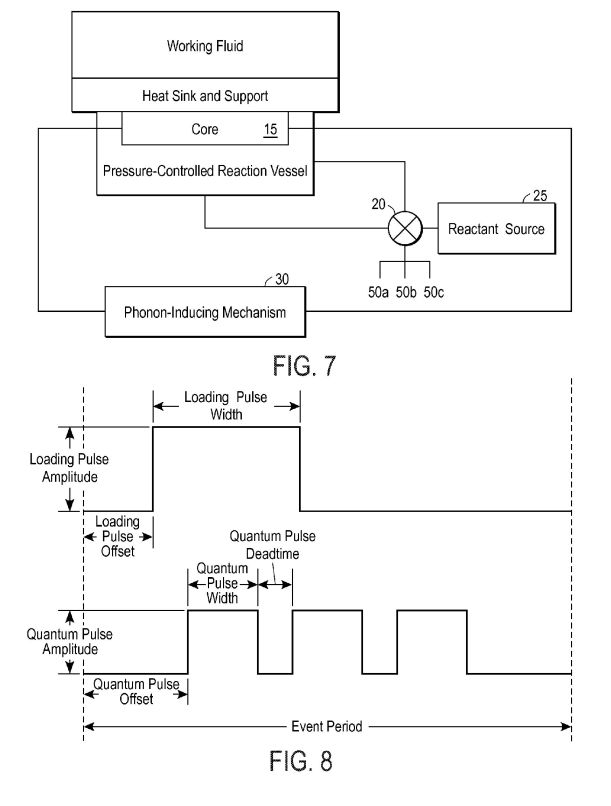
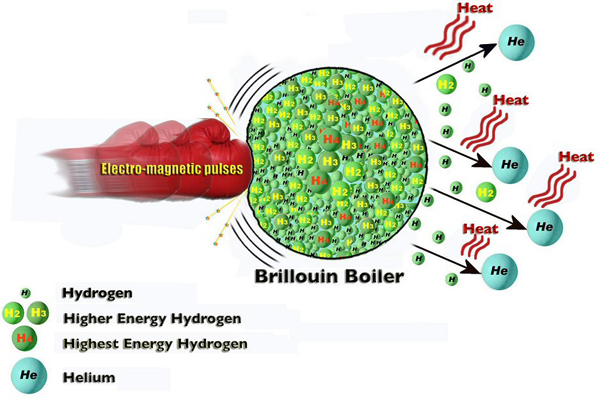
Brillouin Energy uses a proprietary electronic pulse generator ("Q-pulses") to stimulate proton-electron capture in a metal lattice (nickel or palladium). The pulses convert some protons into neutrons, which are then captured by surrounding nuclei, releasing heat. The process is controlled by phonon stimulation and regulated loading of hydrogen nuclei, allowing the heat to be harvested without destroying the lattice.
Principles
- Phonon-moderated nuclear reactions
- Proton-electron capture
- Electronic Q-pulse stimulation
Scientific Domains
Materials
- Nickel
- Palladium wire
- Water (H_2O)
- Hydrogen (as ions)
- Distilled water
Mechanisms of Action
- Induction of phonons in a metal lattice
- Conversion of protons to neutrons via electronic pulses
- Neutron capture by surrounding nuclei producing heat
Energy Sources
Applications
- Hot water/steam boilers for space heating
- Marine power generation
- Desalination
- Industrial heat supply
Claimed Performance
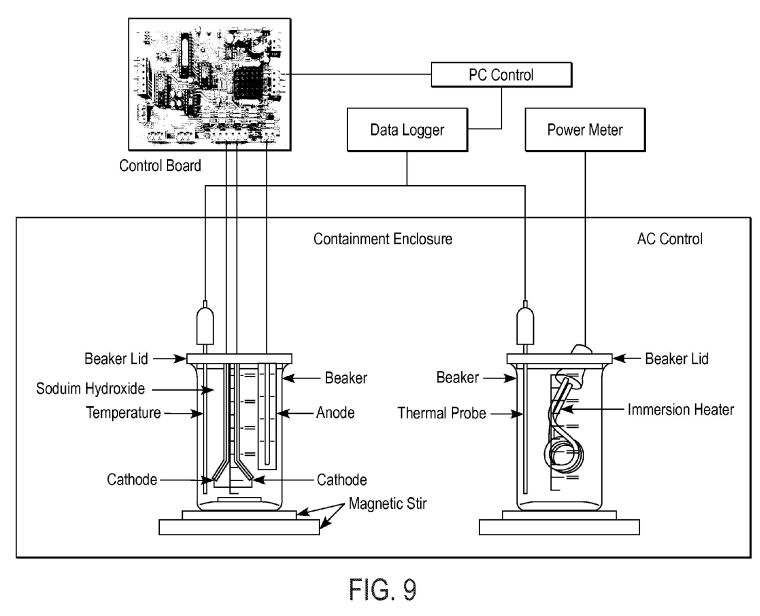
Early open-beaker test reported excess heat up to 45 %; later pressurized nickel-hydrogen system reported excess heat > 100 % (Phase 2 data).
Experimental Evidence
Open beaker test using palladium wire and distilled water achieved up to 45 % excess heat; a pressurized nickel-hydrogen cell generated excess heat greater than 100 % in February of the reported year.
Replication Status
Company claims internal data and a pending verification report from Los Alamos National Laboratory; no independent third-party replication documented.
Limitations
- Lack of peer-reviewed, independent replication
- Scalability and long-term lattice stability not demonstrated
- Reliance on proprietary pulse technology not disclosed
Red Flags
- Claims of over-unity without peer-reviewed data
- Patent pending with limited public disclosure
- Reliance on anecdotal investor interest