Goal
Greatly reduce fuel consumption of internal combustion engines by producing a more uniform vapor-fuel mixture.
Problem
Excess fuel waste and poor fuel-air mixing in conventional carburettors, leading to low mileage and carbon deposits.
Concept Summary
A carburettor-type apparatus that atomises fuel, passes the mixture through fabric-lined absorbent conduits, and uses engine vacuum to separate light volatile hydrocarbons (which stay in the air stream) from heavier ones (which are captured by the absorbent material). The result is a uniform vapor-fuel mixture with far less unburned fuel.
Detailed Description
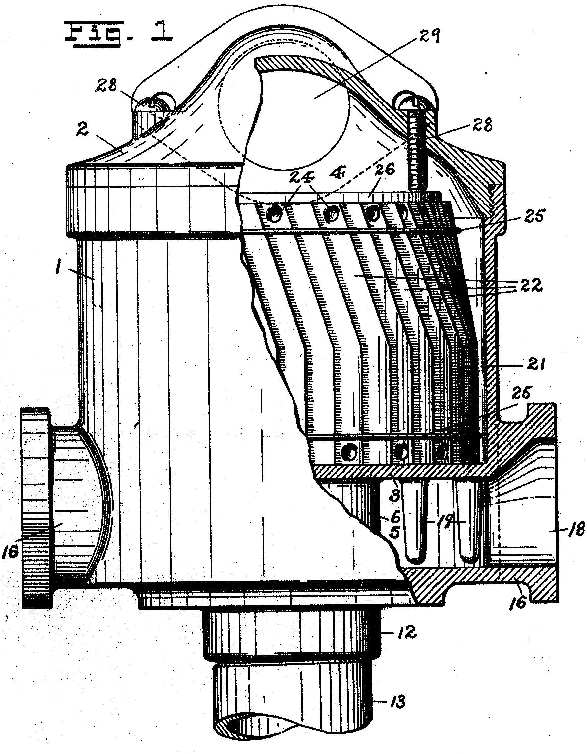
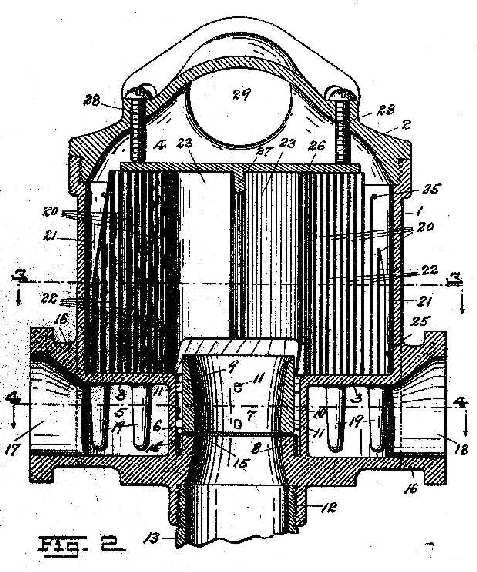
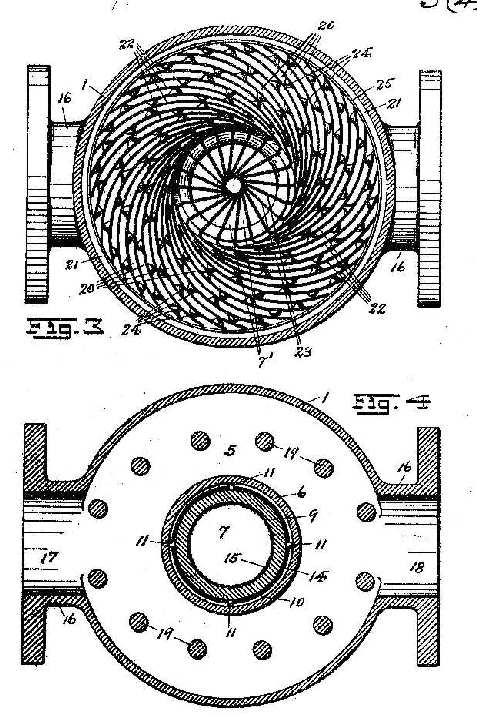
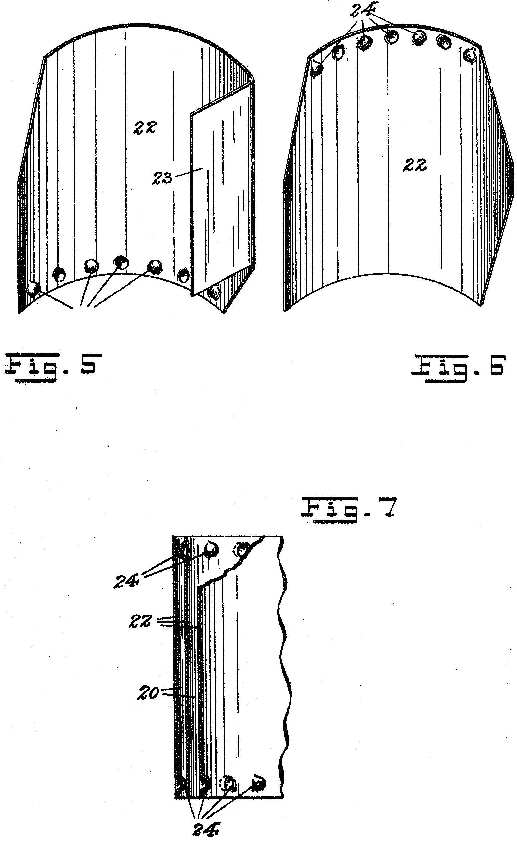
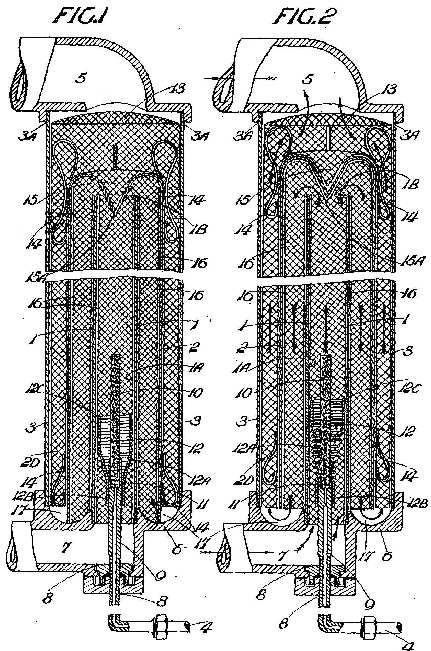
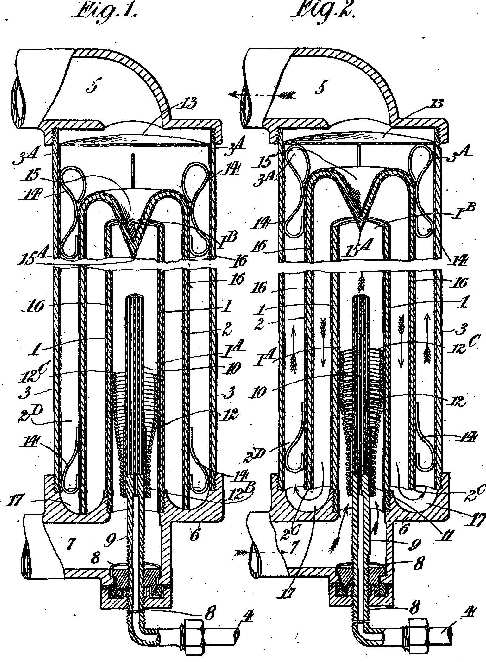
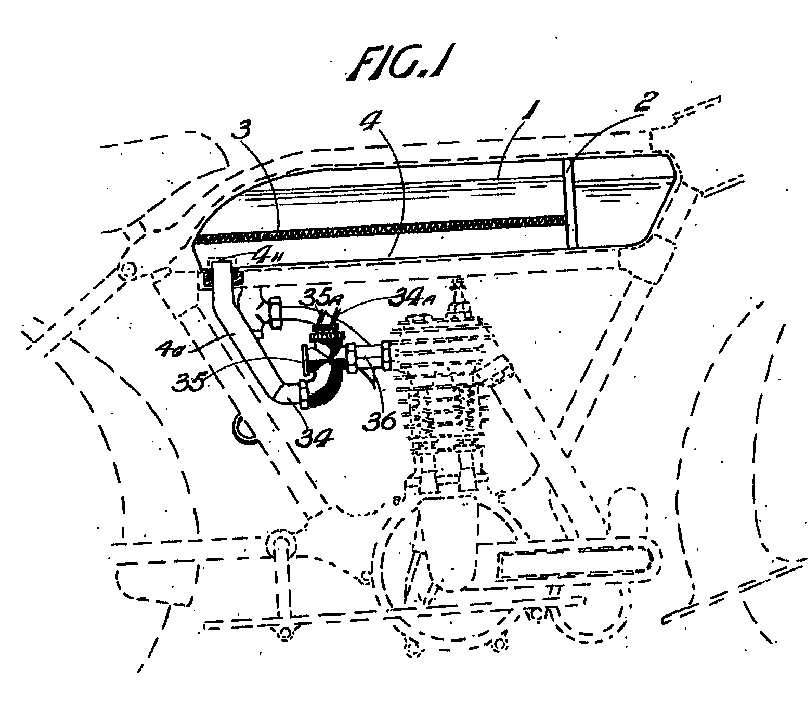
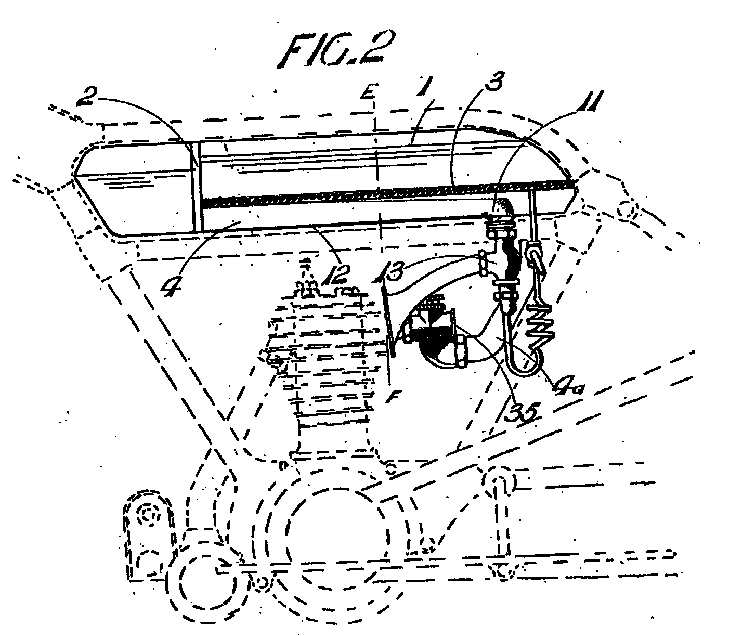
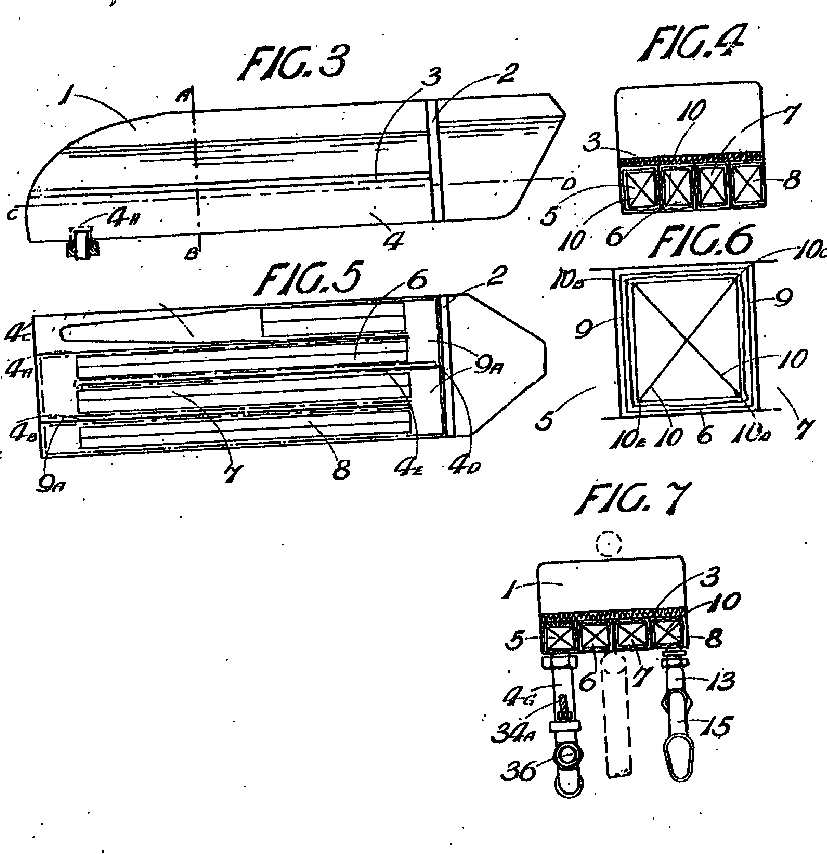
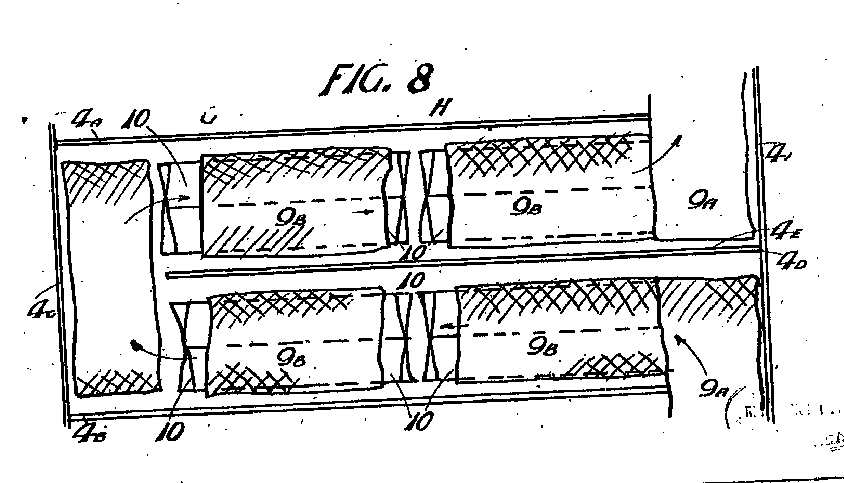
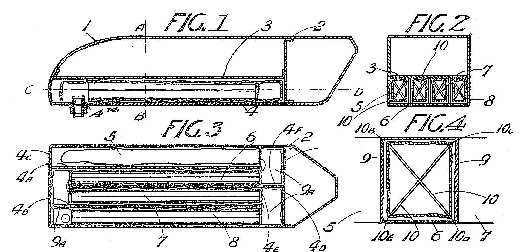
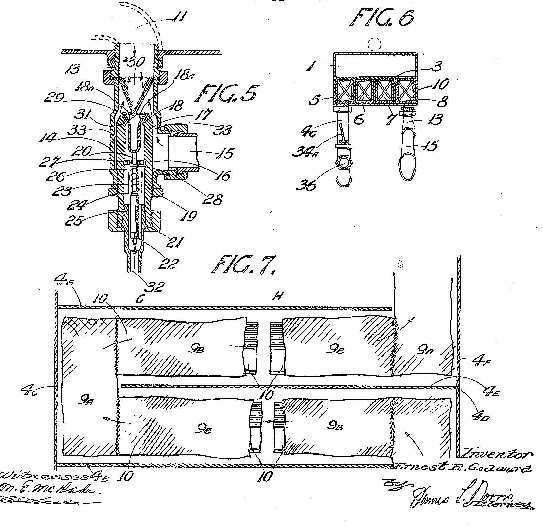
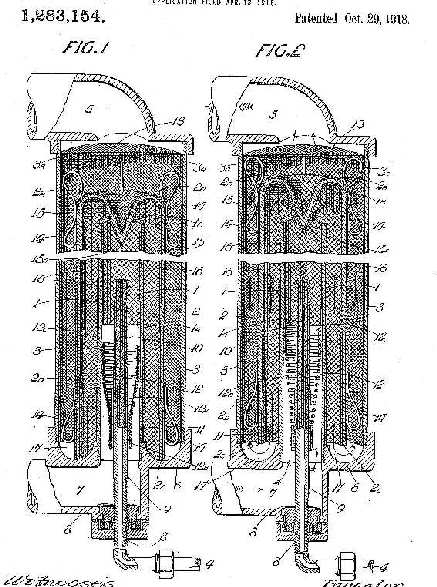
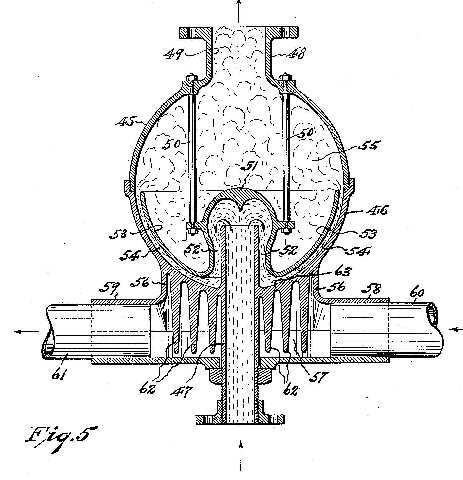
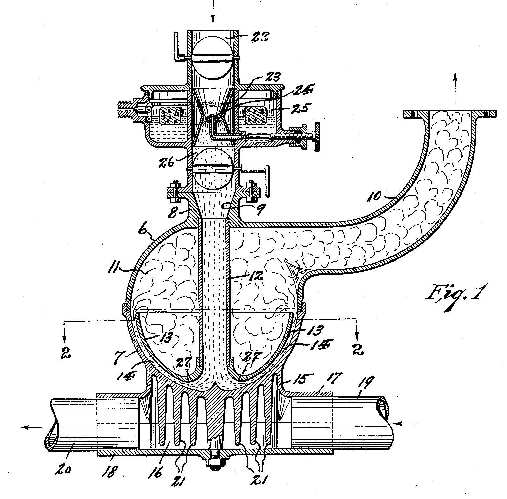
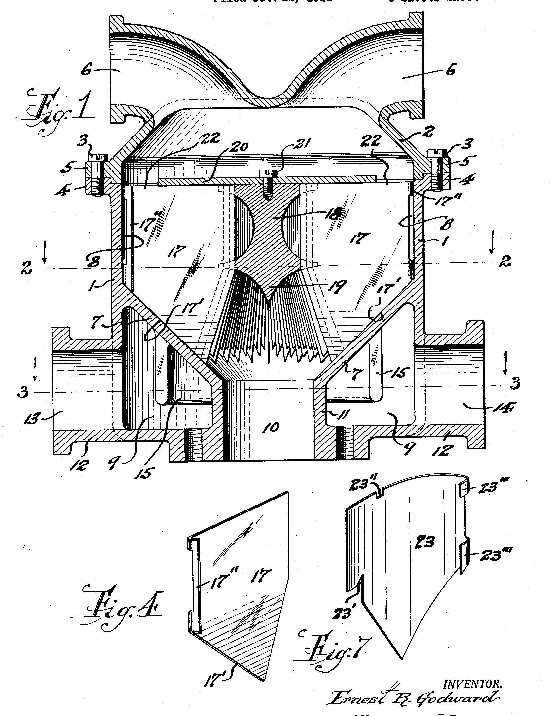
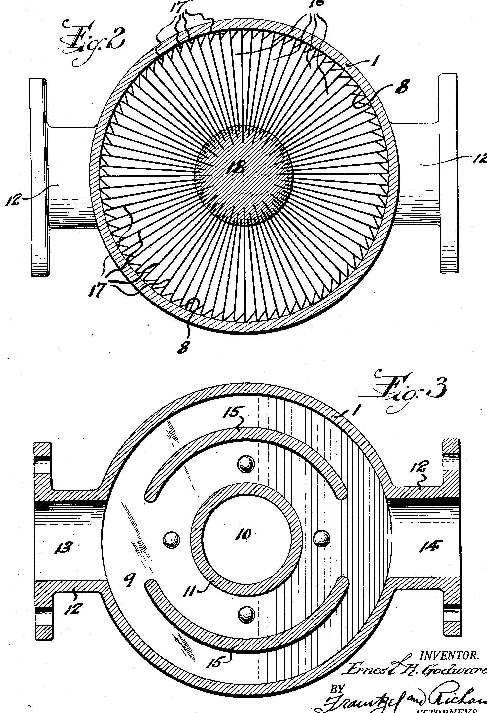
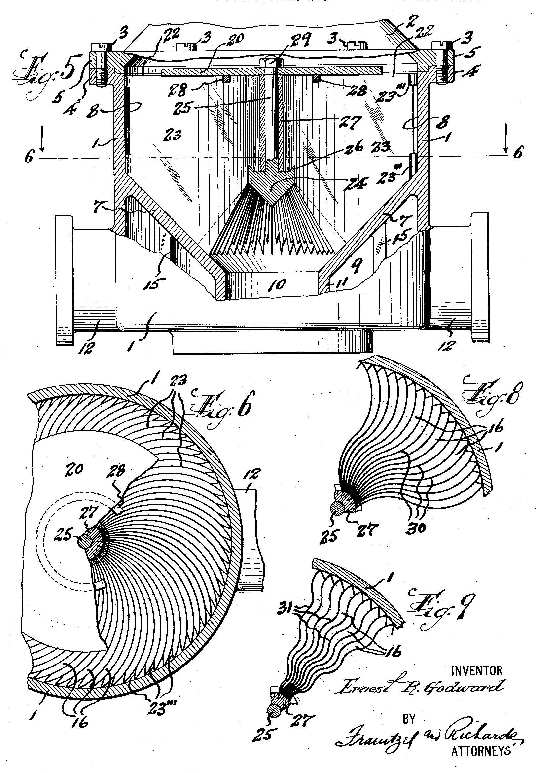
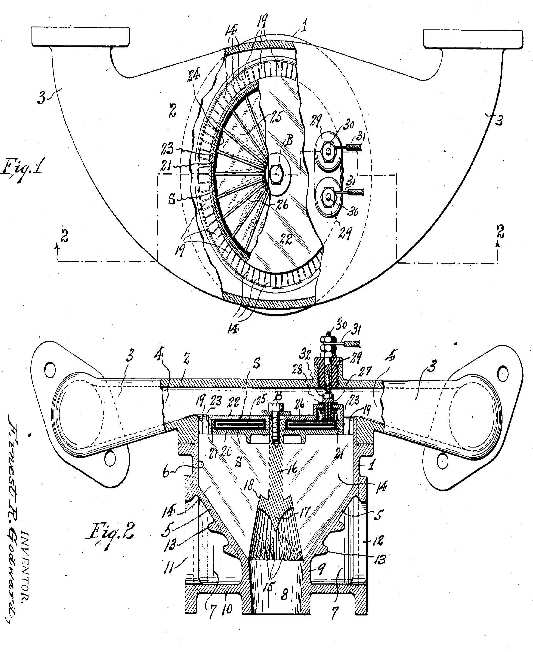
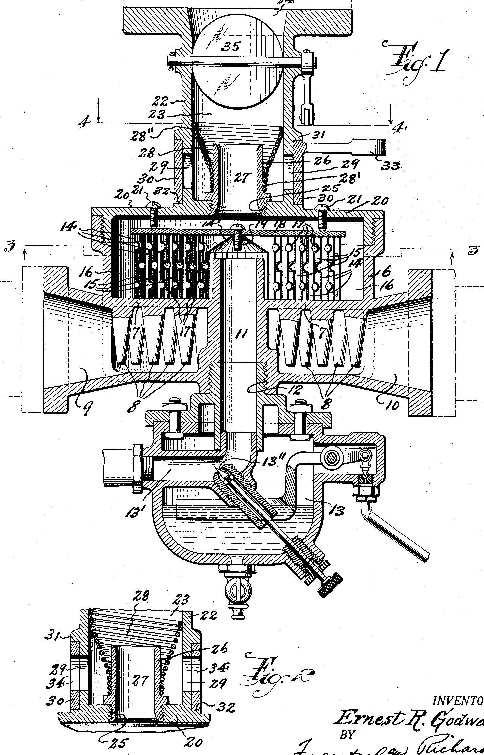
The invention consists of a standard petrol tank feeding a spray carburetting device. The fuel-air mixture then travels through a series of metal conduits lined with Turkish towelling (fabric). The fabric acts as an absorbent medium: lighter hydrocarbons are carried by the air vacuum while heavier hydrocarbons are retained in the fabric until enough air passes to draw them into the stream. An X-shaped metal bar holds the fabric stretched inside the conduits. The mixture exits through a gauze-capped outlet and passes a throttle and auxiliary air inlet before entering the engine cylinder. Tests on a 21/2 hp torpedo motorcycle showed 457 mpg on petrol and 266 mpg on kerosene, with the ignition plug free of carbon after the run.
Principles
- Atomisation of liquid fuel
- Absorption of excess fuel by a porous material
- Engine-induced vacuum suction
- Air-fuel mixture homogenisation
Scientific Domains
Materials
- Petrol
- Kerosene
- Turkish towelling (fabric)
- Metal (X-shaped bars, conduits)
- Gauze
Mechanisms of Action
- Fuel is sprayed into fine droplets
- Droplets pass through fabric-lined conduits where heavier liquids are retained
- Engine suction draws air through the fabric, pulling retained fuel into the a stream
- Resulting mixture is uniformly vaporised before entering the cylinder
Energy Sources
Applications
- Motorcycle engines
- Small gasoline engines
- Any internal combustion engine seeking higher fuel economy
Claimed Performance
457 mpg on petrol (3.5 oz used over 10 mi) and 266 mpg on kerosene (3 oz used over 5 mi). Plug free of carbon deposits after the test.
Experimental Evidence
A 21/2 hp torpedo motorcycle ran 10 mi at ~22 mph using 3.5 oz petrol (~=457 mpg) and 5 mi at ~26 mph using 3 oz kerosene (~=266 mpg). The ignition plug showed no carbon buildup.
Replication Status
Single test reported; no independent replication mentioned.
Limitations
- Evidence based on a single short-duration test
- No data on long-term durability or maintenance
- Performance may depend on wind or airflow conditions
- Not validated on modern fuel-injection engines
Red Flags
- Extraordinary mileage claims without independent verification
- Lack of peer-reviewed data or third-party testing
- Potential for bias in the original report