Goal
Provide a smooth, eco-friendly transmission with higher efficiency, increased vehicle mileage, and an infinite number of gear ratios.
Problem
Inefficiency and complexity of conventional automatic transmissions, loss of power due to torque converters, limited gear ratios, and associated fuel consumption and emissions.
Concept Summary
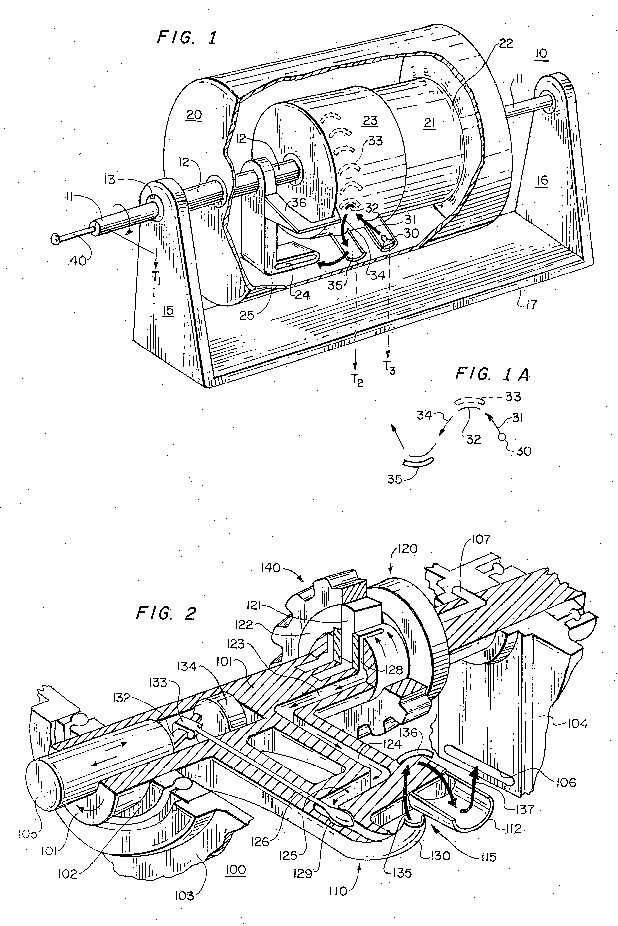
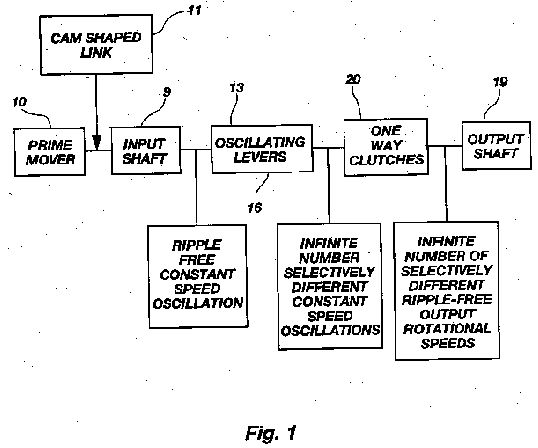
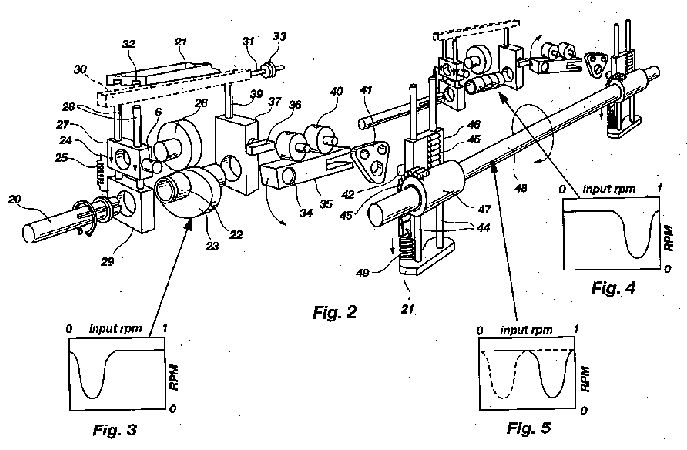
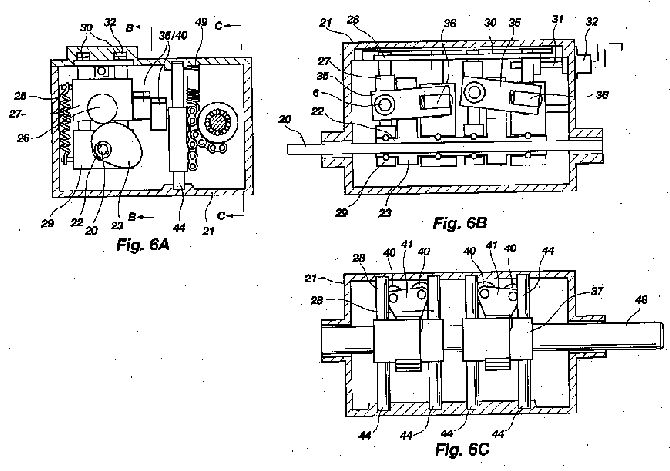
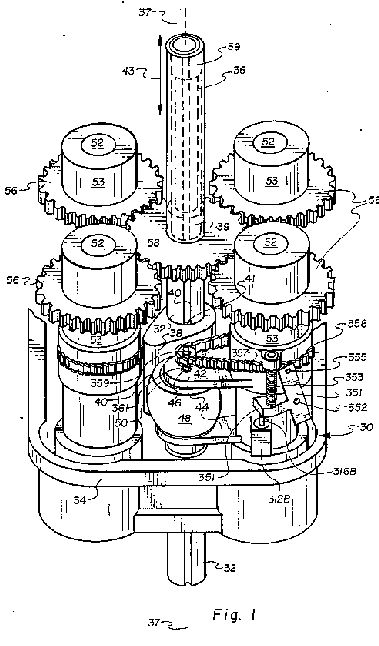
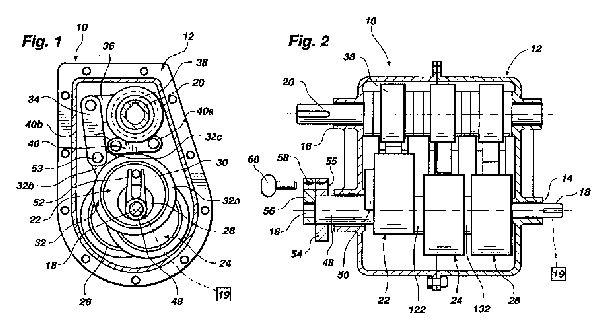
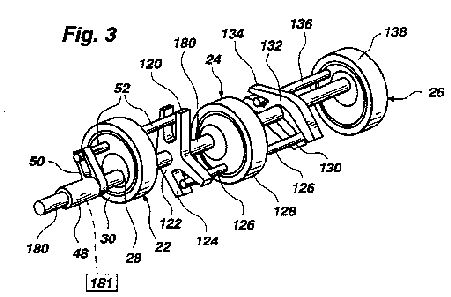
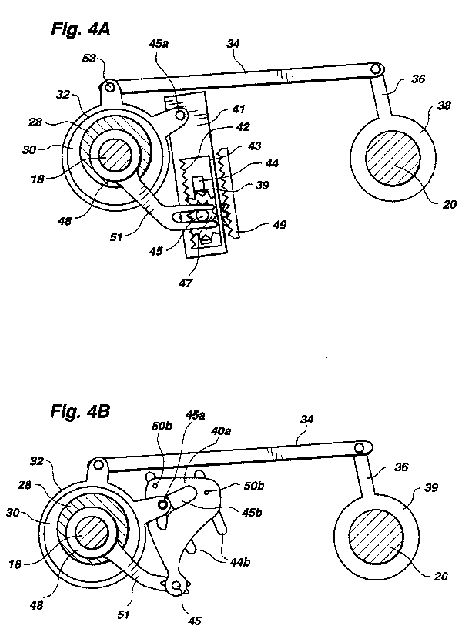
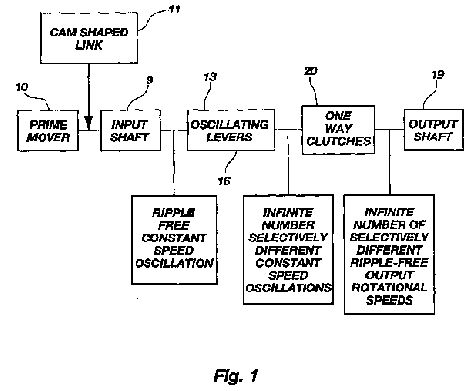
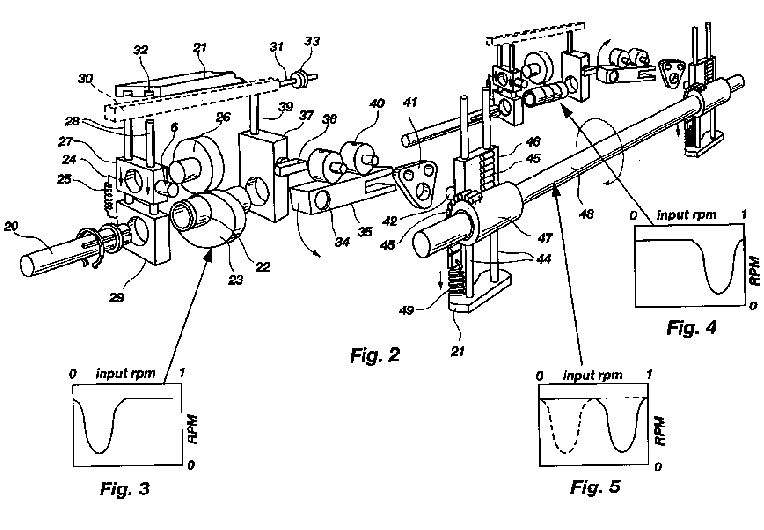
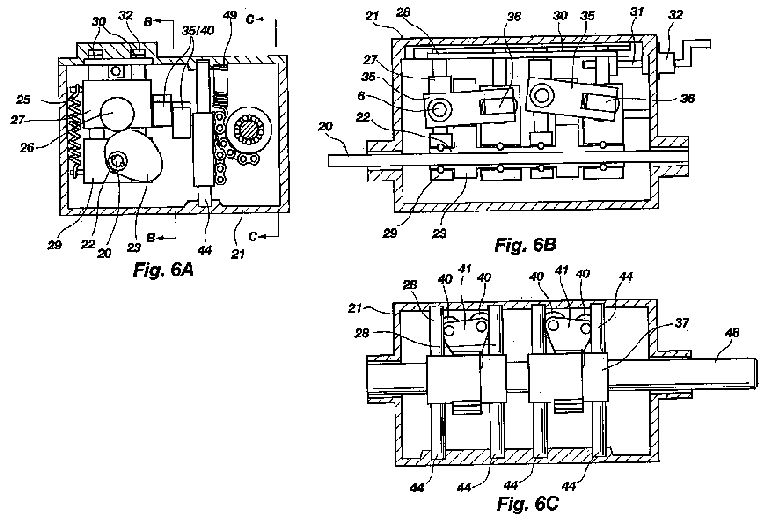
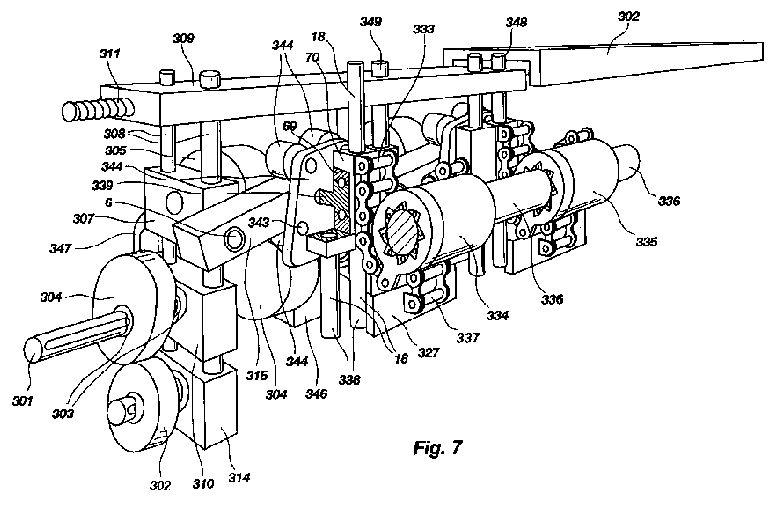
A cam-based, mechanically driven transmission that uses two identical cams 180 deg apart on the input shaft, oscillating levers, rack-gear power take-offs and one-way clutches to deliver ripple-free, infinitely variable output speeds and torque multiplication with claimed 95 % efficiency.
Detailed Description
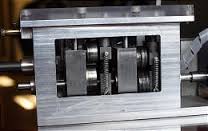
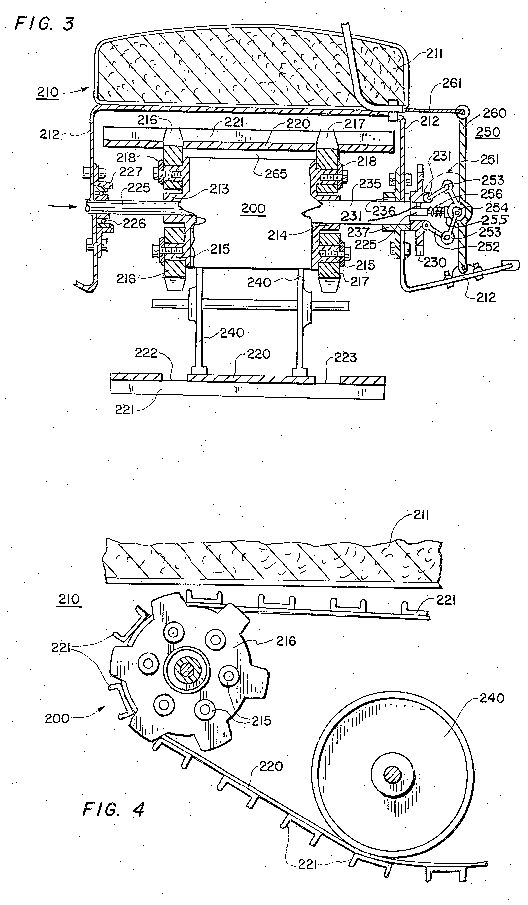
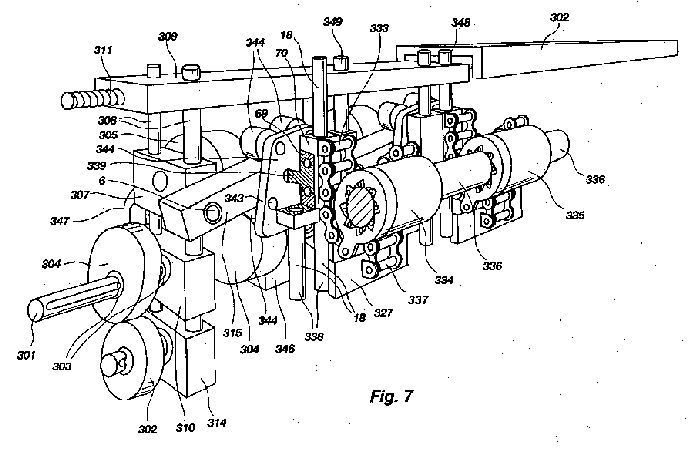
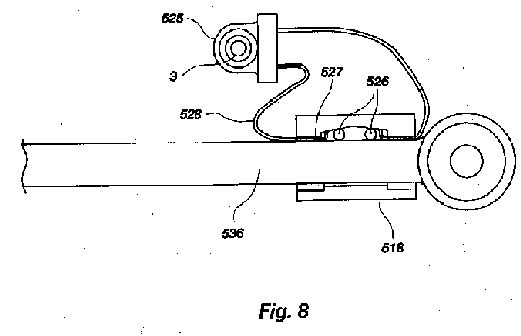
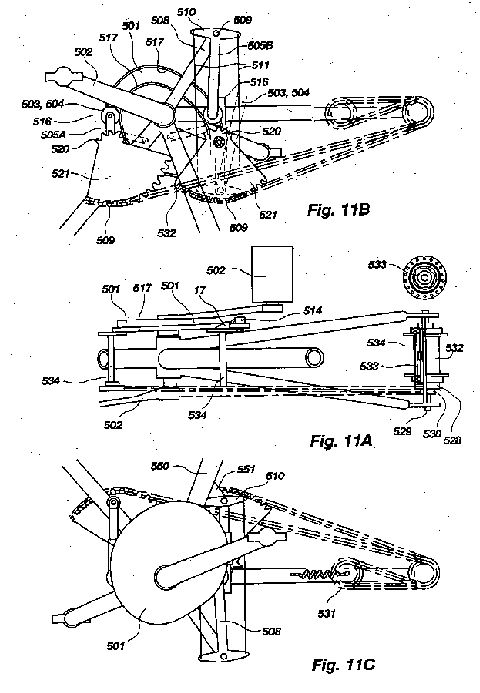
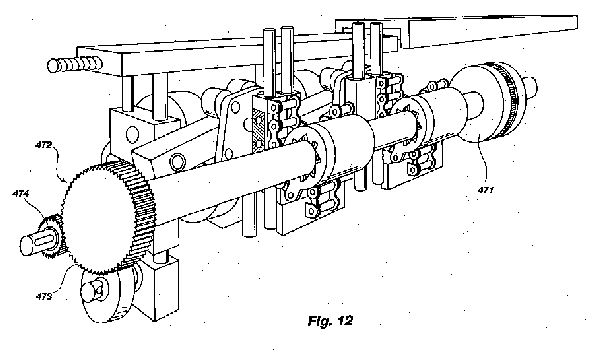
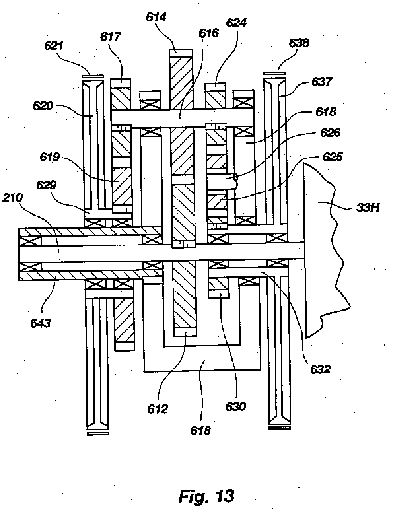
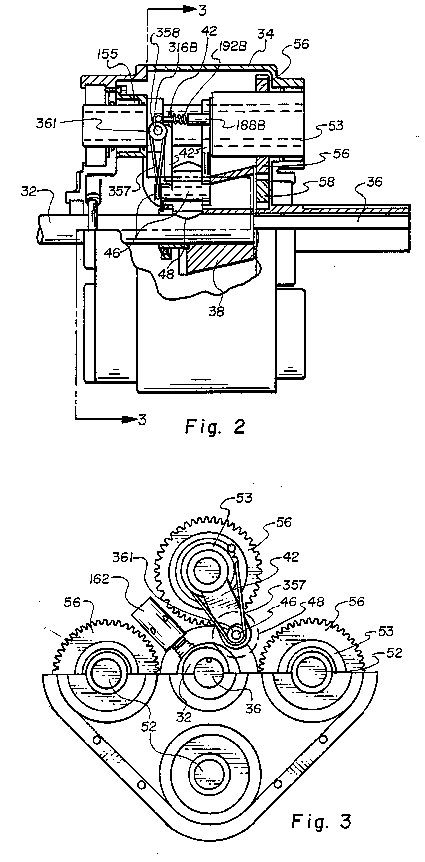
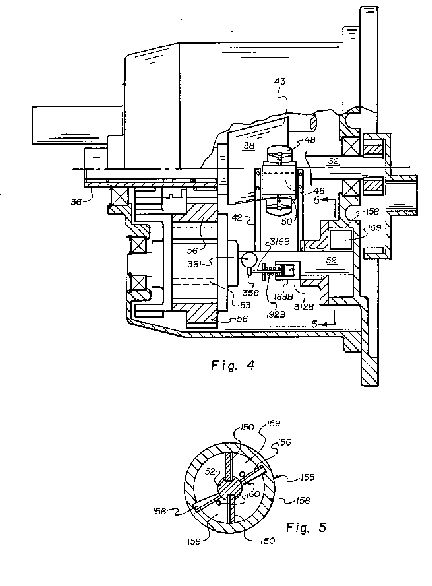
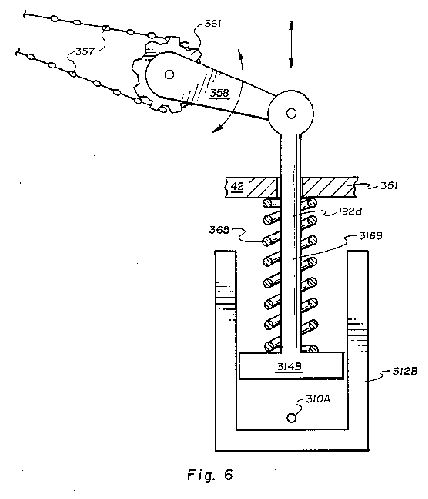
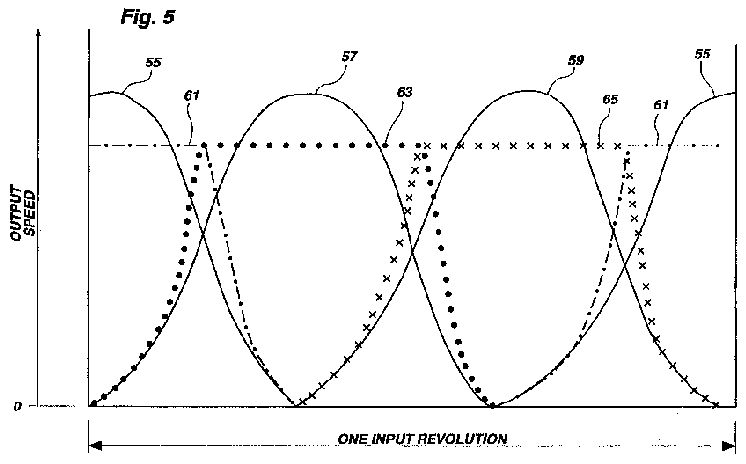
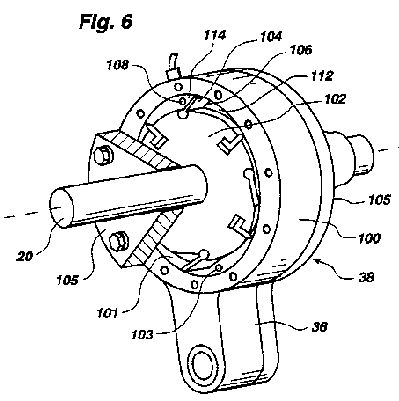
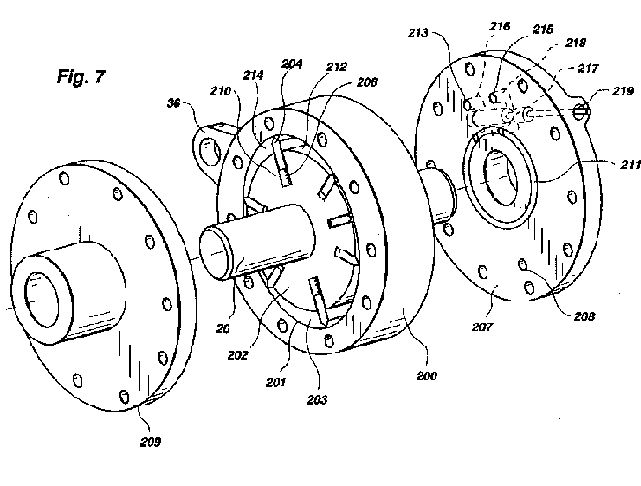
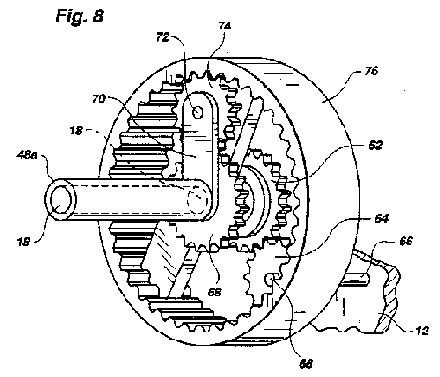
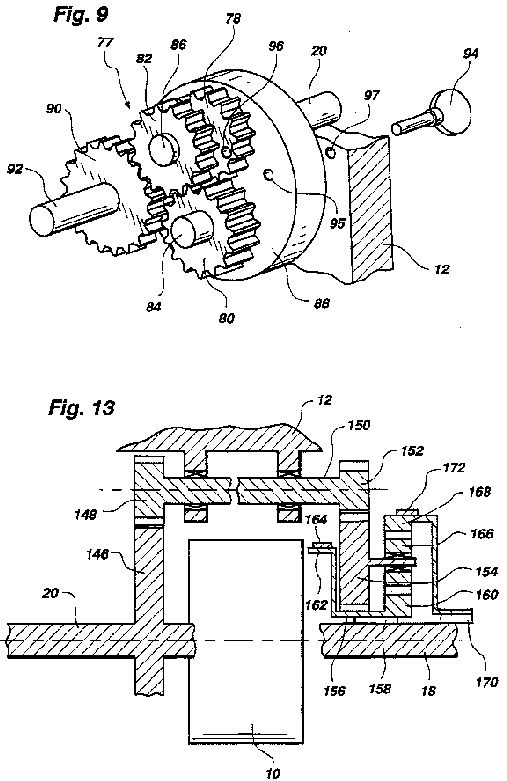
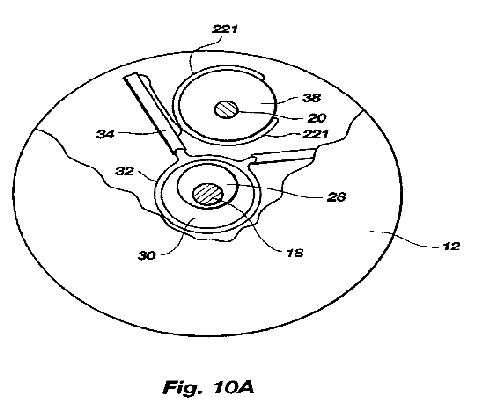
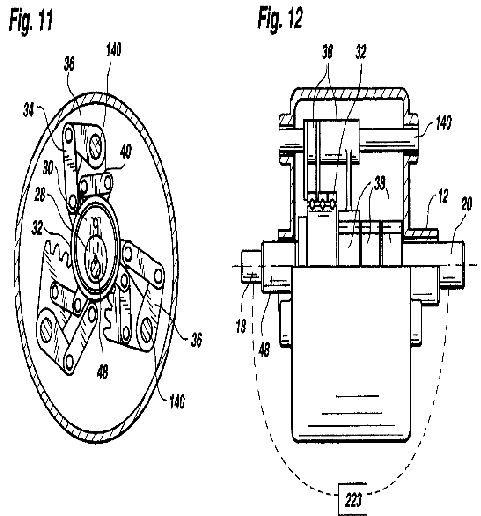
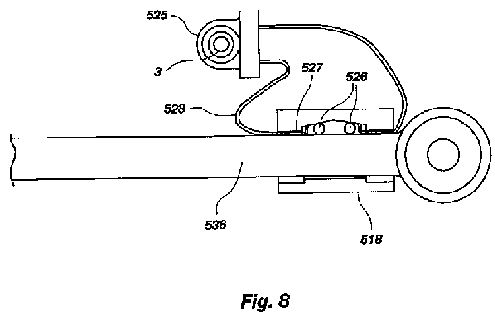
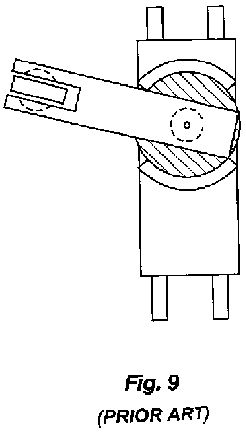
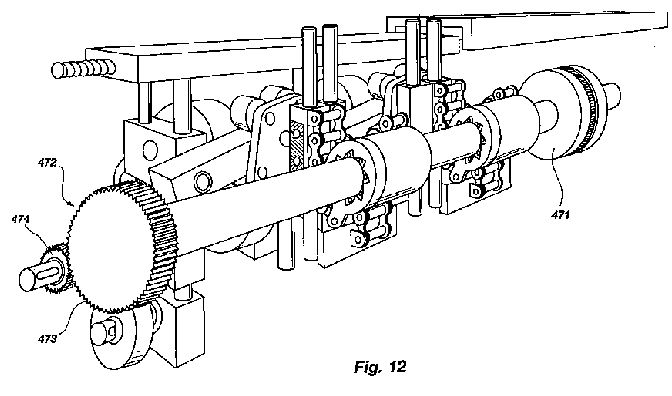
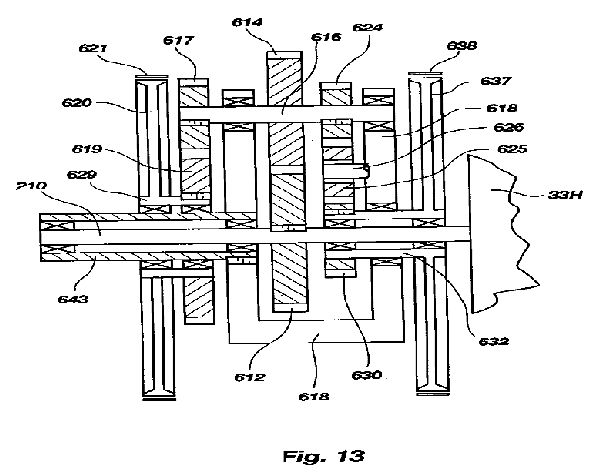
The Infinity Transmission consists of an input shaft with a pair of oscillating levers driven by two cams positioned opposite each other. The first cam pair drives the output shaft, while the second pair provides engine braking. Output speed is varied by moving a rack gear's power take-off along cam-driven oscillating levers; when the PTO is at a pivot point the output speed is zero, allowing theoretically infinite gear ratios. The design eliminates the need for torque converters, coolant systems, and other components that cause power loss in conventional automatic gearboxes. Various embodiments include self-locking, self-powered power take-offs, spring-biased cam followers, rollers, and rack-and-pinion drives to maintain continuous contact and ripple-free operation.
Principles
- Cam geometry for variable throw
- Oscillating lever conversion of rotary motion
- One-way clutch power flow control
- Rack-gear power take-off for ratio adjustment
- Spring-biased cam follower contact
Scientific Domains
Materials
- steel
- aluminum
- hardened steel
Mechanisms of Action
- Rotational input drives cams
- Cams cause linear oscillation of levers
- Variable throw changes lever displacement
- Rack gear moves along lever to alter output speed
- One-way clutches transmit torque to output shaft
Energy Sources
Applications
- Automotive vehicles
- Motorcycles
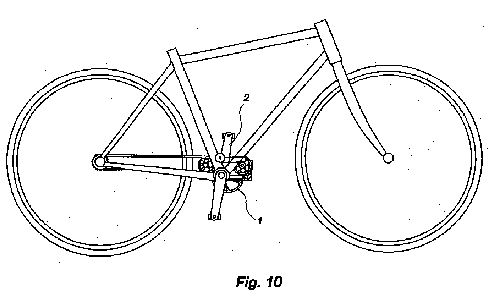
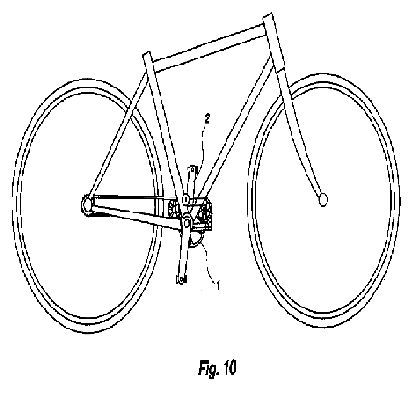
- Bicycles
- Helicopters
- Industrial machinery
- Blenders
Claimed Performance
95 % transmission efficiency; vehicle mileage increase from 20 mpg to 30 mpg; ripple-free output; infinite number of gear ratios.
Experimental Evidence
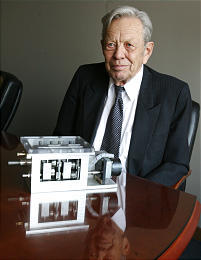
Prototype built after 35 years of development; claimed 95 % efficiency and mileage improvement in testing; demonstrated ripple-free operation and infinite ratio capability in bench tests.
Limitations
- Requires precise cam and gear manufacturing
- Long-term durability not demonstrated
- Scalability to high-power applications unproven
Red Flags
- Efficiency and mileage claims lack independent verification
- Statement of "infinite gear ratios" is theoretical
- No peer-reviewed data or third-party testing reported