Goal
Provide a low-cost, chemical-free, non-thermal method to preserve milk by killing microorganisms without continuous electricity.
Problem
Pathogen growth in milk and the lack of reliable refrigeration or electricity in low-income rural areas.
Concept Summary
A milk-preservation system that applies intermittent square-wave pulsed electric fields (~=12.5 kV cm^-^1, 0.5 Hz) to milk, achieving microbial kill-off while powered by a small solar panel array, thus eliminating the need for refrigeration or chemical preservatives.
Detailed Description
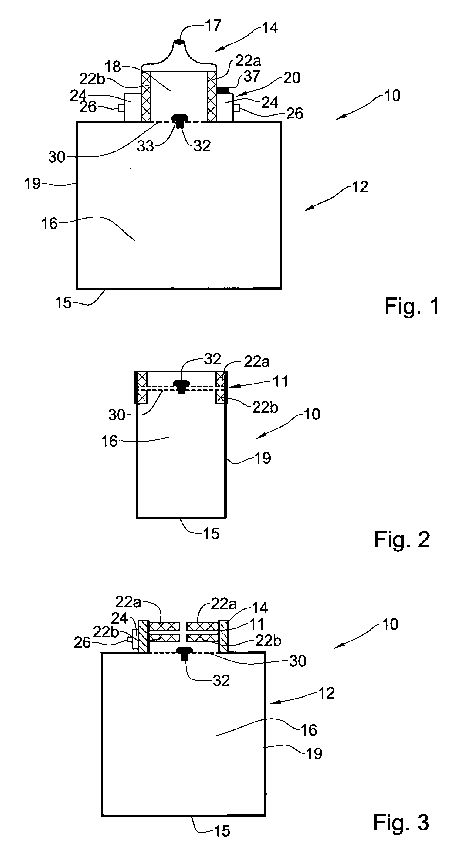
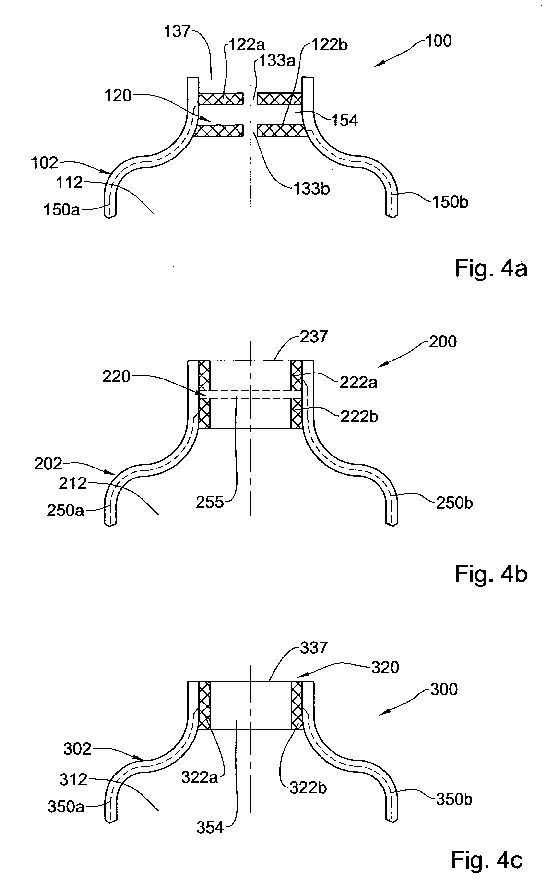
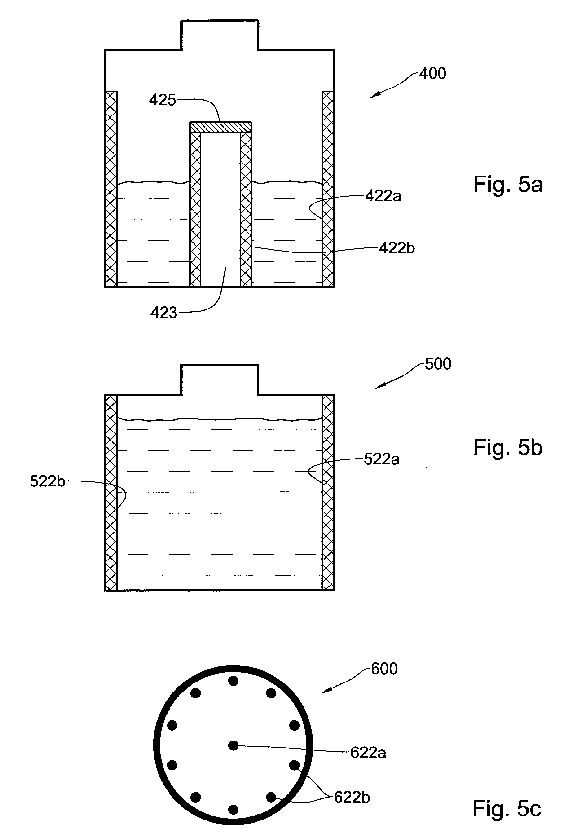
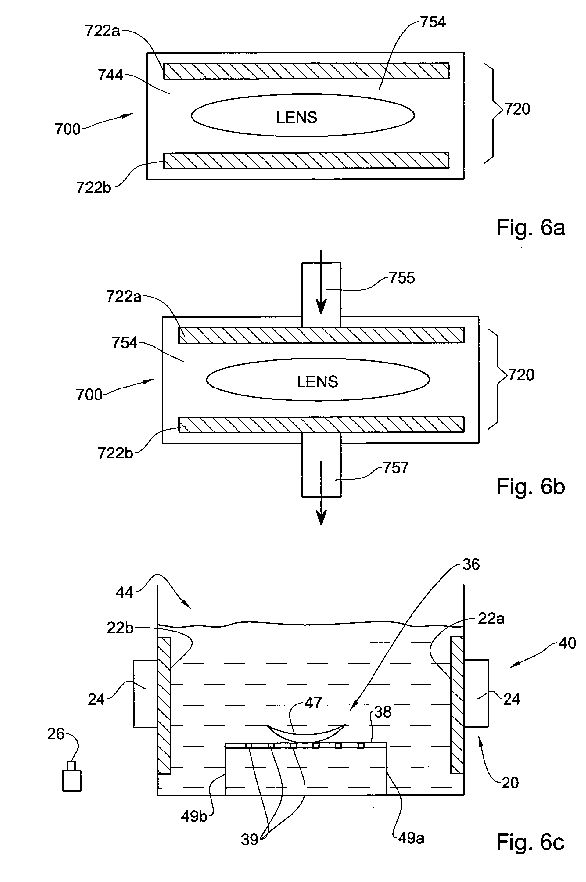
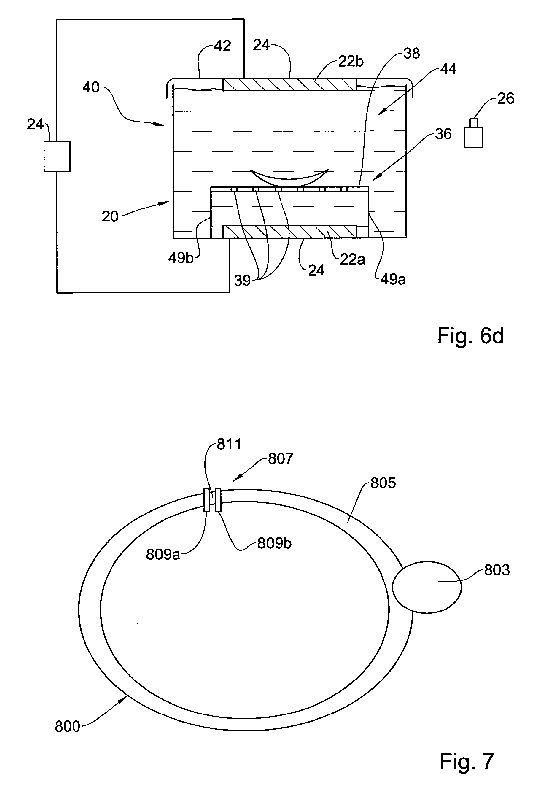
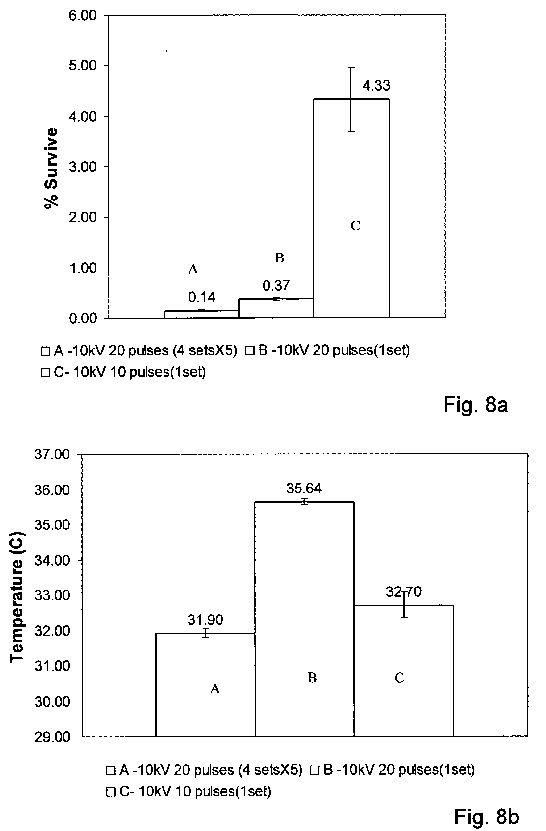
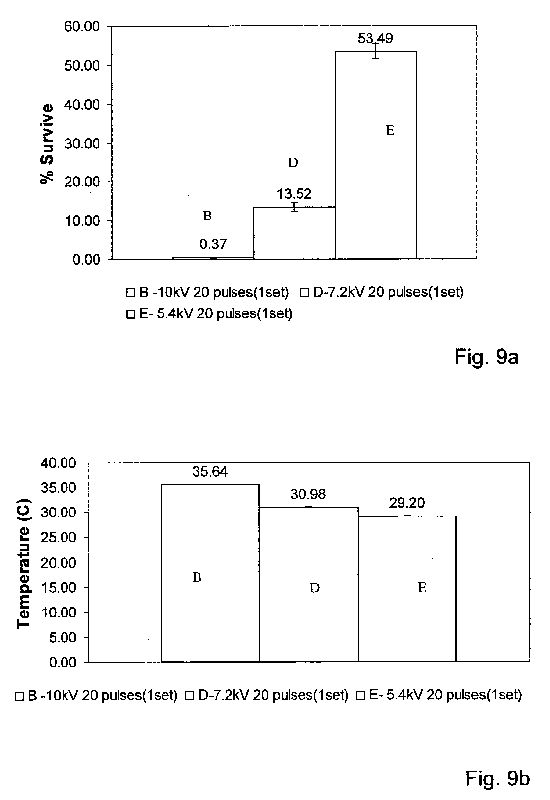
The system uses two sequences of 10 square-wave pulses (50 us each) delivered every 1.5 h at 0.5 Hz, with a 1 min pause between sequences. In laboratory tests at 32 deg C, untreated milk showed Listeria monocytogenes densities of ~10^7-10^8 CFU ml^-^1 after 12 h, whereas IDPEF-treated milk reduced counts to ~10^2-10^5 CFU ml^-^1. Energy for the pulses is supplied by a 2 kW solar panel operating ~5.5 h per day, stored in a small-scale battery. The apparatus consists of a container with internal electrodes connected to a high-voltage pulse generator.
Principles
- Pulsed electric field (PEF) microbial inactivation
- Non-thermal pasteurization
- Intermittent pulse delivery to reduce energy consumption
Scientific Domains
Materials
- Milk
- Electrode plates (conductive metal)
- High-voltage pulse generator components
Mechanisms of Action
- High electric field induces electroporation and membrane rupture of microorganisms
- Electrical breakdown of cell membranes leads to cell death
Energy Sources
Applications
- Milk preservation in rural, low-electricity settings
- Extension to other liquid foodstuffs
Claimed Performance
L. monocytogenes density reduced from ~10^7-10^8 CFU ml^-^1 to ~10^2-10^5 CFU ml^-^1 after 12 h of treatment; system operates on 5.5 h/day solar power.
Experimental Evidence
Laboratory experiments at 32 deg C demonstrated the above microbial reductions using the described pulse protocol; energy requirement compatible with a 2 kW solar array.
Limitations
- Requires a solar panel and battery system
- Effectiveness demonstrated only in laboratory conditions
- Equipment cost and maintenance not fully addressed